

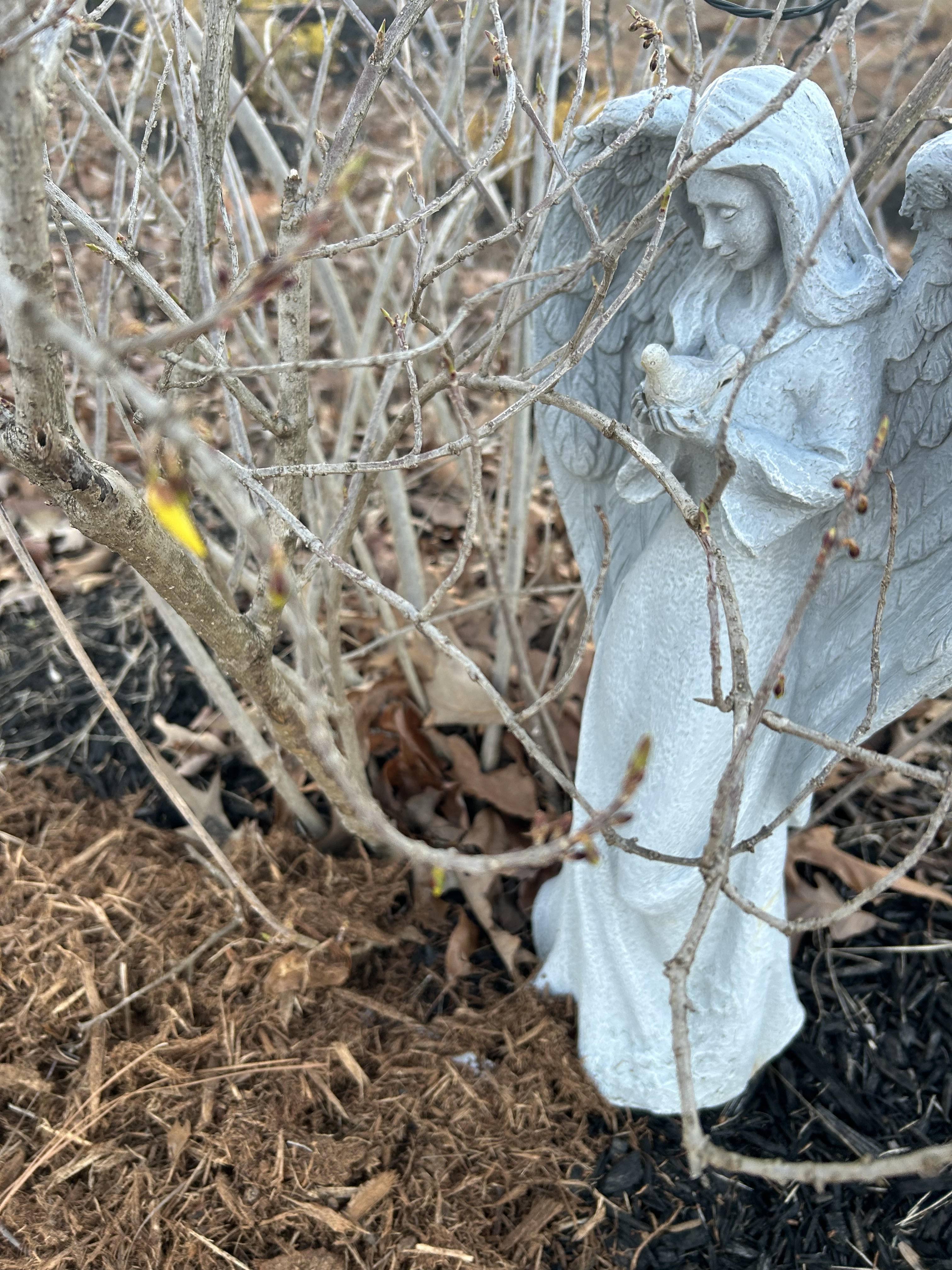
It drove my second grade teacher, Mrs. Rewis, crazy if a student said, “a hundred” or “a thousand” because these weren’t precise numbers. A student could say, “one hundred,” and this is accurate.
But some stories don’t possess an exact number:
The number of times I cried after Corrie died … The number of times I worried and feared for our son, diagnosed with autism 1 at age 5 … The number of times I worried for my mother’s health … The times I saw my husband trip thinking he’d fall again only to find him laughing, teasing my anxiety, and stronger than he’s been in five years …
and the number of times I expressed no interest in gardening or yard work to my father before May 2020.
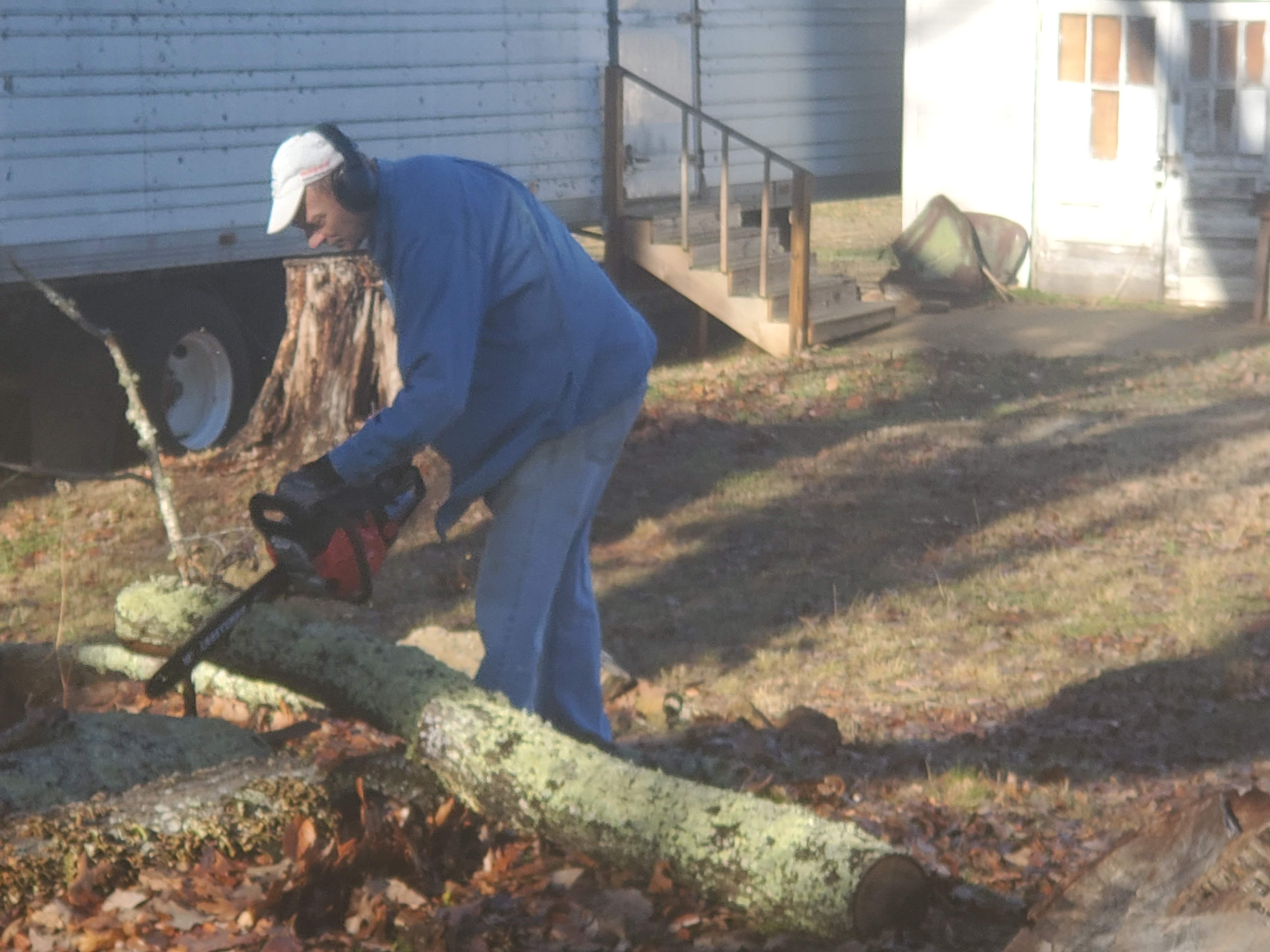
Nothing has an exact number. A picture might tell one thousand different stories to one person, and only one to another. I might look at a picture of a plant coming out of the ground envisioning the rebirth while another sees dirt. Poems are similar in the different numbers of metaphors the poet creates.
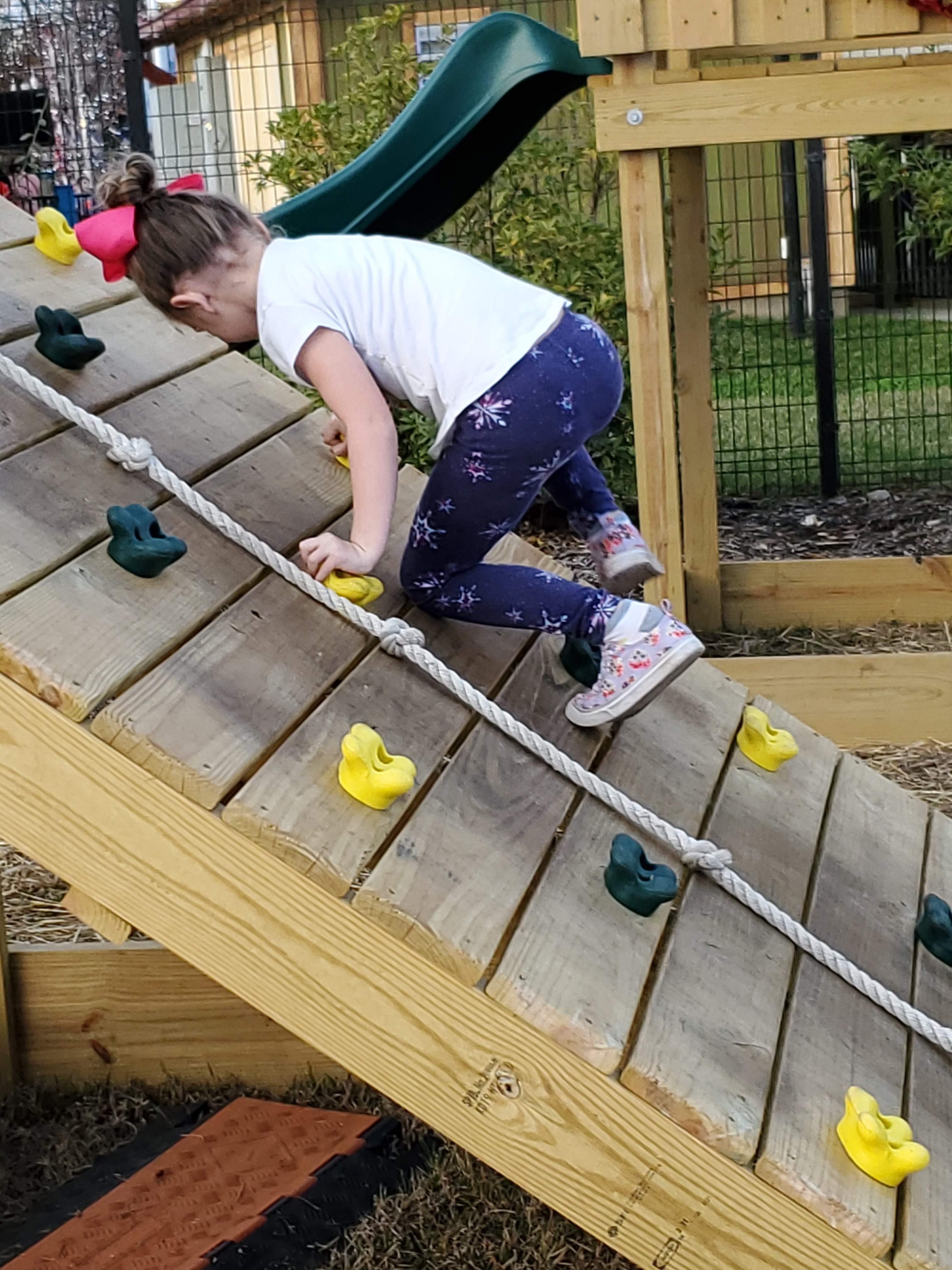
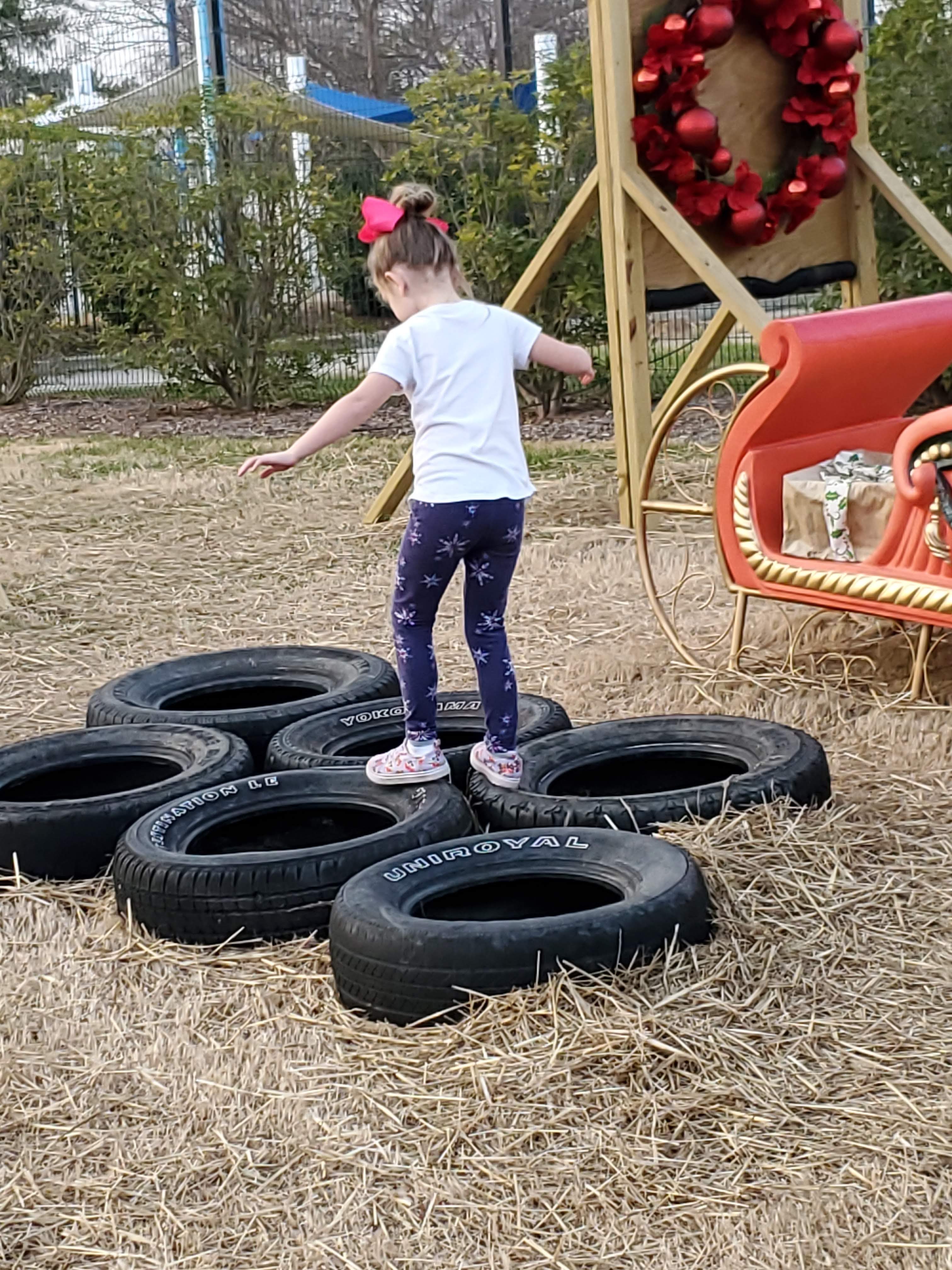
As I’ve looked at pictures from 2019 to now, 2024, and past writing I consider a thousand stories told. Some said. Some go unspoken, while others are written or captured in a picture.
They show how my family and I have moved forward–a term I prefer to the despised, discouraging terms of “move on”–with Corrie still an intact part of our hearts and memory. We’ve closed some doors to those who we loved or hoped would reach truth or understanding, while we’ve embraced new opportunities, people, and love.
One year ago, I wrote a piece in which John and I both made peace with a small part of our journey. Our son, Hayes, also made peace, and at present is happier than he’s been since before Corrie’s sudden death. On that post, in which I shared words of truth, forgiveness, and hope; I wrote:
To hold on to such anger will only destroy. It burns energy, and not in the way we want. Anger cannot sustain us.”
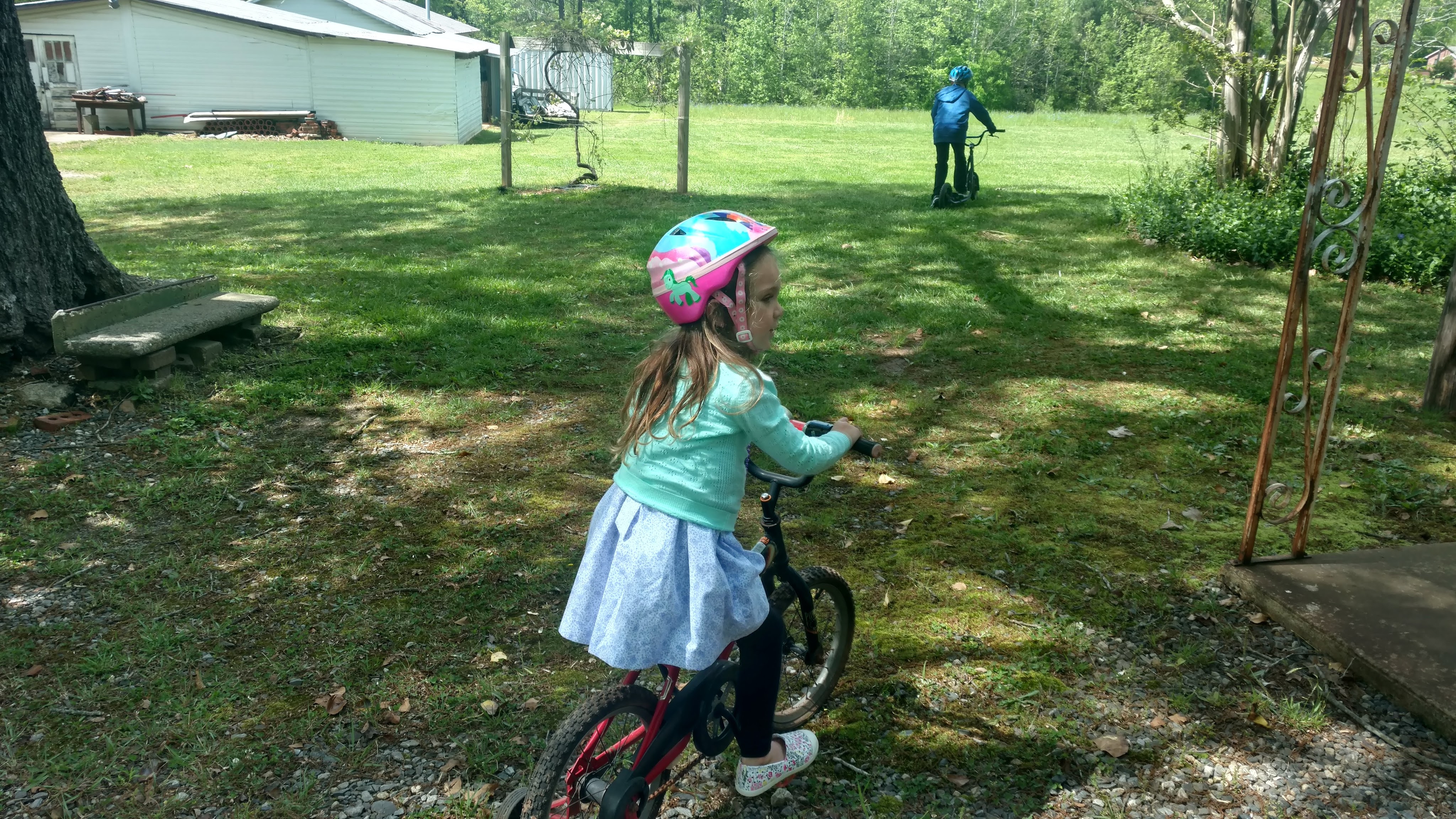
At the time I wrote, “Son, Still We Walk, Still We Rise,” I watched tulips, Hyacinths, and daffodils emerge through red clay. If you know little about red clay, it’s okay. When it’s wet, it holds water. When it’s dry, it is desert dry. I didn’t know what I’d create with Arendelle.
I was in the process of taking care of a husband healing from a femur break, a son in his first year of middle school, and putting myself back together.

I’ve shared numerous pictures of what Arendelle looked like in the beginning. In fact, we tilled it in 2022 intending for it to be a full sunflower garden, but I didn’t have time when school commitment and John’s surgeries.
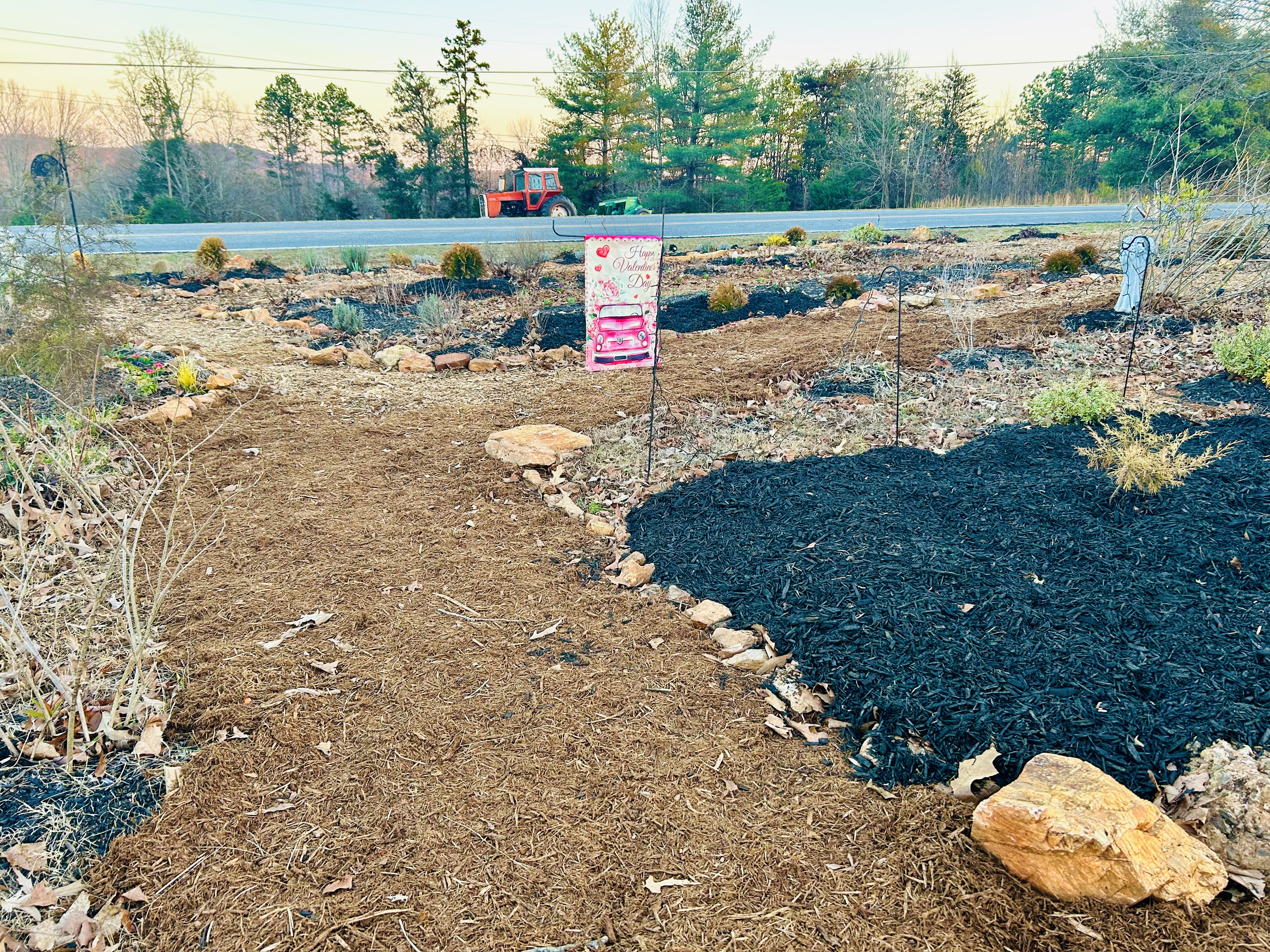
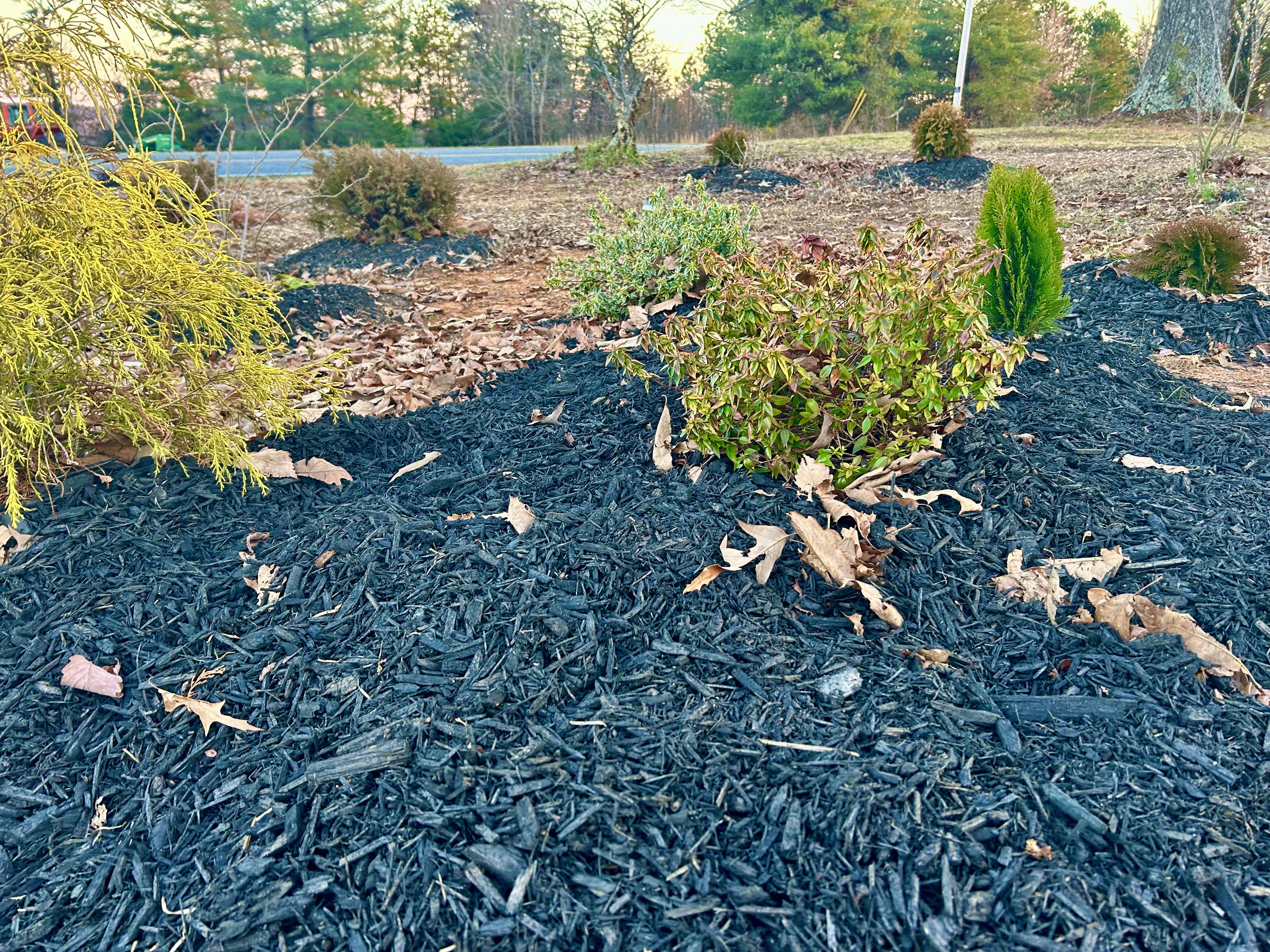
In another post, I reflected on the changes in the gardens. It features pictures of Arendelle when it was just one or two rows of tulips and Hyacinths. It was in the plants left by John’s mother Barbara, the vision of my dad–a lifelong gardener–and John, and the pictures of Arendelle where I discovered my salvation.
I like to believe there is love, compassion, and loyalty in the land of John’s family that cannot be expressed by extensions of it. There is an ability for day lilies, a rose bush more than 100-years-old, rain lilies, and more to thrive and survive in red clay. These plants possess the ability to share the stories, hope, and expressions of love others cannot.
When I have a friend who did something kind or who is struggling with something, I make bouquets. I view this as giving back to those dear family members and friends, who supported my family and I during our darkest days.
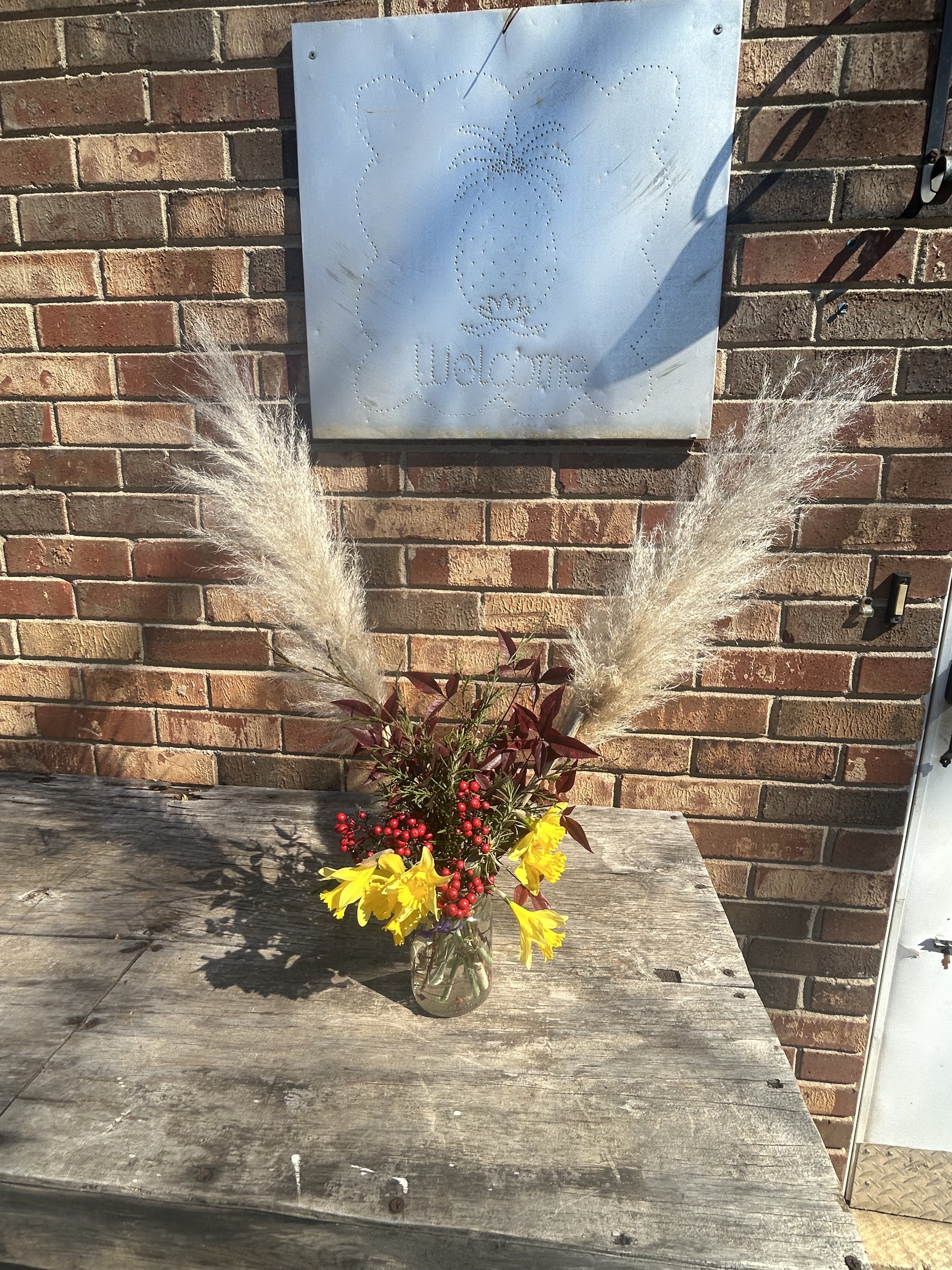
The pictures and words written tell a thousand stories. In the first two-and-a-half-years after Corrie’s death, I wrote more poems. A few have been published for which I’m grateful, but I didn’t seek that last year, as I saw 2023 as a year to find myself again.
Arendelle started me on that journey. (Perhaps I have to be like Elsa, and go into the unknown.) I’m nowhere near ready to see or hear Frozen anything yet, but I did well with a lesser known Frozen song from the first movie at the pool last summer. That said, I can relate to Elsa in wanting to distance herself from people because she’s misunderstood and finds comfort in nature.
The post, “Always,” features a poem and pictures of early additions to Arendelle last year, and I’m a long way from the emotions of “some mornings on the farm” (not meant to be capitalized).
But all the poems, words, and pictures tell a thousand stories, just as your own do.
The pictures below, both taken in June 2019, express our story.
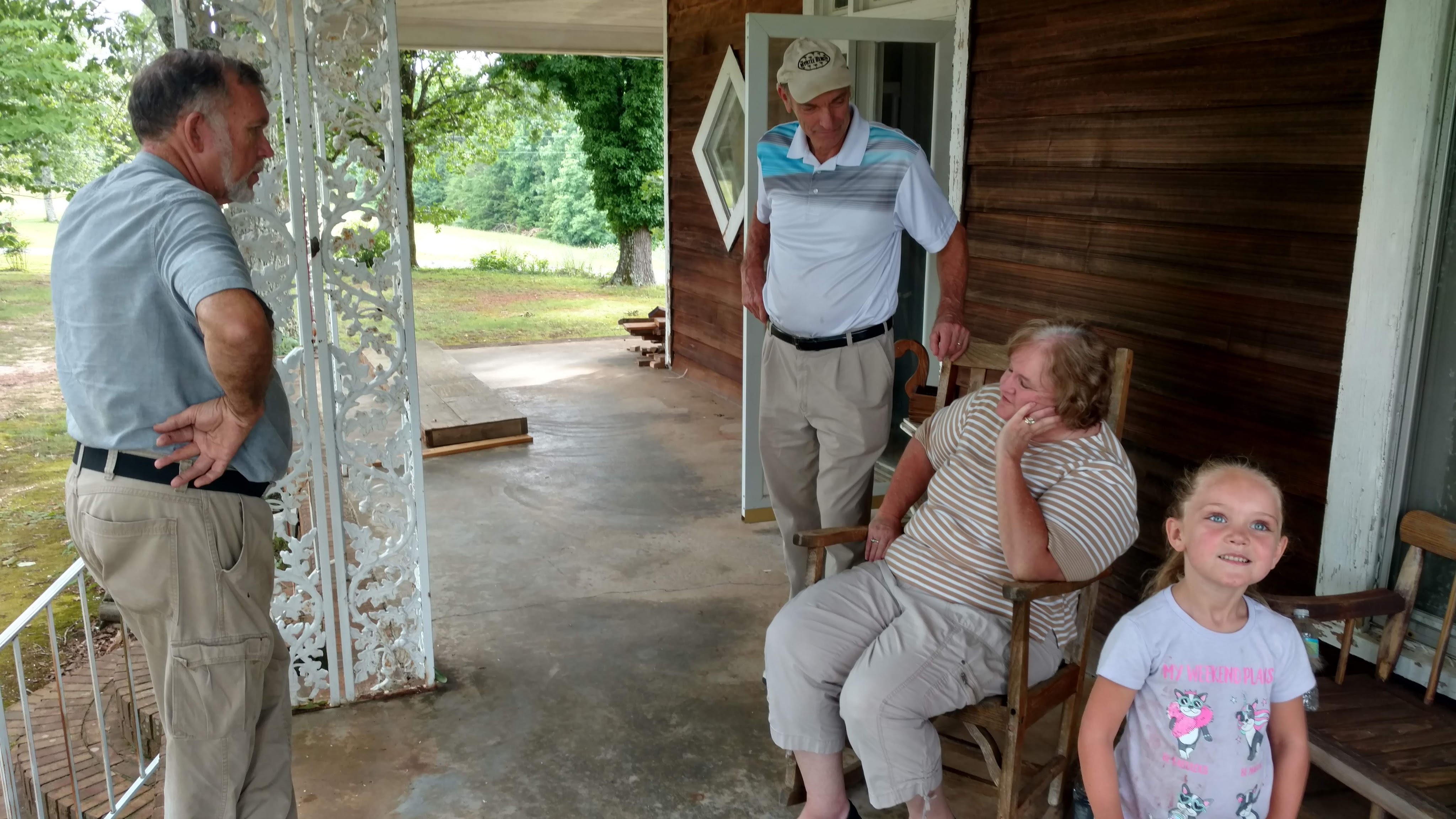

The pictures below show stories in the difference of relationships with our son vs. daughter. (Both children have always–and are–been adored and loved equally.)
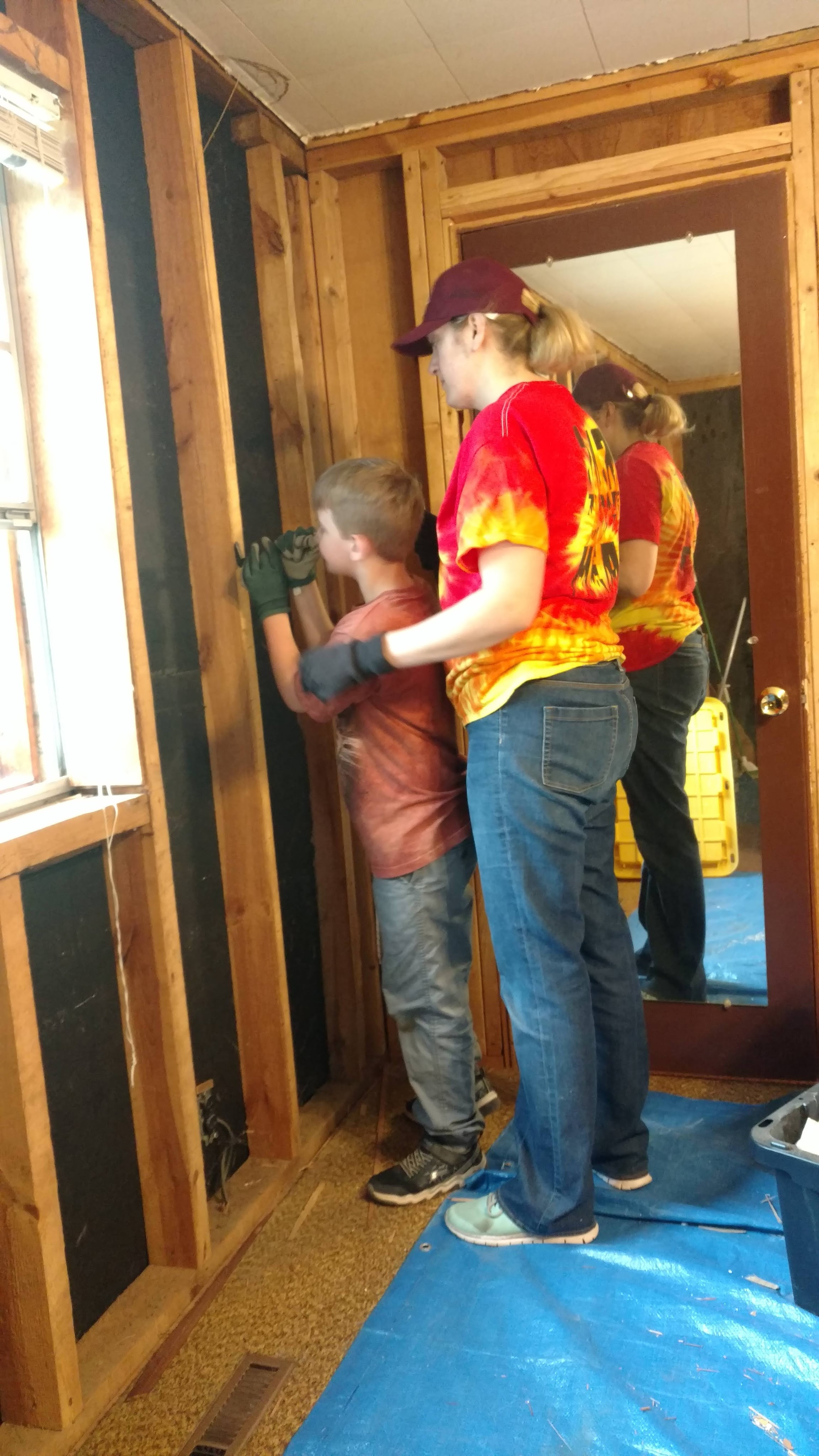
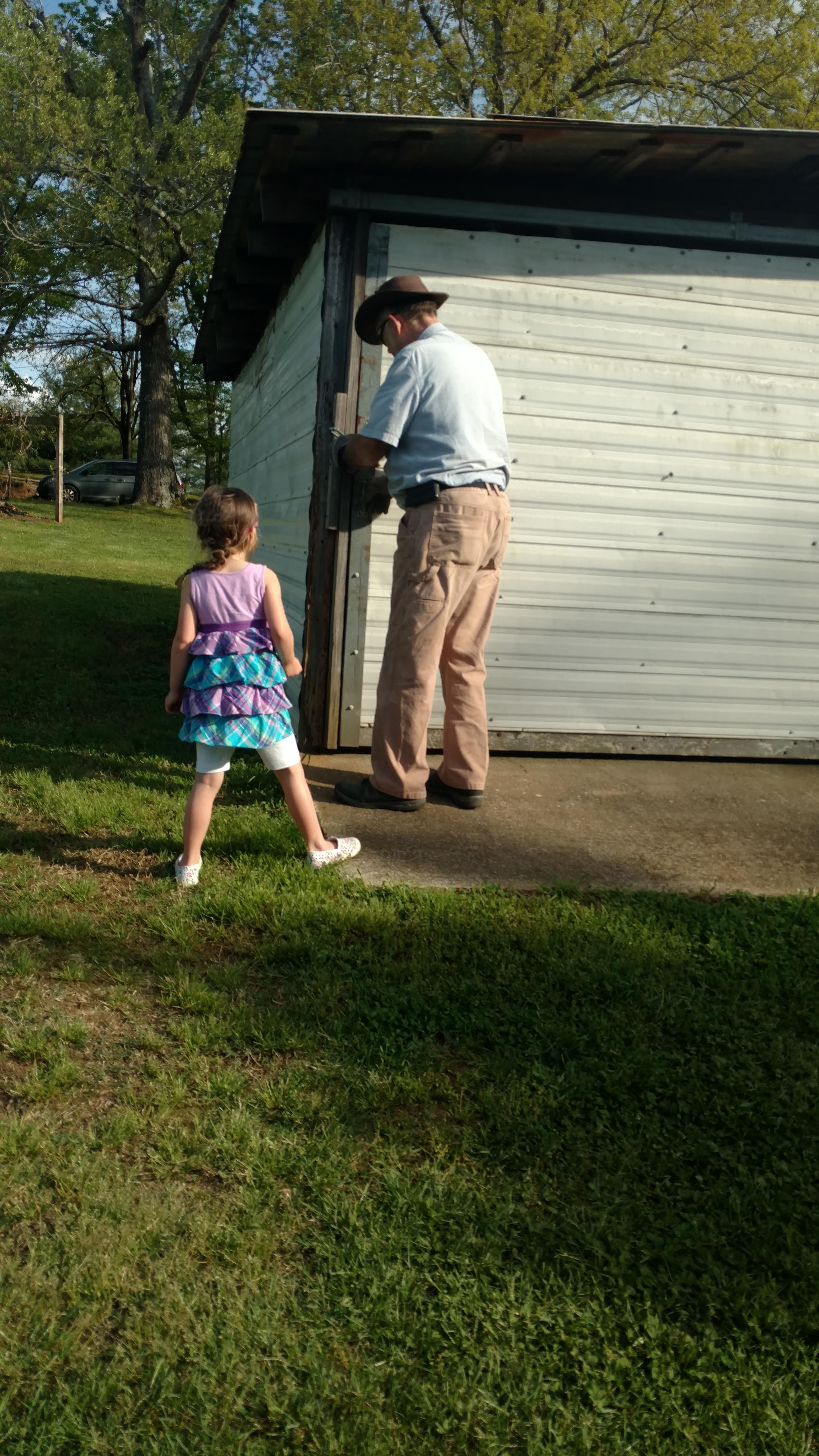
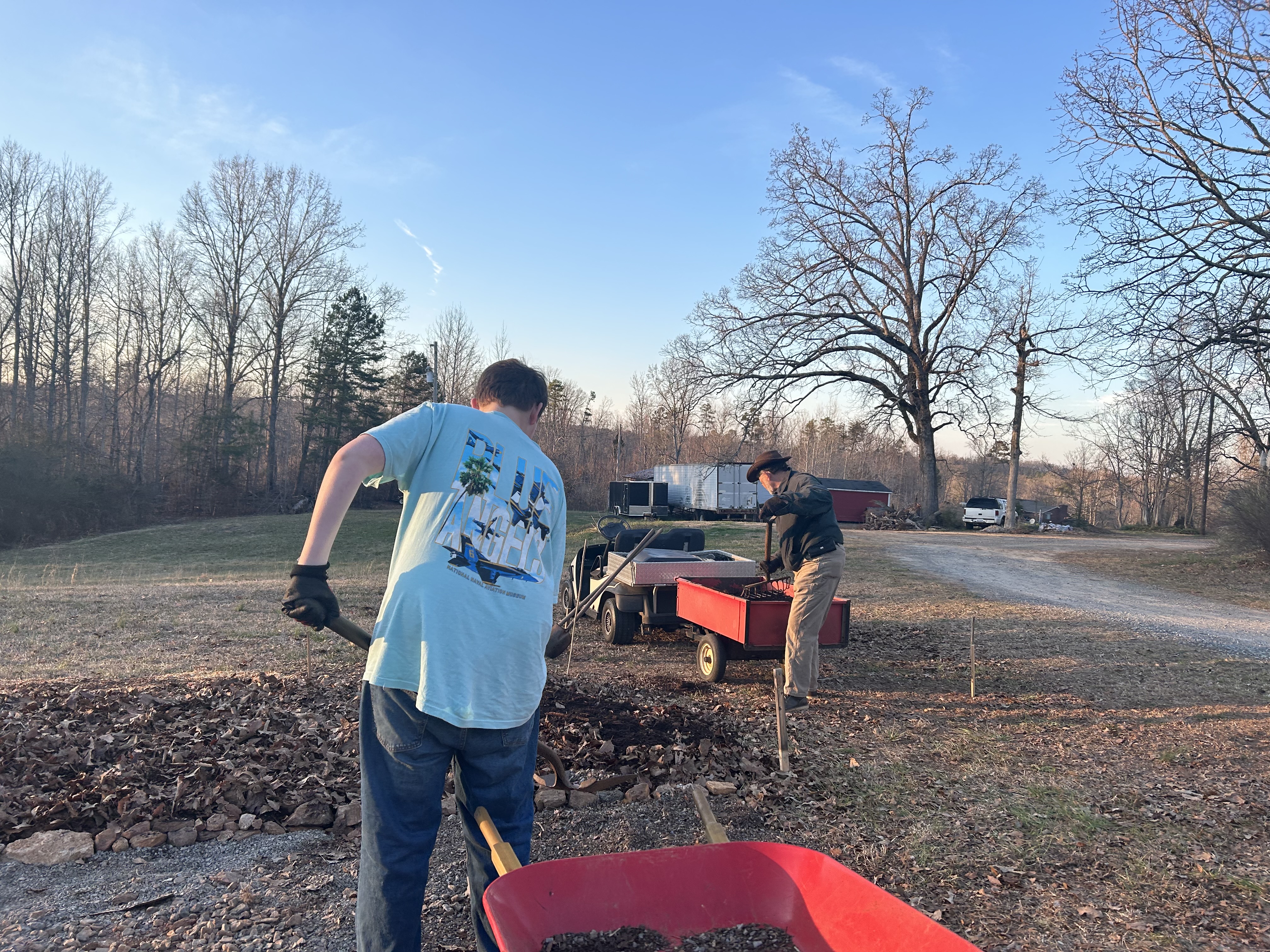

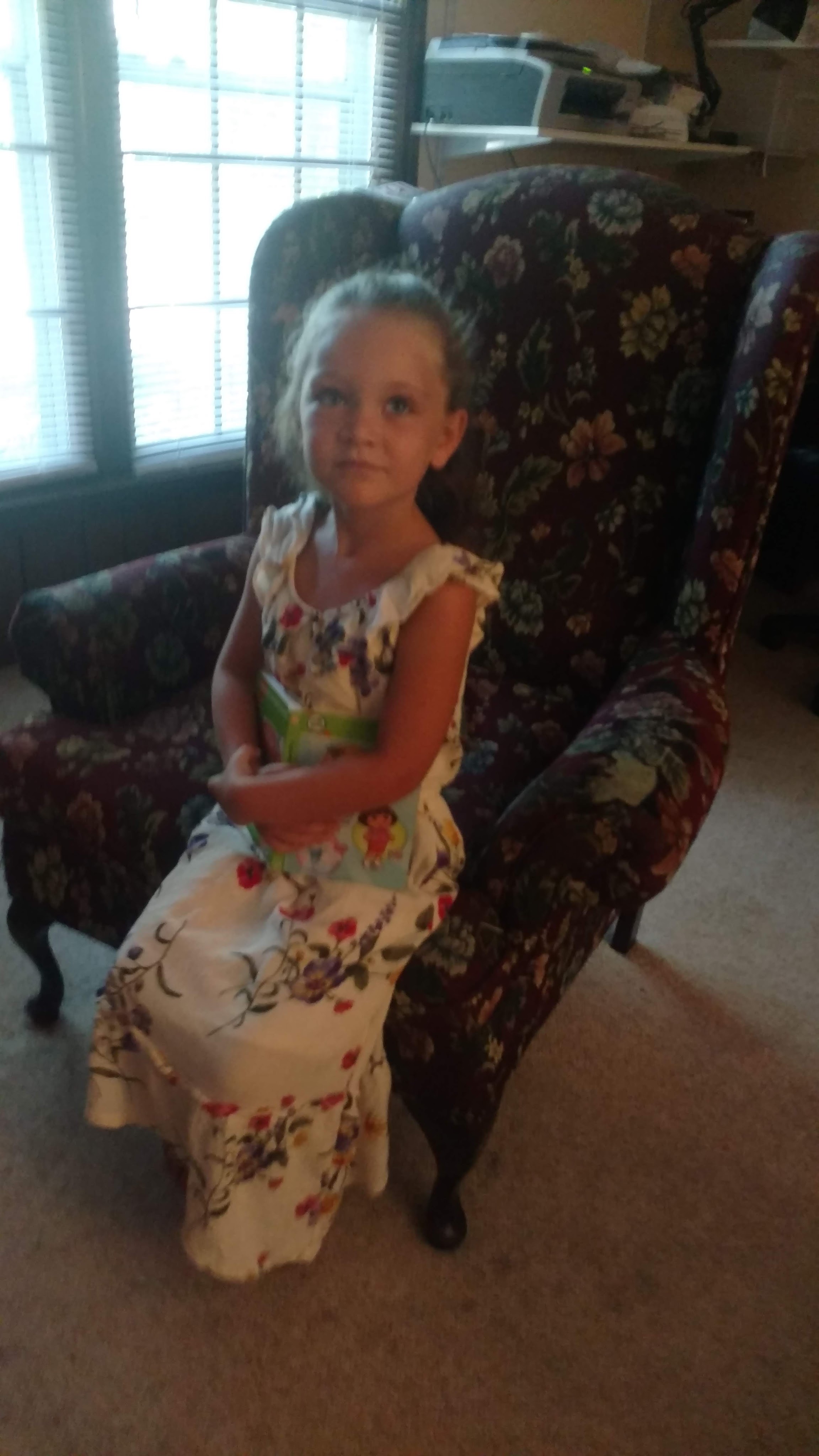
We can look at pictures on our phones, in albums, or on the wall, and they spark a memory or story.
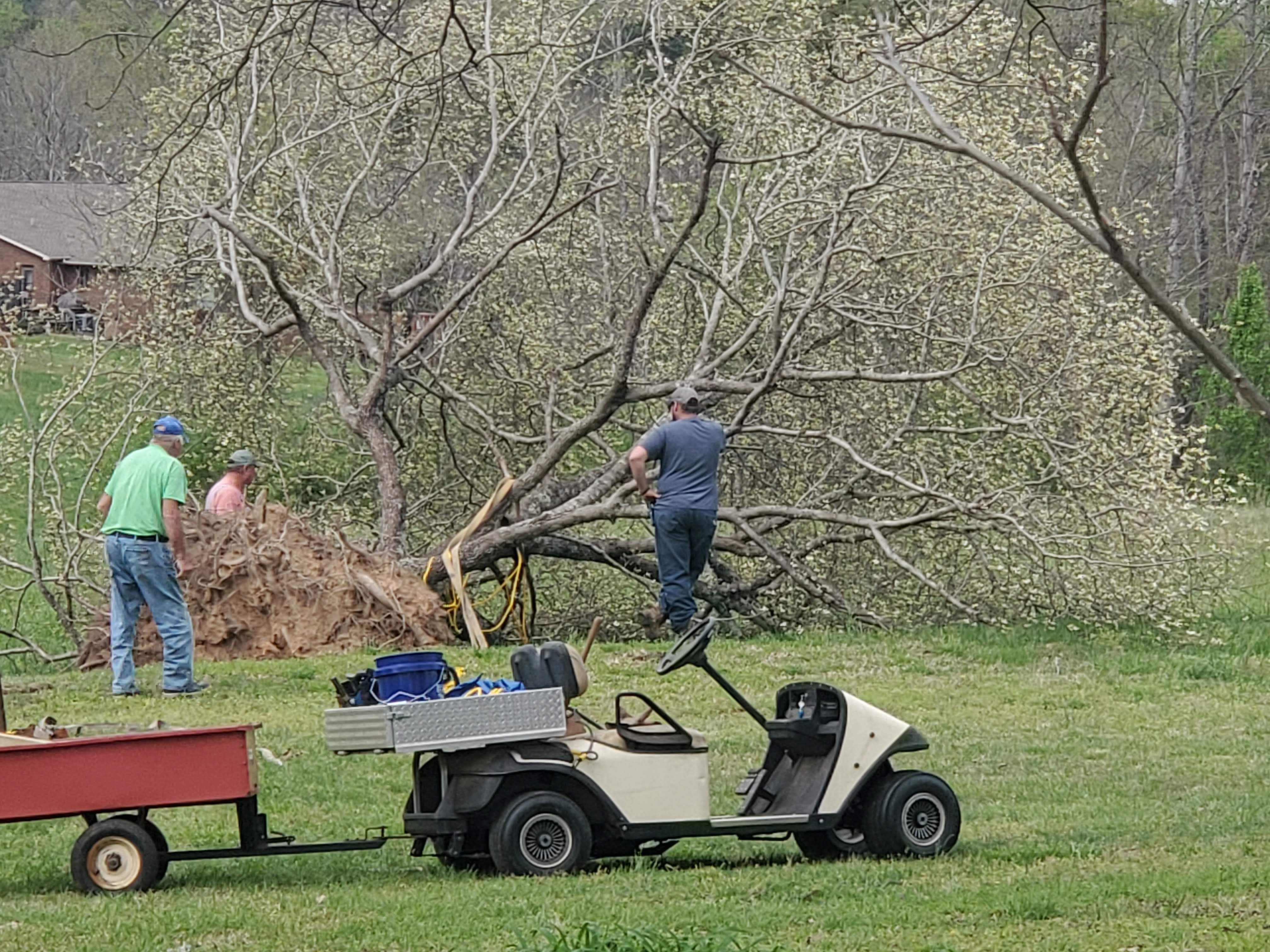
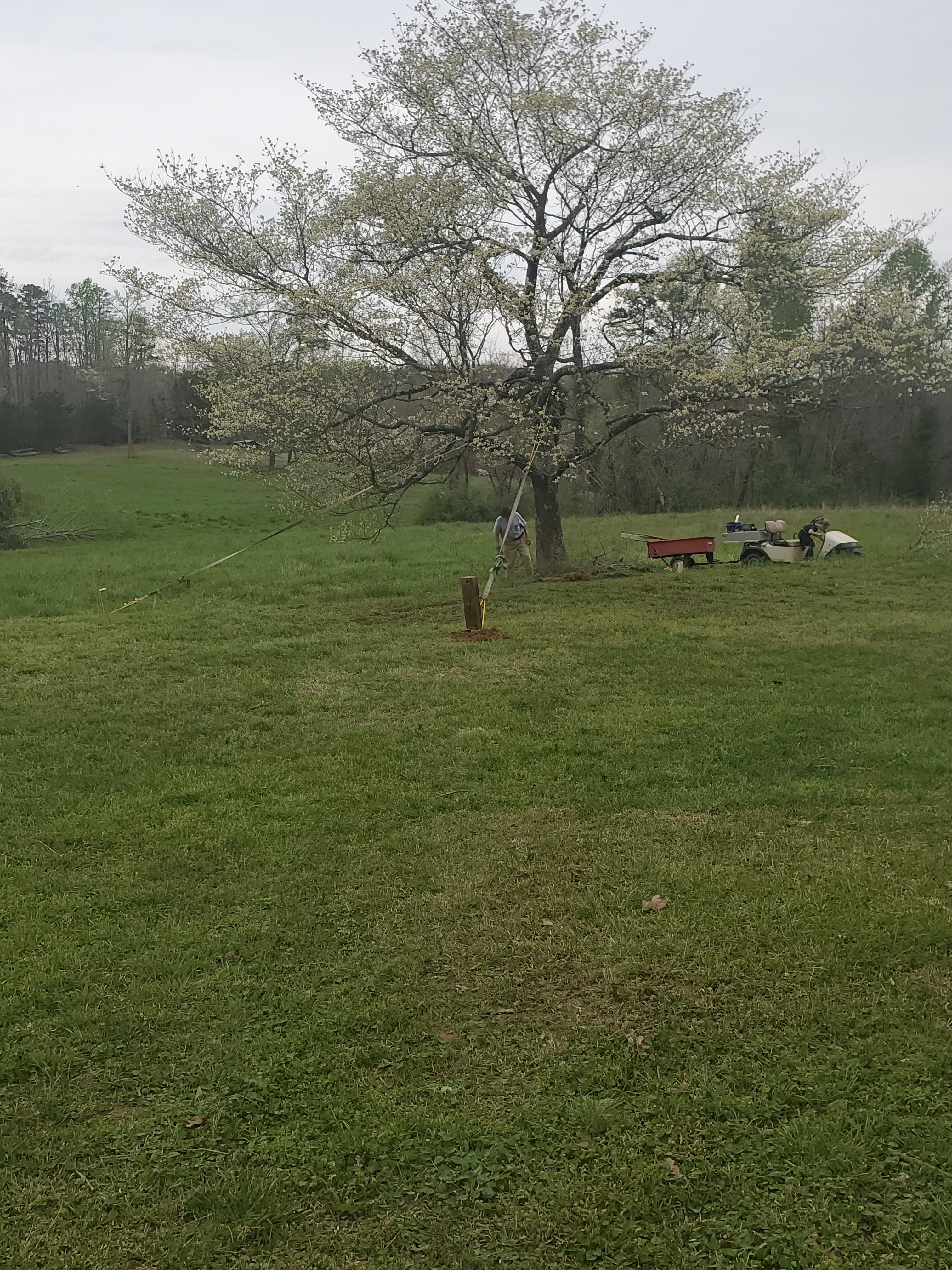
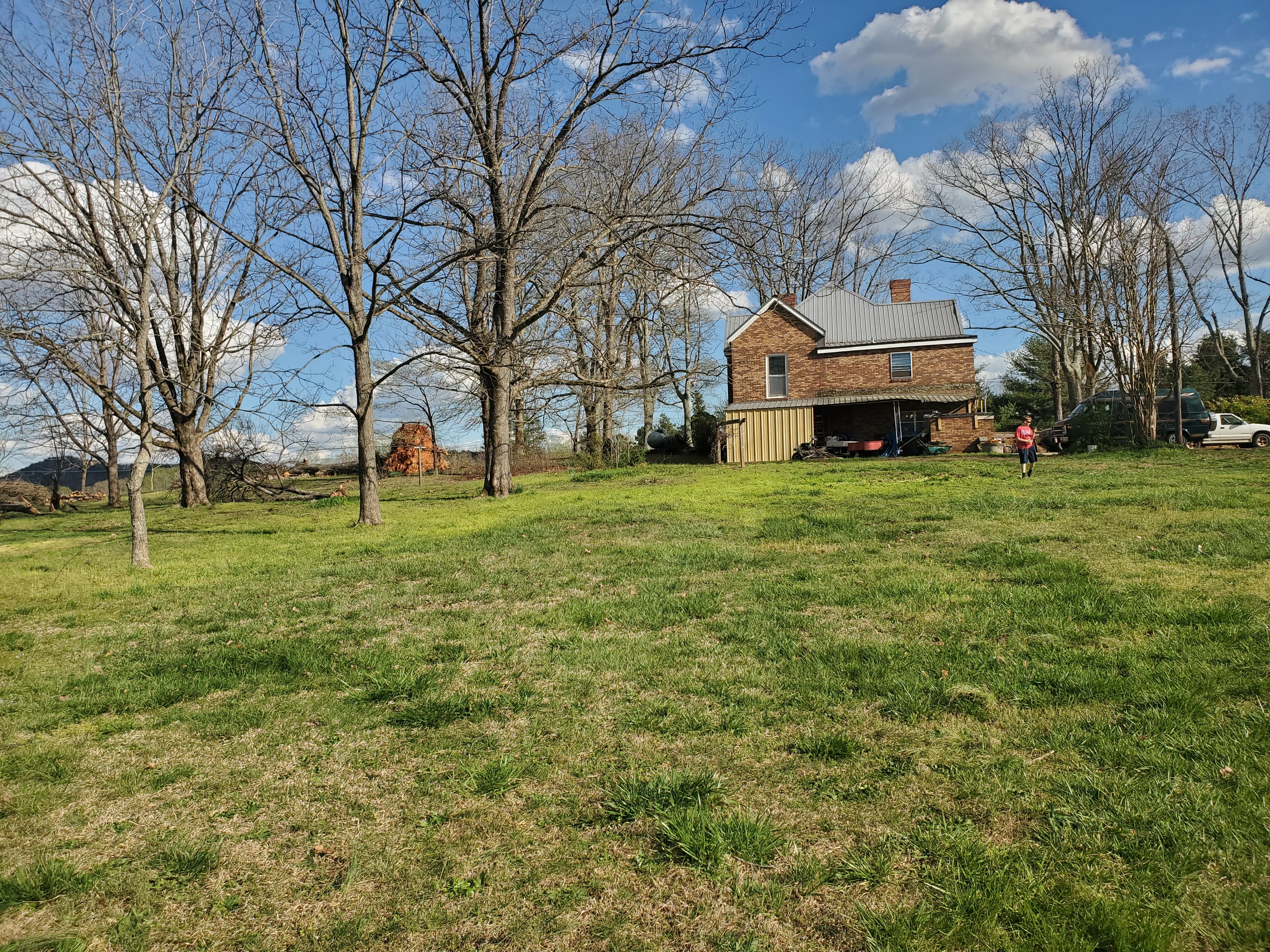
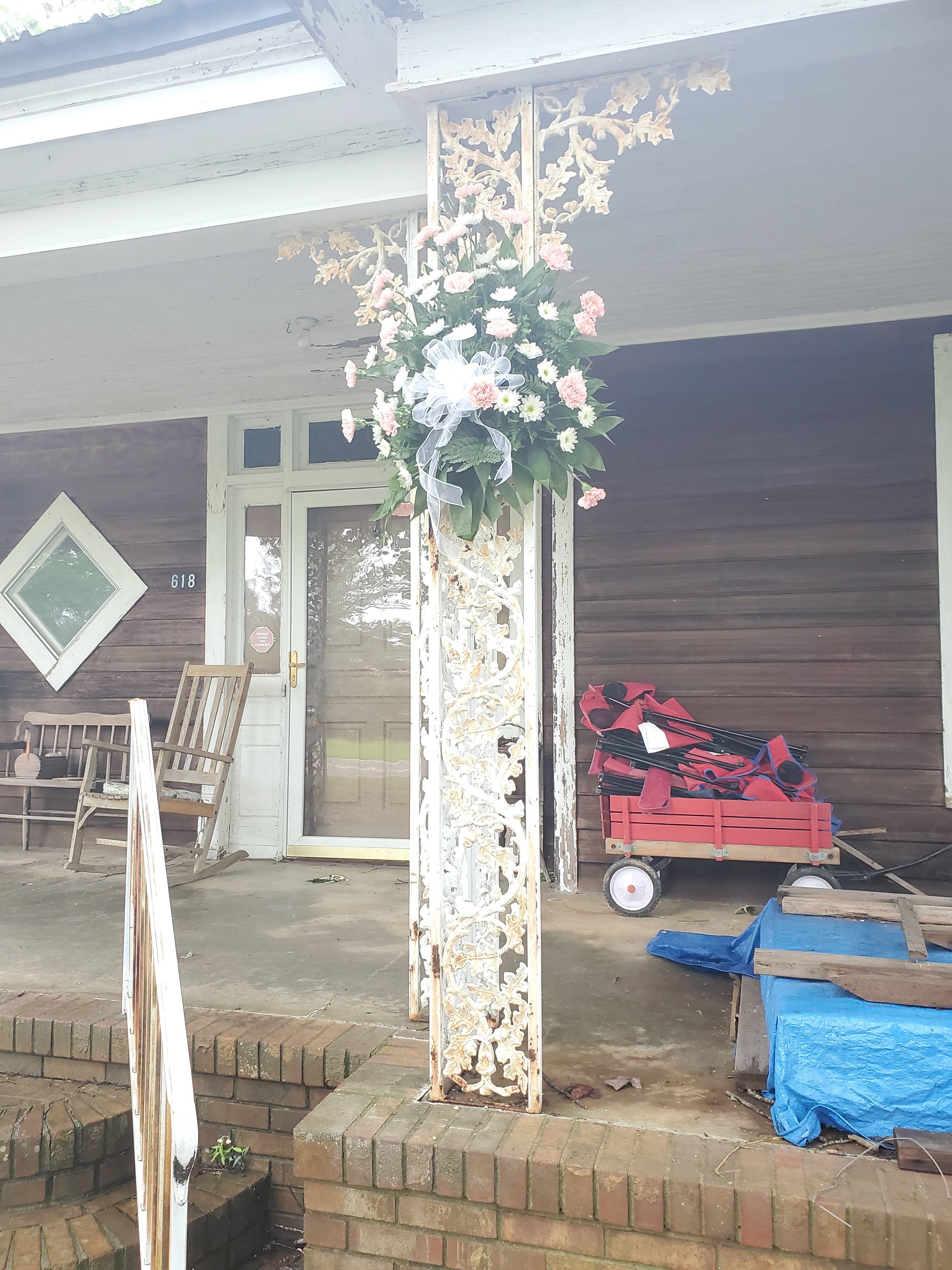
Our words, deeds, and pictures tell a thousand stories. Sometimes they’re bent to the story a person wants to tell. Perhaps it is different from the truth because, to them, it is their truth. Perhaps it brings joy and sadness together. There are emotions we feel for which we lack the language.
I’ve taken more pictures than I can count of the gardens and of the decorations I do for Corrie and other children, who earned their wings too early, at the cemetery. Some I share. Some I don’t. The garden pictures might seem overwhelming to some.
If I’d looked at pictures I’ve taken of the gardens four years ago, I would’ve rolled my eyes. Dad would laugh, and bring up my “brown thumb.” I had no interest in gardens or yard work.
Hayes said, “Mom, no offense, but I’m never going to garden when I’m an adult. It’s too much work.”
“Ask your Papa about how I felt at your age,” I said. “Then think back to how I felt about it four years ago.”
“I have to say,” Hayes said. “the garden does look really good.”
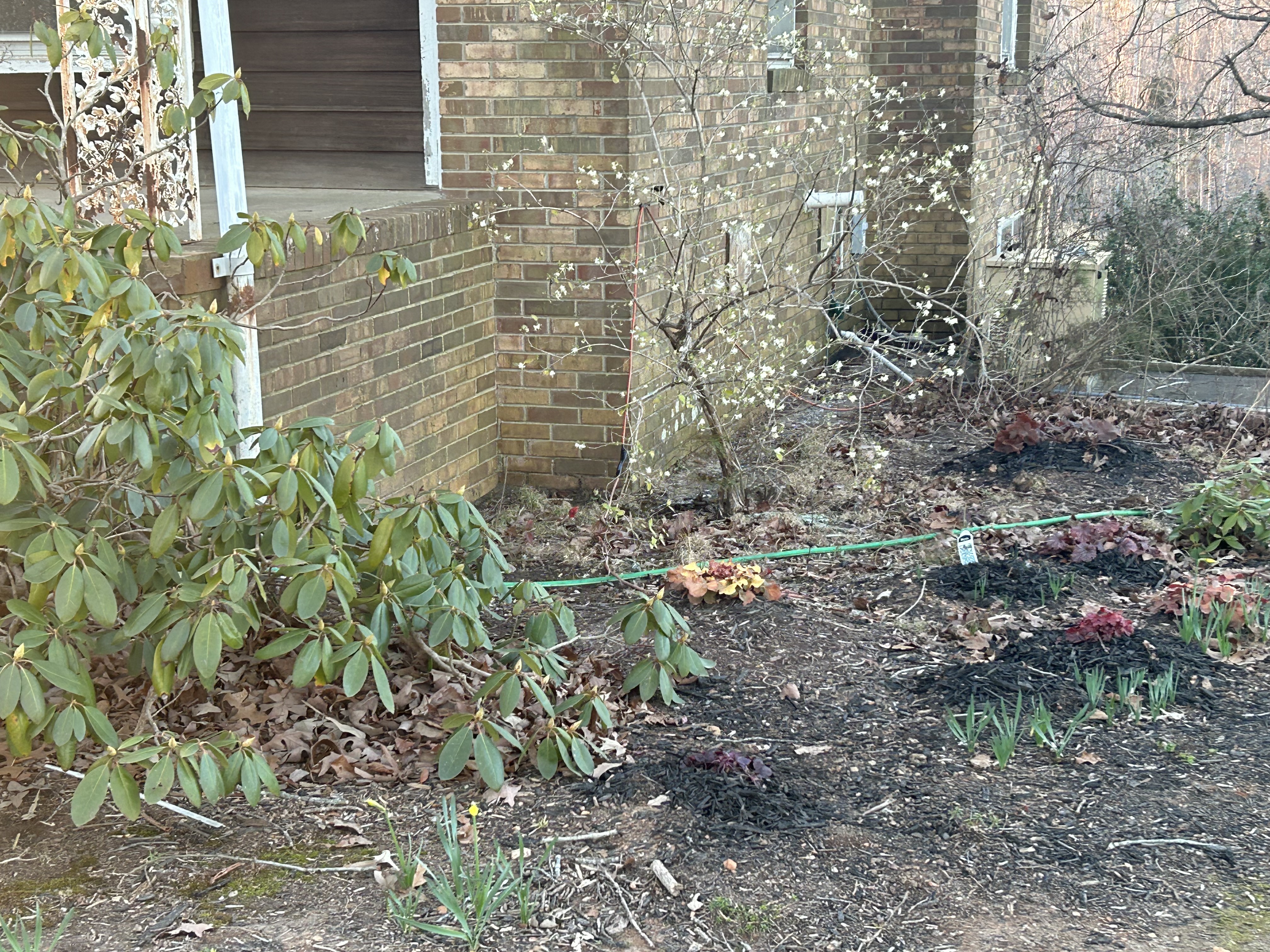
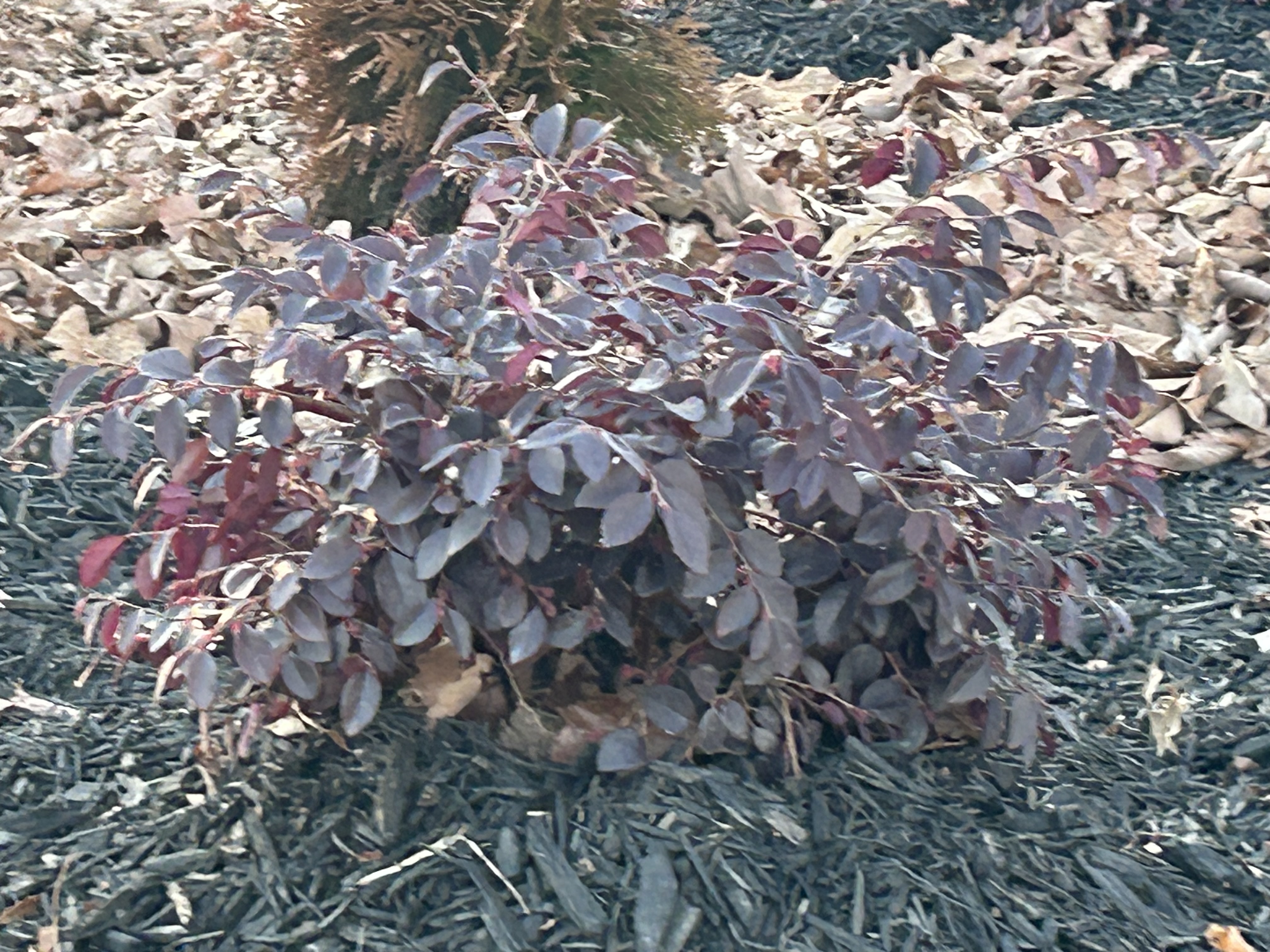
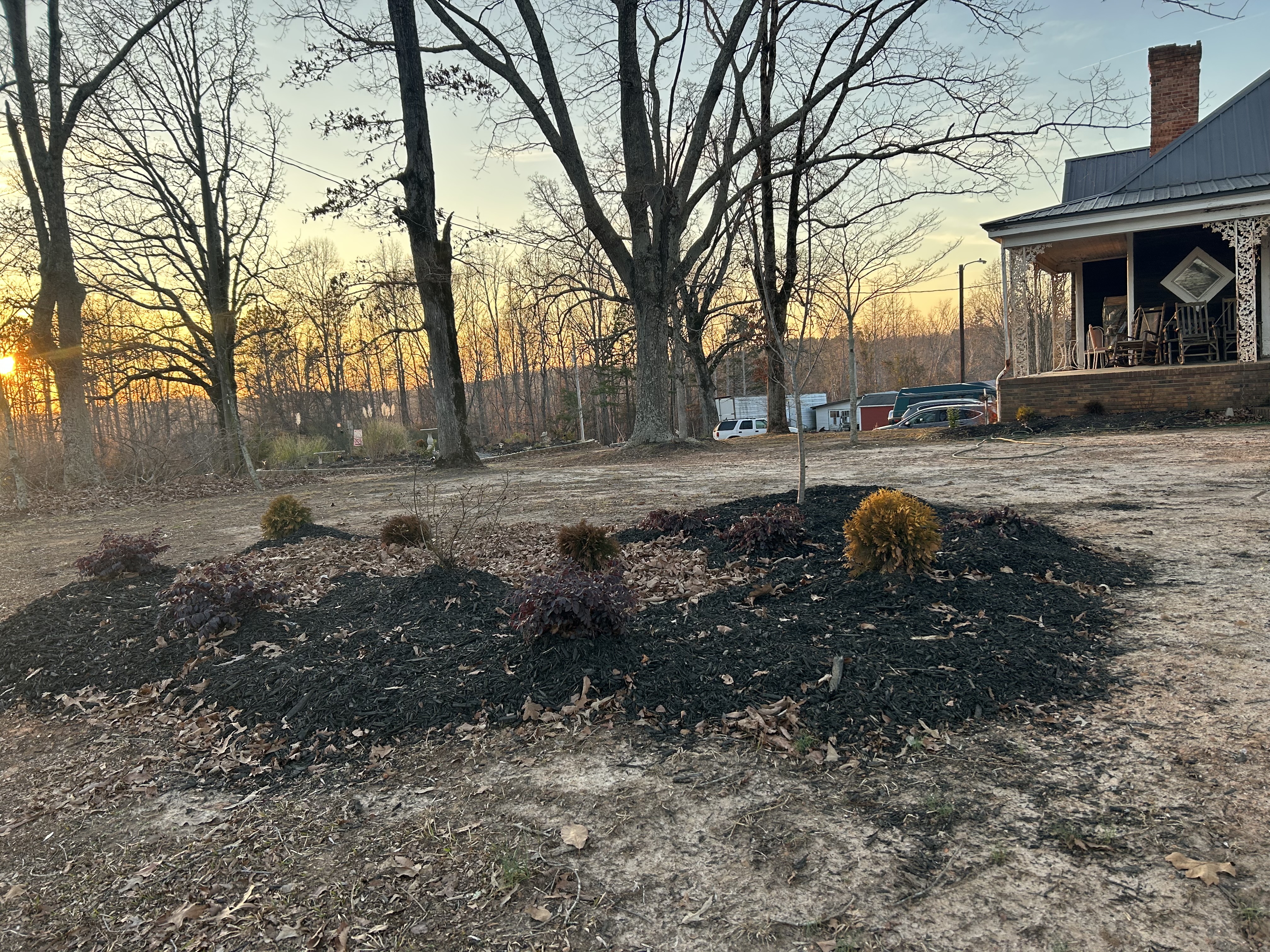
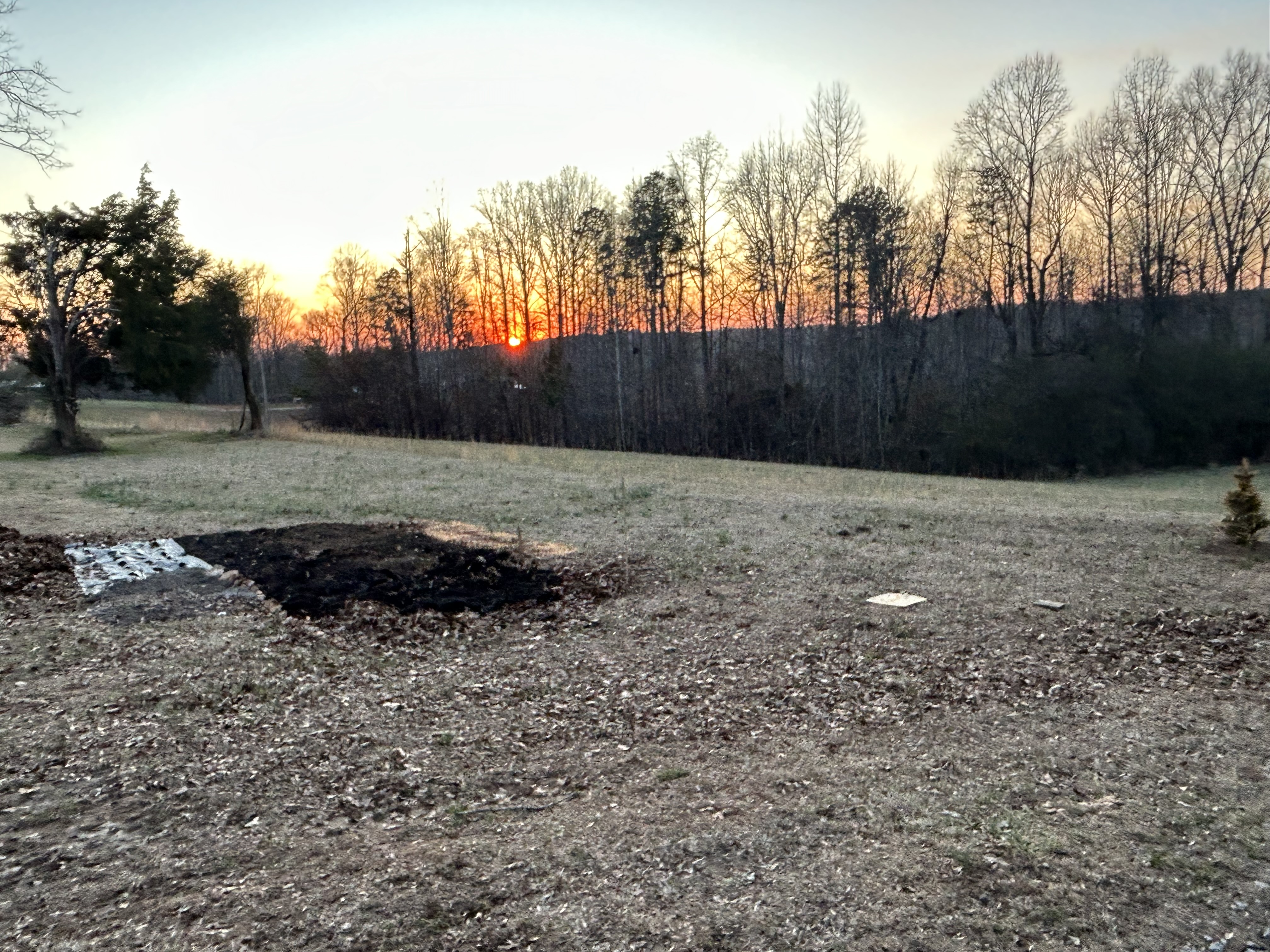
I’ll share these pictures of the gardens to tell their own stories.
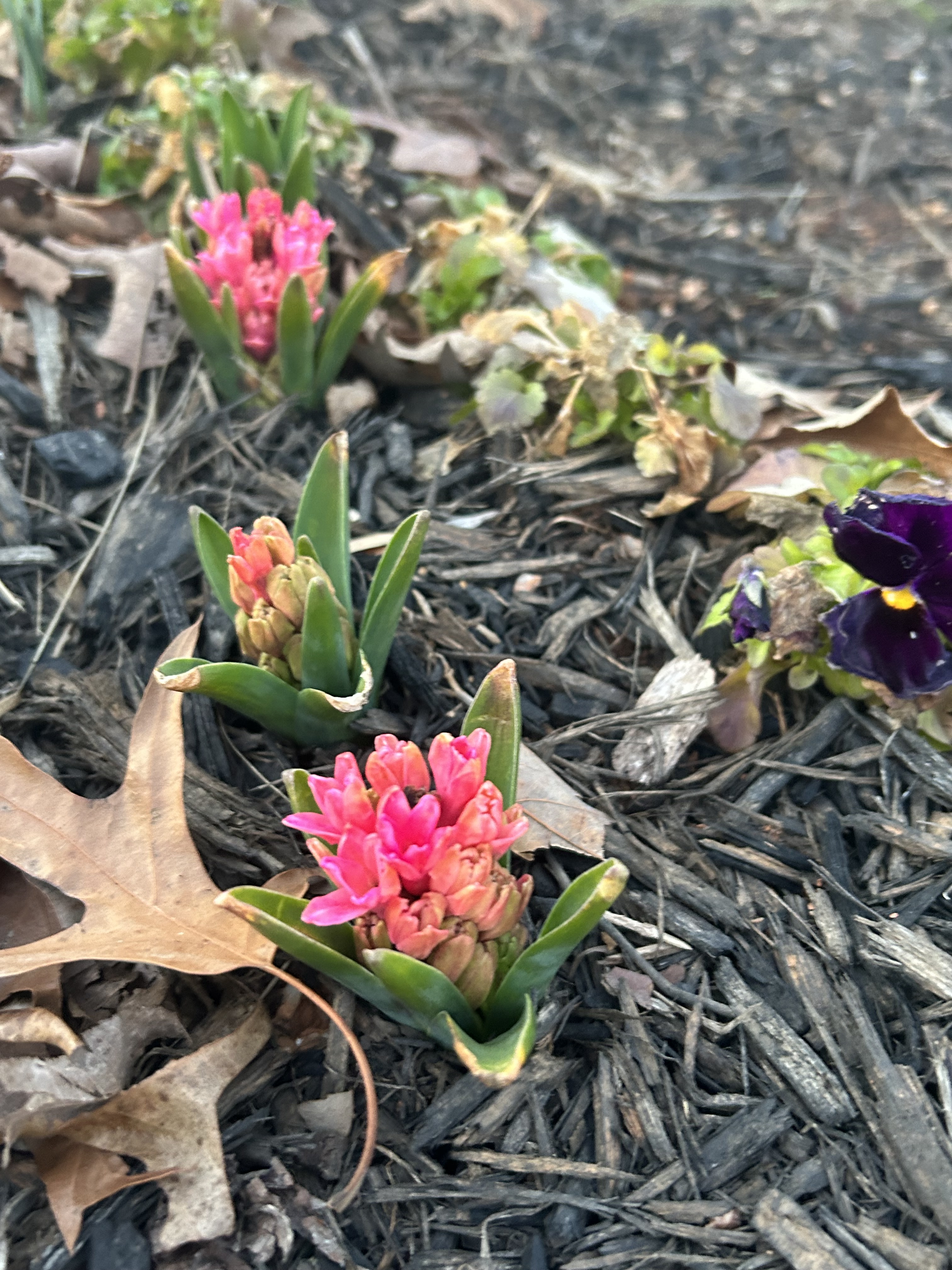

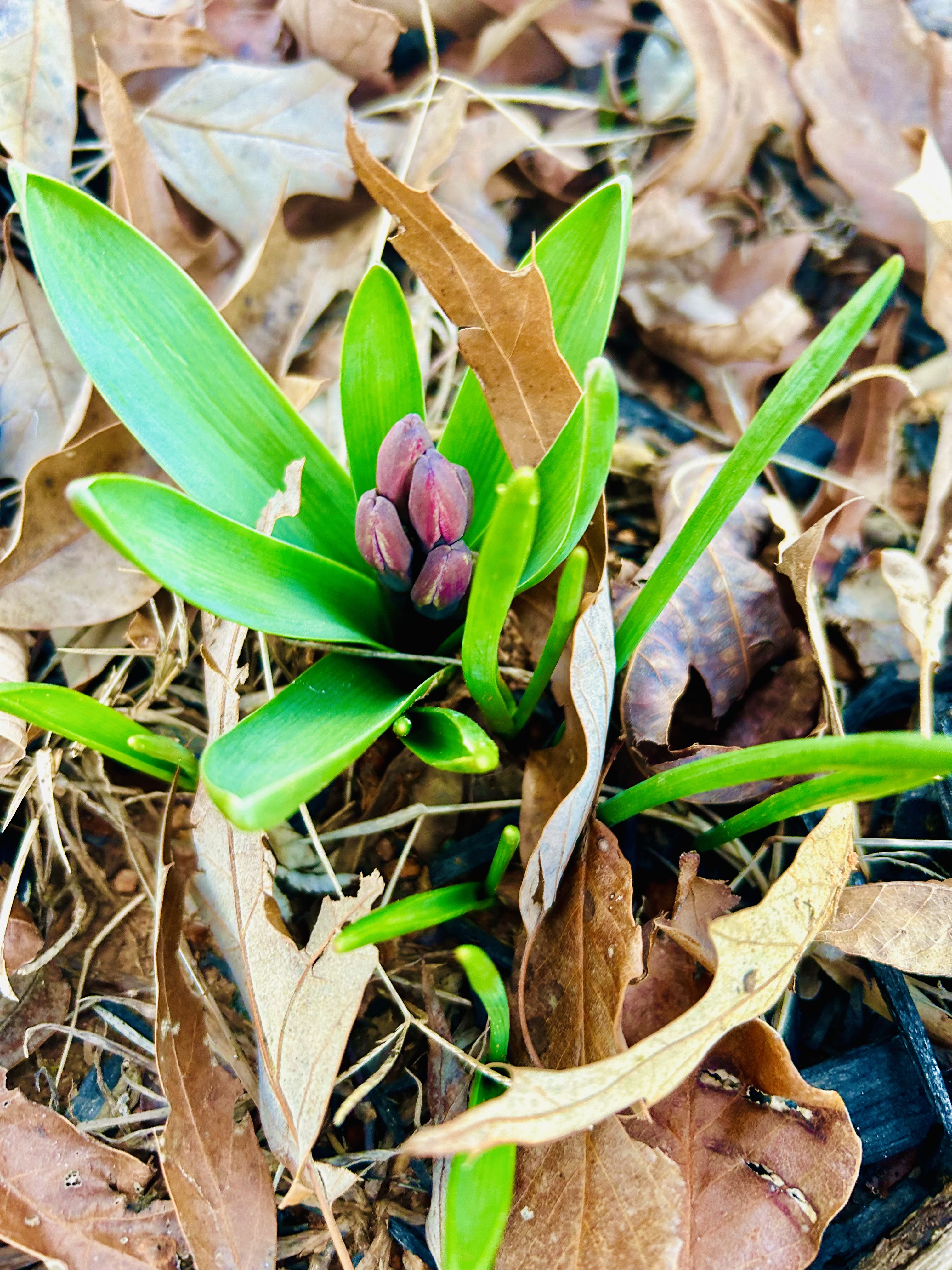

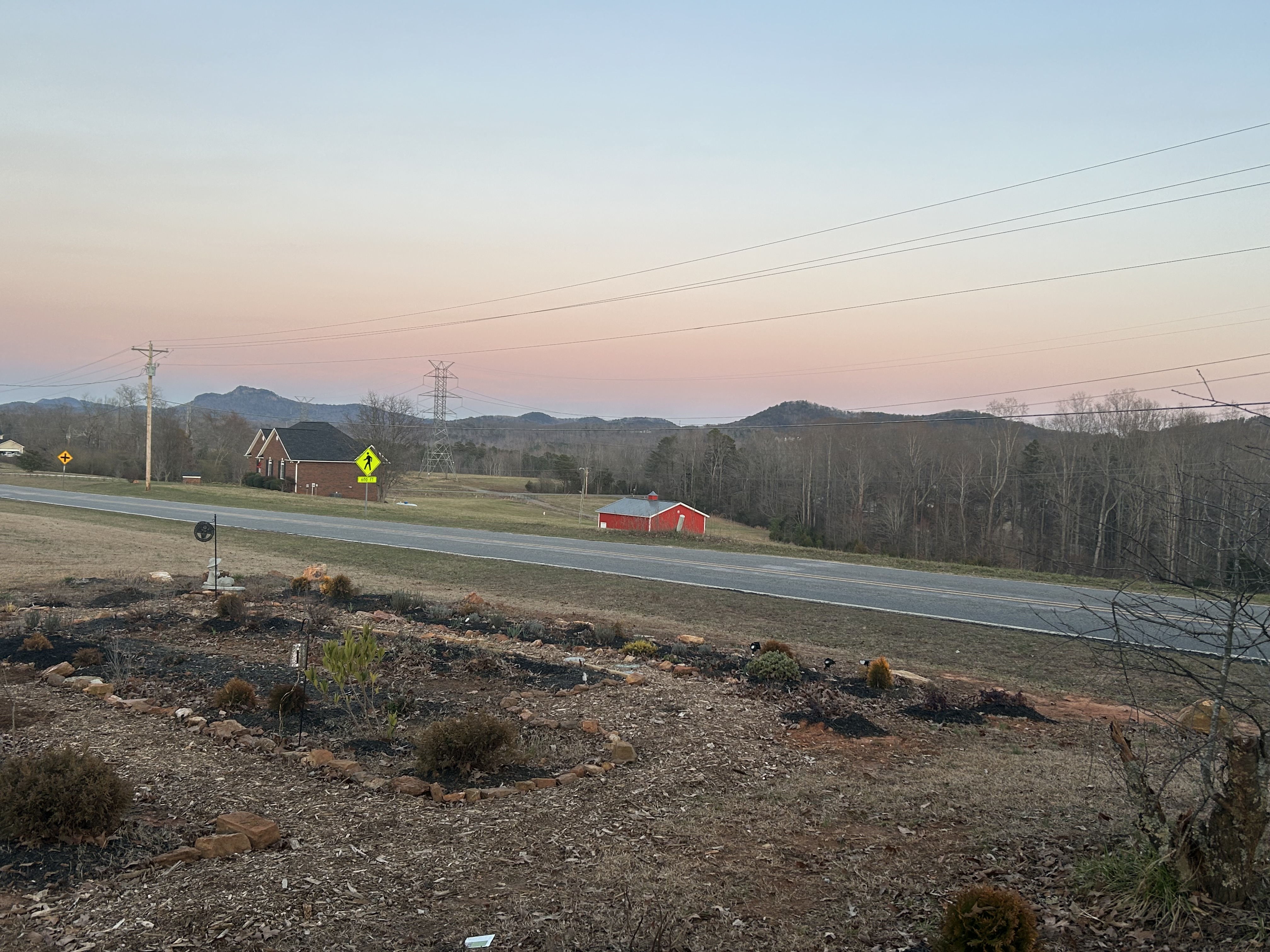
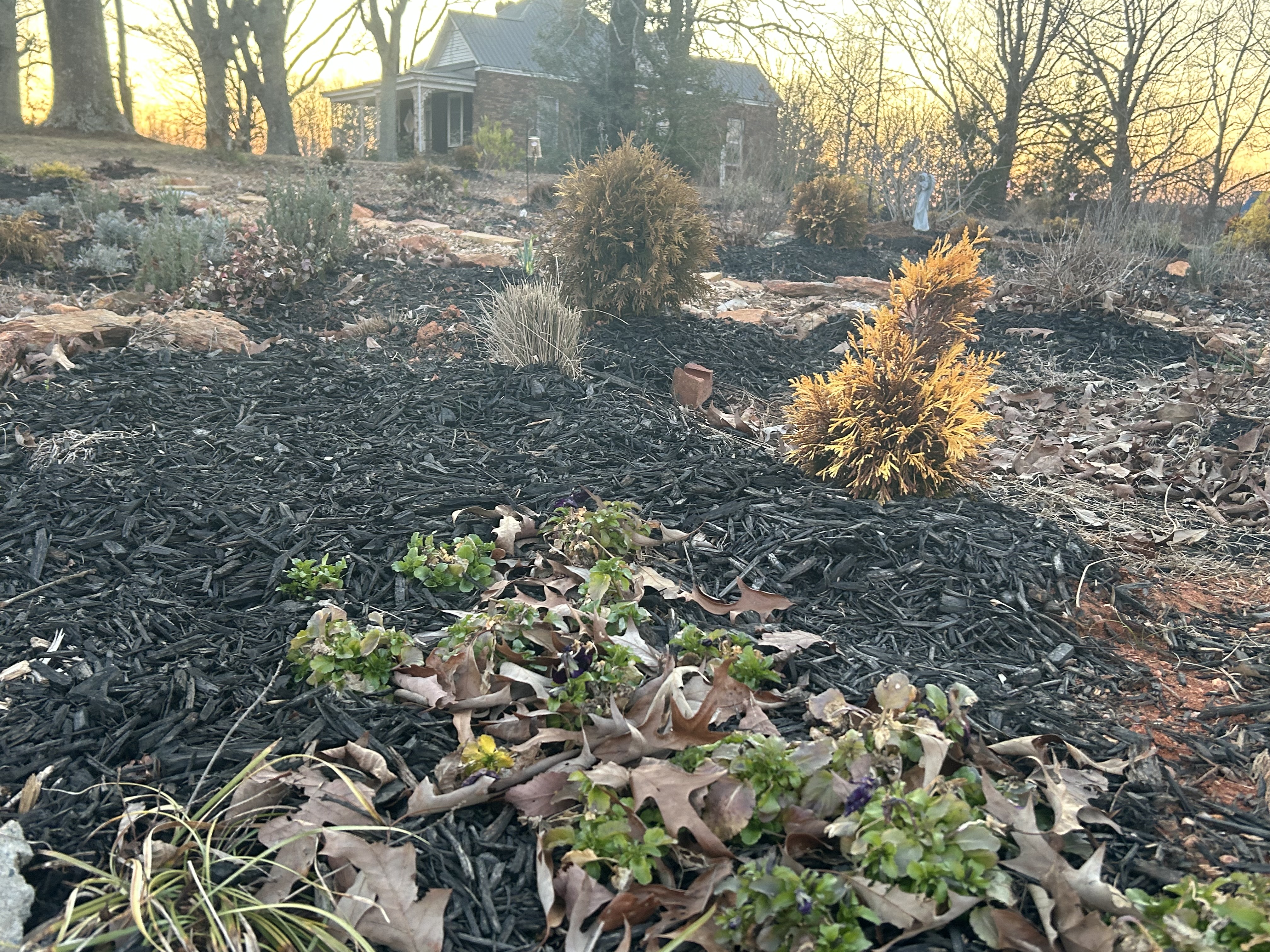
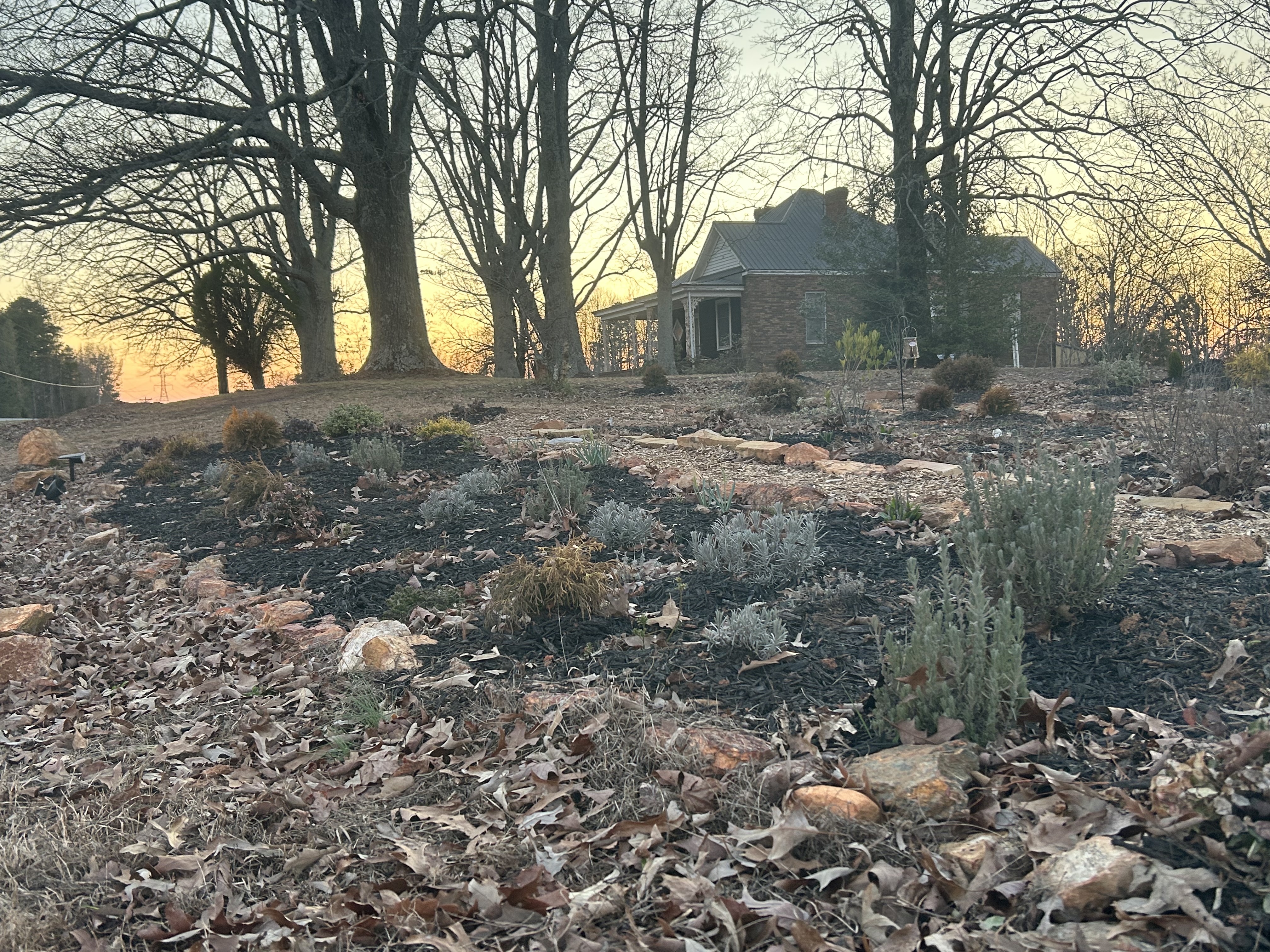
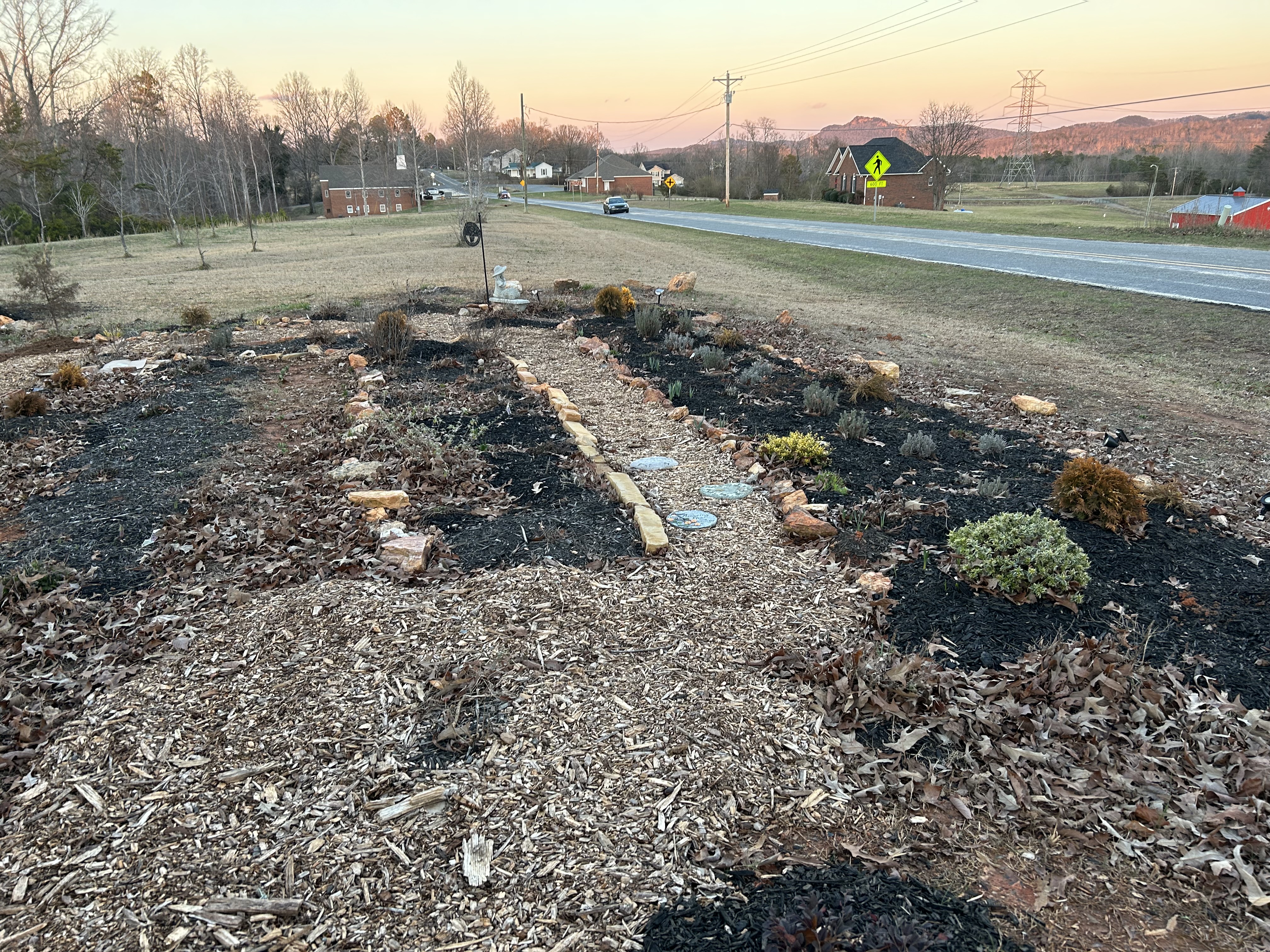
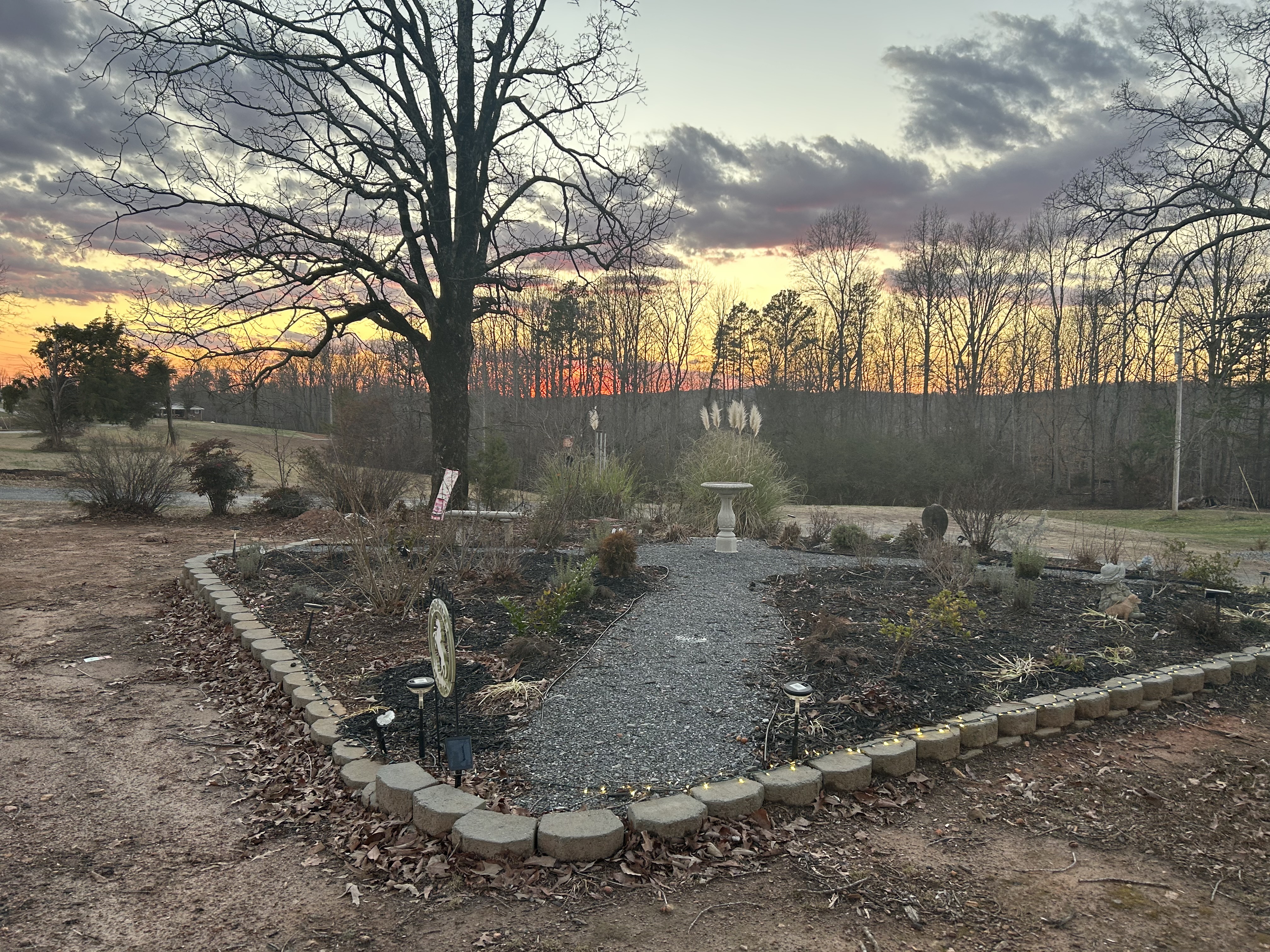
Pictures and words by R.A. Bridges

 Corrie's Season