


From the moment it happens, this kind of journey starts with a person cradling their knees in disbelief.
Some individuals stare at the wall. Others will walk out the door as if it never occurred.
On the morning of May 28, 2020, I walked outside with my children’s puppies wailing; a sound I’d never heard from myself. I clutched Corrie’s favorite Elsa and Anna dolls wrapped in her favorite purple blanket.
Everyone, at some point in their life, will take a journey they don’t want whether they lose a mother, father, grandparent, spouse, child, friend, or pet. What no one tells you about this journey is that you will lose other things. You will lose the version of yourself that you knew, a part in life for which you’d hoped, and sometimes friends.

That Word
What I don’t believe society, in general, is prepared to hear is the fact that word some view as the dirty kitchen cloth visitors should never see becomes a journey; not a two week stay.
As I’ve written before, grief isn’t defined only by that darkest moment when we, who’ve lost, hear the news. Sometimes it’s brutal, destroys us, rips and leaves scars. It pushes us into the darkness when we feel we’re utterly alone, and no one ever needs to see this part of us. Perhaps we’re embarrassed by those who see that side of us, or we might not care.
You don’t want my shoes. They’re not the latest Nike Air Force, Converse, or New Balance. Our shoes are covered in mud with the soles coming out of the bottom allowing water from rain to soak our socks.
Grief is a journey for the rest of your life. It is the eternal mark in the spirit of the one whom you loved deeply. As it’s been said many times, if we do not grieve, we do not love.
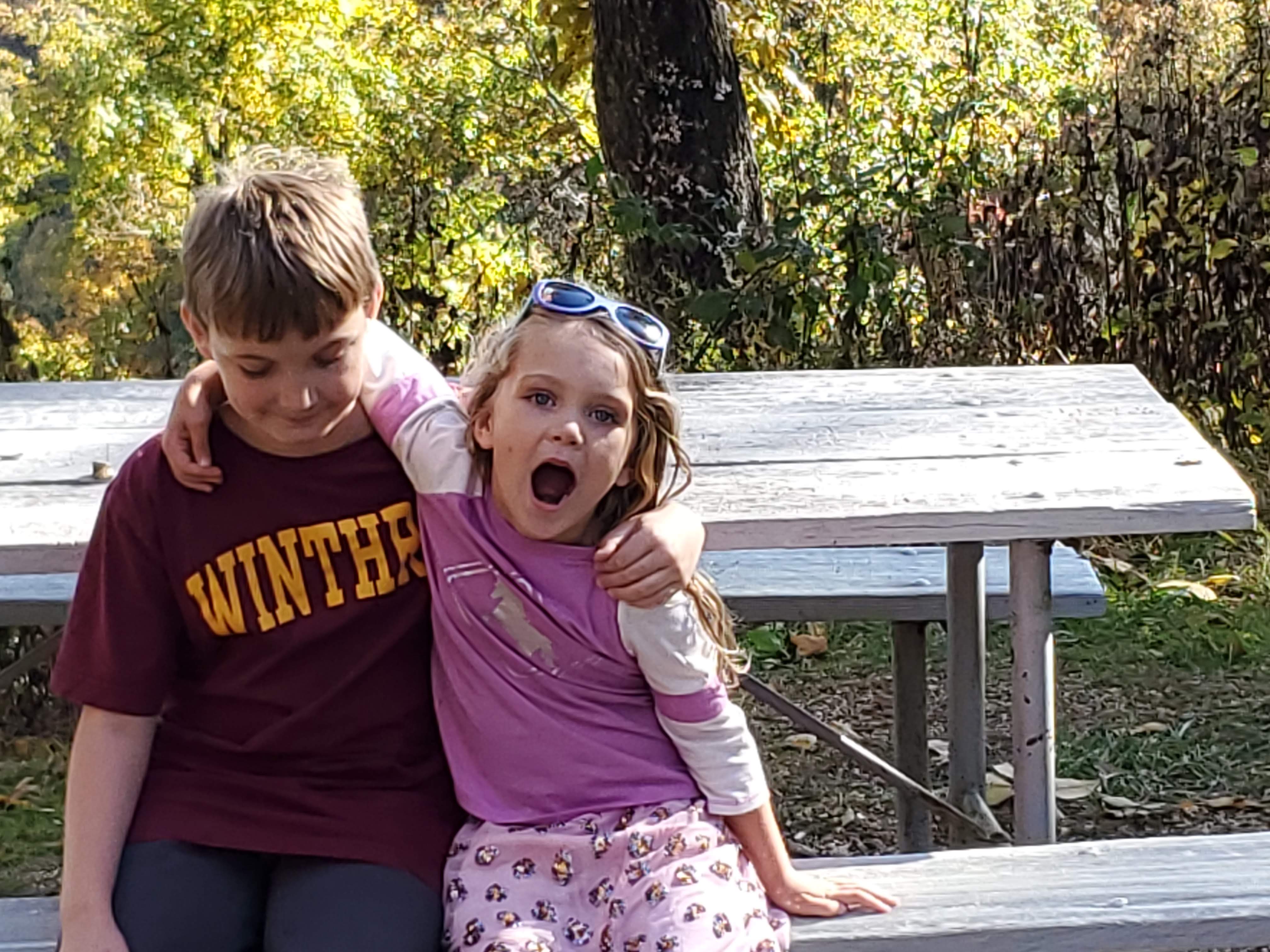
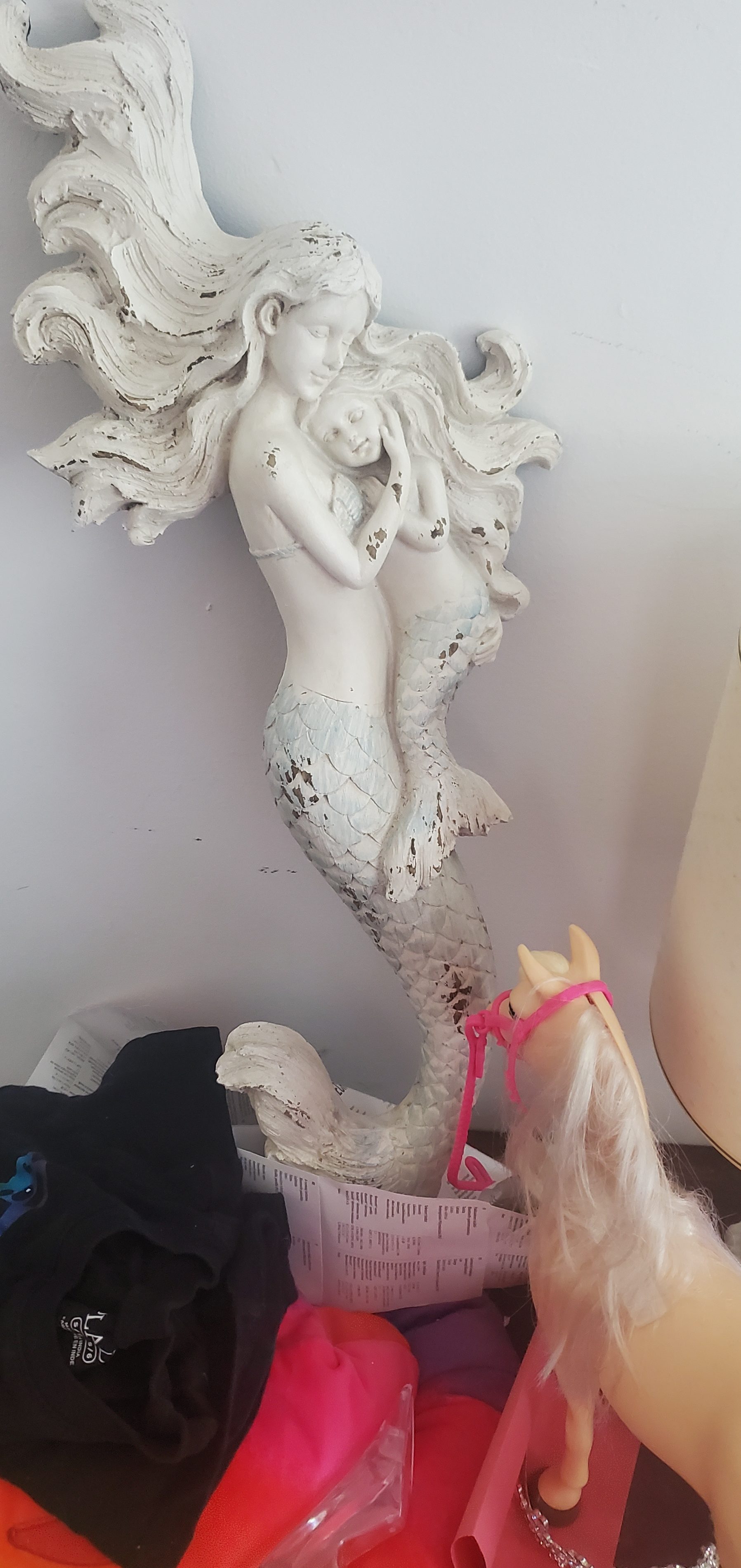
When I write that grief is a journey, is doesn’t mean we throw our tears out to the world or cry in the closet all the time. It means we must walk on a path no one else can take. Although my husband also lost a daughter, he walks a different path of grief than I do. We’ve come together at certain points to understand each others’ boundaries. For a marriage to survive the loss of a child, this is extremely important. I learned that I could not have John read what I write about grief and Corrie because it would take him right back the moment we lost her and what we’ve lost.

So, How do We Survive this Journey?


The only way to answer the question of this section is that it varies person to person because we all grieve differently. I’ve stumbled and fallen on my face several times in the two and a half years, since Corrie departed this Earth. Other bereaved moms tell me I’m still new in this journey. I’m still a freshman.
They’re correct.
In December of this past year, something hit me hard. It hit me like a punch to the gut, and I spiraled into the worst depression in a long time. As I wrote in my last blog, there was deep concern in my family that we wouldn’t have a Christmas.
I teach middle school, I’m still a mother to a 12-year-old son with autism, and wife of a recent colon cancer survivor. Most teachers, to whom I’ve spoken, who lost a child like me left the profession or went to a different location. Some left education for a short time.
People offered different advice, but in the aftermath of losing a core part of yourself, all roads seem to travel nowhere.
I continued teaching, and by December 2022, I only then had an opportunity to begin doing self-work after my husband’s battle with cancer because the cold reality is:
Many parts (I’d almost say most) parts of the world will not care that you are grieving, whether it’s the loss of a child, spouse, or other. The world will judge you as if you’re the same whole person you were before loss, and you’re this and that.
But, there is hope. Even if you’re newly bereaved, or you’re only now grieving after several months or years, there is hope.
There’s what we can do, when we’re ready, and what I hope society might do in the future.
I made a decision on December 22, 2022. I decided to rebuild my soul, mind, and body with the spirit of Corrie beside me.
What I Stopped Doing:
- I stopped drinking alcohol.
- I stopped writing poetry and memoir (for a while). (There will come a time when I’m ready to write our 2020 memoir again, but not isn’t it.)
- Stop any mindless eating.
- This one is a work-in-progress. Work to care less about what other people say, because they might wear those bright new Converse shoes while I wear those mud covered tennis shoes.
- I stopped believing the negative thoughts about myself, whether from me or others, as fact.
What I Started Doing:
- I didn’t stop writing. I started journaling about what bothered me, my goals, diet and exercise.
- Knowing the power it had in a different part of my life when I’d struggled, I recommitted to Yoga.
- I walk the paths my husband, John, started mowing for me in March 2020 again.
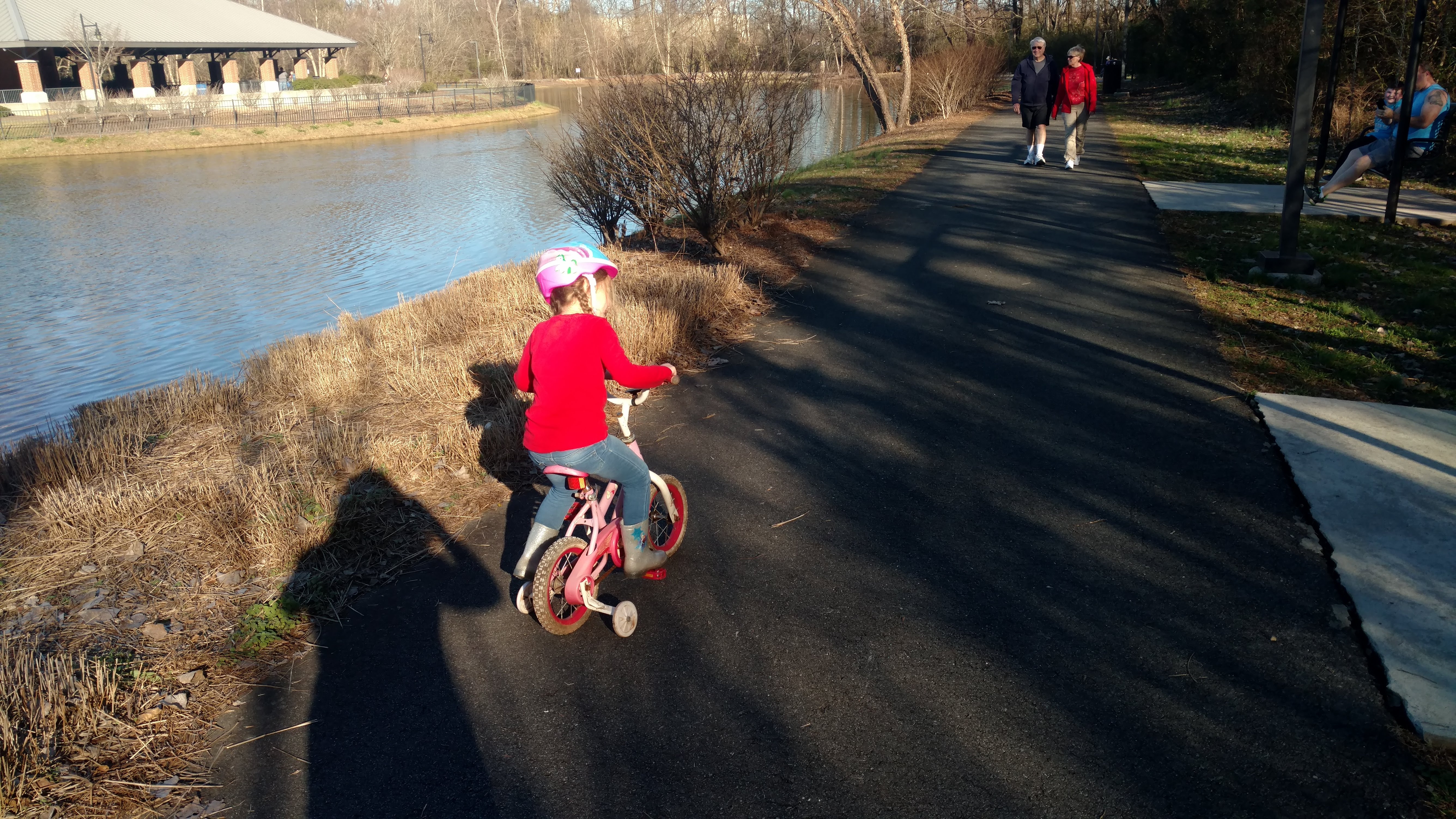

4. I’m using the FitBit again to help motivate me, and keep track of my steps, stress, heart beat, exercise, water intake and diet.
5. I recommitted myself to the Mediterranean Diet, which I did as a way of life from 2018-May 2019.
6. I started reading books I knew would help me, such as Yoga for Grief and Loss by Karla Helbert. She’s a fellow bereaved mom. By her admitting that it took her ten years to write the book, I realized that maybe I needed to pull away from Corrie’s memoir and poetry for a while. (I never stopped writing.) It was easy to write in the first year after, but became harder with time. The memories remain bright.
7. I started rewording or deleting negative phrases I’ve heard or read over the past two and a half years, and reclaimed my personhood through a new language in my journals.
8. I accept my memory and control of focus is much weaker, since Corrie graduated to heaven. This is a part of grief. I started reading books, although I still lose focus in trying to complete them. It builds my focal muscles.
9. I started listening to Emily Graham in After Child Loss on YouTube. Her words have helped put a perspective on rebuilding rather than trying to force myself into a life before Corrie and John’s cancer.
10. I started (I’ve actually done this for a long time) cut off negative relationships/ friendships, or what was left of them, or put up a wall in order to rebuild this new version of myself.
11. Really, really think about what I say. This is not because I’m worried I’ll offend someone. It goes back to how much do I want to let people in on my mindset or judge me at this point when I’m beginning to build the foundation of my new self.
What I Hope Society might do in the Future
There’s what is in our control, and what is out of our control. We don’t control the future, when disease comes, or loss arrives at our door. Sometimes we, the bereaved, can’t change other people’s minds, and we’re the ones they want to put an X over.
Before I write this list, understand we, the bereaved, will continue to be judged as if we’re whole. We can’t change the future and often times, people’s perceptions.
Number 1: Change the language in which we speak.
Words similar to moving on are like someone saying the f-word in the presence of their grandmother to me. Because individuals don’t know what to say, they’ll sometimes say words without understanding their long time effect.
There’s the words people say in the short term like: “She was meant to be with God,” or “God wanted another angel.” When people said this to me, I kept in mind they were attempting to say something kind and comforting. I still disagreed.
In the long term, phrases such as “time to move on,” “other people have suffered, too,” “she/ he wouldn’t want you to act/ feel this way,” and a recent one I’ve heard–that I’d never knew existed until a few weeks ago–“trauma dumping.” It’s a TikTok, new generation word that professional therapists and the American Medical Association don’t recognize. While these are not all words, which have been said to me, and other bereaved parents have heard similar or worse; our society needs to change our language.
I had an individual who was, or I believed was close, at one point in time. When this person almost said, wondering about me moving on, I pulled the plug on what was left of that relationship.
My son once said, “You’re the queen of cutting people out.” Hayes said it in an admiring way.
When I’ve had to put a wall up or just stop talking to someone, it doesn’t mean I lack compassion and care. I just fail to have any room left in my life to feel disappointment, hurt or heartbreak if I’m going to raise my son, be a wife, and try to be a decent teacher.
2. You don’t have to talk about it with us if you still wish to be our friends, and hope to see a version of us again. Do something with us in the months and years after. Walk with us. Work out with us. You can remain with us, and perhaps see a version return.
3. Say our loved one’s name every now and then because they’re still relevant everyday to us. It’s free.
4. Accept grief is not an Amazon Prime process, so it’s okay to ask someone if you can help them, hang out with them, or do something with them long after the casseroles are gone.
If you have lost someone you love, please know you’re not alone. Reach out to me if you need someone with whom to speak. Compassionate Friends is a great resource for those who’ve lost a child. They also have groups on Facebook. The SUDC, Sudden Death in Childhood, is another one if you, like me, suddenly lost your child. Corrie died from an undiagnosed, benign tumor for which we will one day seek research. If you are suffering and you feel alone, please reach out. Your loss, pain and trauma matter. Your loved one still matters. I don’t endorse terms such as trauma dumping when it comes to anyone who has lost someone they love, witnessed death, or both, and anyone who has fought or lost friends/ family in war, or other similar situations. Call or text 988 if you feel suicidal.
Never walk alone. I’ll be here long after the casseroles are gone.

 Corrie's Season
3 thoughts on “A Journey Long after the Casseroles are Gone”