
I never wanted to invite people to our house.
I never shared pictures of our children with certain parts of the interior as a background on social media.
That is all before May 27, 2020.
The decision had nothing to do with being unfriendly.
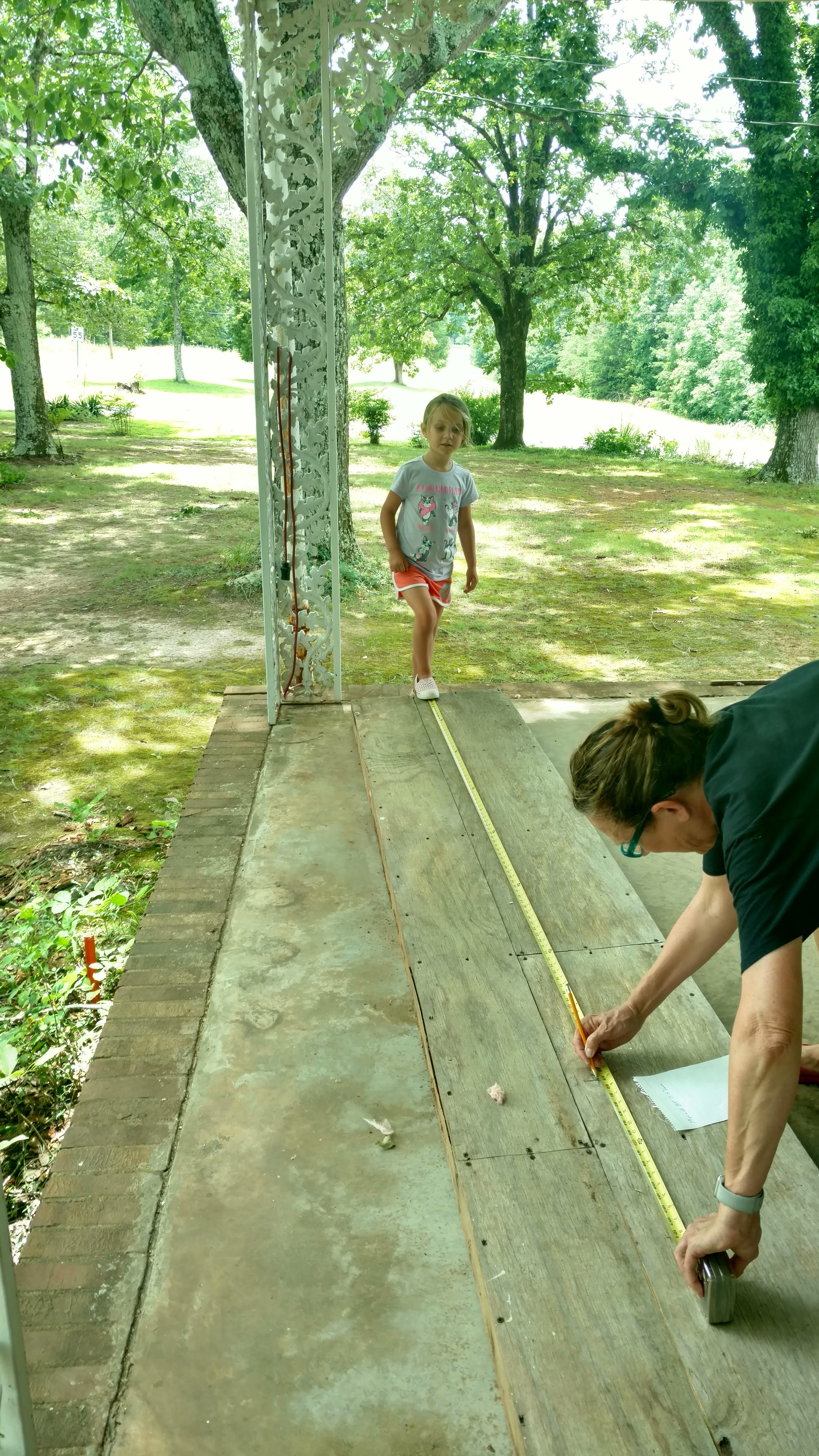
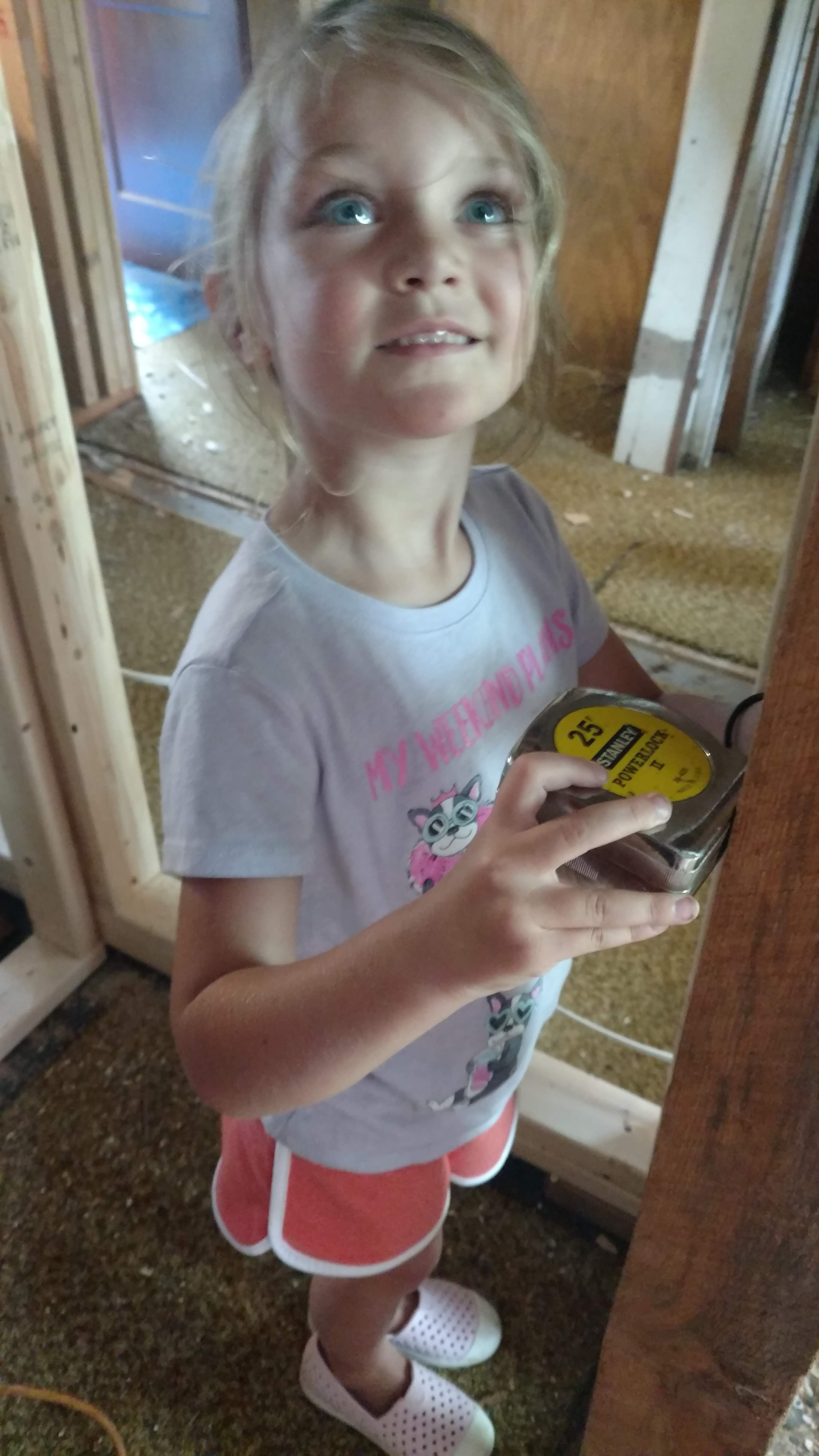
In 2019, we’d inherited a century-old house that my husband, John, and his father last renovated in the 1960s. John had started interior renovations in April 2019, but the original structure did not have any insulation. John started demo of the walls in Corrie’s room, a new master closet, and downstairs to add insulation.

Why do you care what others think?
John, Hayes, and I never fit in to any place in society. We had–and have–friends, but before Corrie was born on December 10, 2014; I learned to compartmentalize all areas of my life. I tried to think strategically about what I shared and did not share because walls do have ears. I shared very little about our story and our home because we’d already faced enough judgement from the time John and I chose a life together:
- a marriage in which we’re thirty-two years apart and made tough decisions for our happiness,
- dealing with job loss and finding our places in the work force,
- raising a son with autism and ADHD,
- John choosing a non-traditional role to retire and attend Hayes’ doctor appointments,
- my own atypical brain,
- trying to help Hayes navigate social waters that included fears of empty chairs at birthday parties between the ages 4-9,
… but my biggest fear was being unable to help John provide for our children. There existed a fear in me, despite my A grades during graduate school, something or someone would block me from earning that master’s degree.
The actions Corrie took in her life challenged me to push my personality back out into the open. The full range of my personality often only showed with my children and students in the classroom. I attempted to button it up in a straight jacket once I was around other adults I thought might not get it. Corrie’s death forced me to confront the mother I knew she’d want to live.
ouR PLACE OUT OF PLACE
As an English teacher, I often discuss with students how setting reflects the characters. In real life, the power we gain from our darkest hour often reflects the places that touch us the most.
After Corrie died, our world burst open in a tsunami of people coming to the house.
I never blamed them if they freaked out driving across the state line down a gravel road where cell phone service dropped.
I never blamed them if they were nervous when they passed the farm/ woods where goats were on a leash outside a fence chewing the grass.
I never blamed the loving and amazing people I work with when they brought dinners last summer if they thought:
I adore Becca, but I’m not coming out there again.
Let’s be clear. No one has ever said the above quote to me, but I would not blame them. I admit my own self-judgement is affected by the fact I had been raised in a suburb.
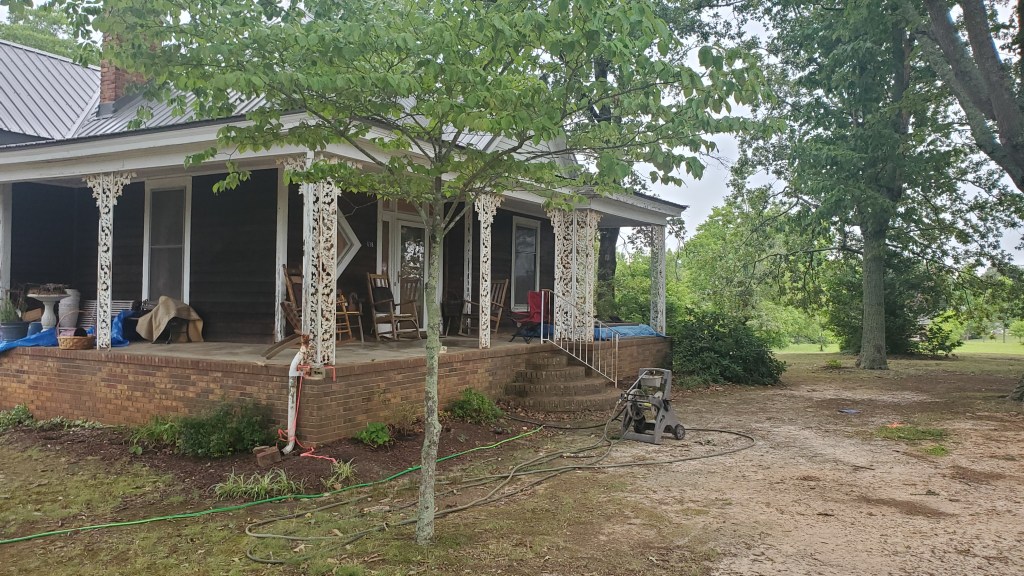
Our house and land reflects a beauty you can’t find in the custom created neighborhoods of tan and gray houses. You don’t see it first. Maybe you don’t see it at all.
Our family, our house, and land is the stuff of which Southern Gothic writing is made. Only there is a new beginning at the end.
I thought about this before writing this longer blog about how our home reflects Corrie and our journey as a family. Last year, I wrote a poem called, “Going Down Roads with Corrie,” currently unfinished, that reflected the trip across the state line to our house.
Drive past the mobile home
on Love Valley Road that
burned down years ago, and
its foundation’s skeletal decay
rests between the grass, a
bicycle handle and dandelions,
a baby angel kneels above a
cracked bird fountain with a
base driven into the ground.
excerpt from “Going Down roads with corrie” by rebecca t. dickinson
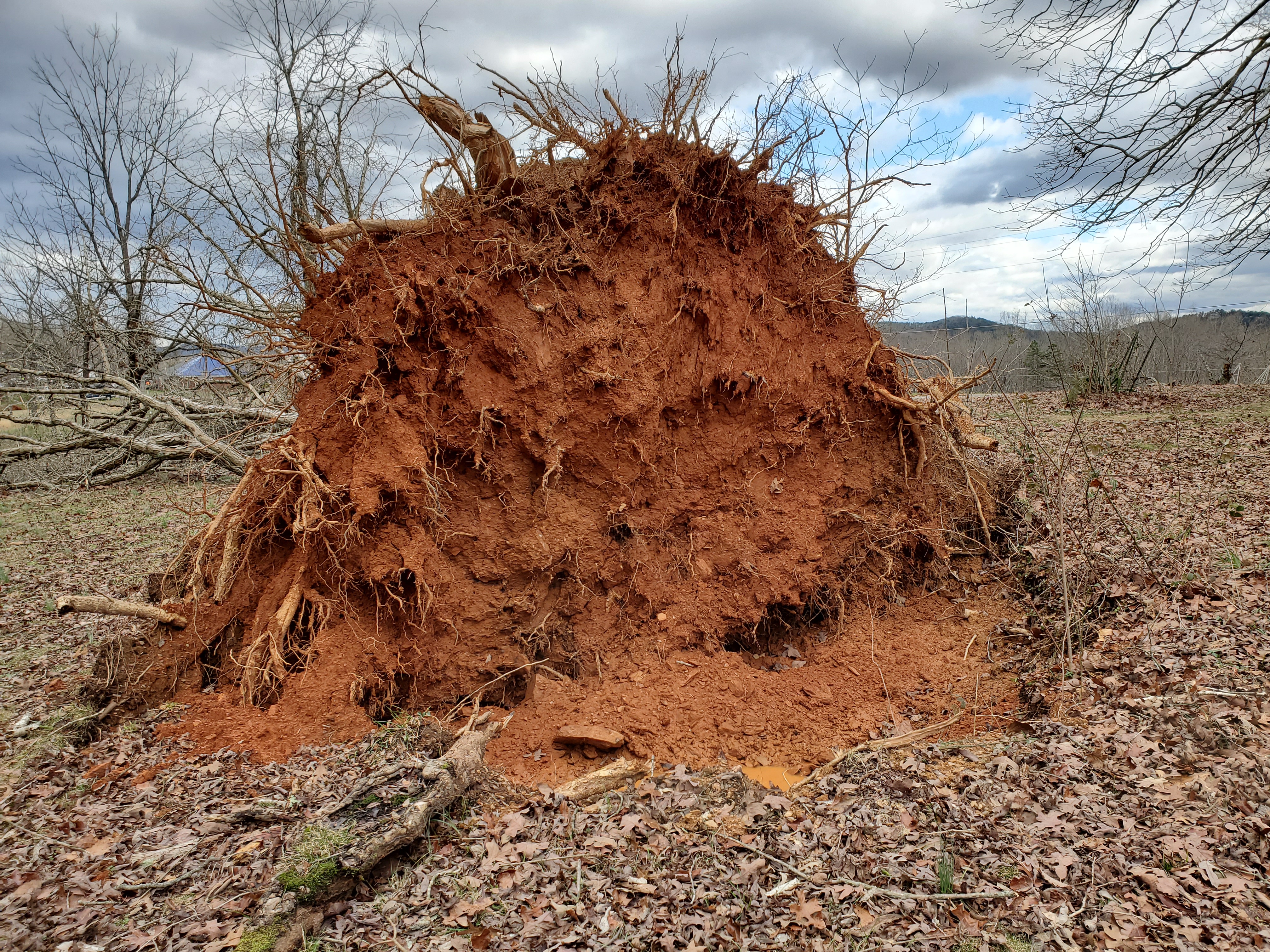
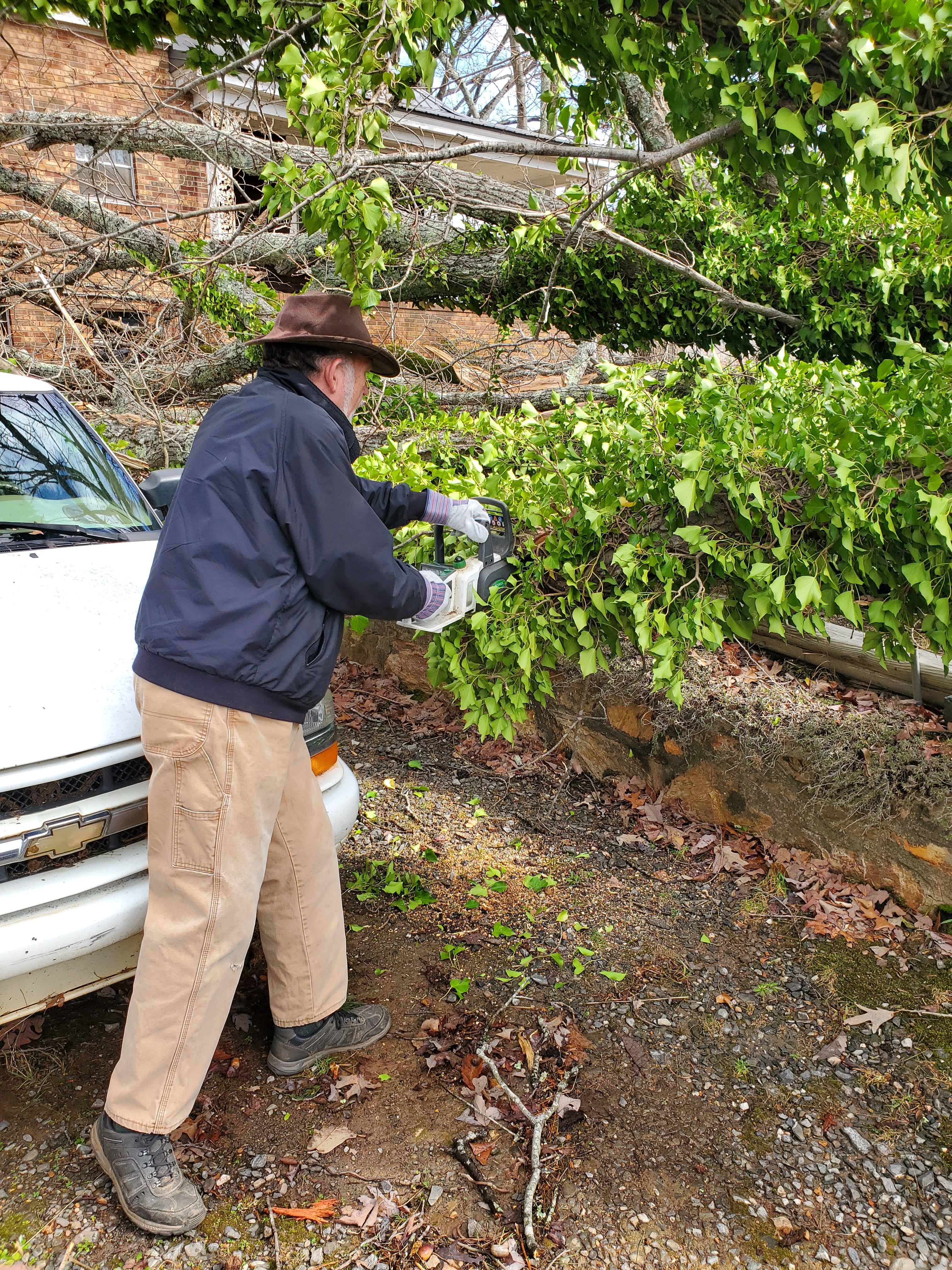
Like the mobile home that has remained unchanged, we had to put off progress John had made inside the house within a very short time when the tornado hit the farm in February 2020.

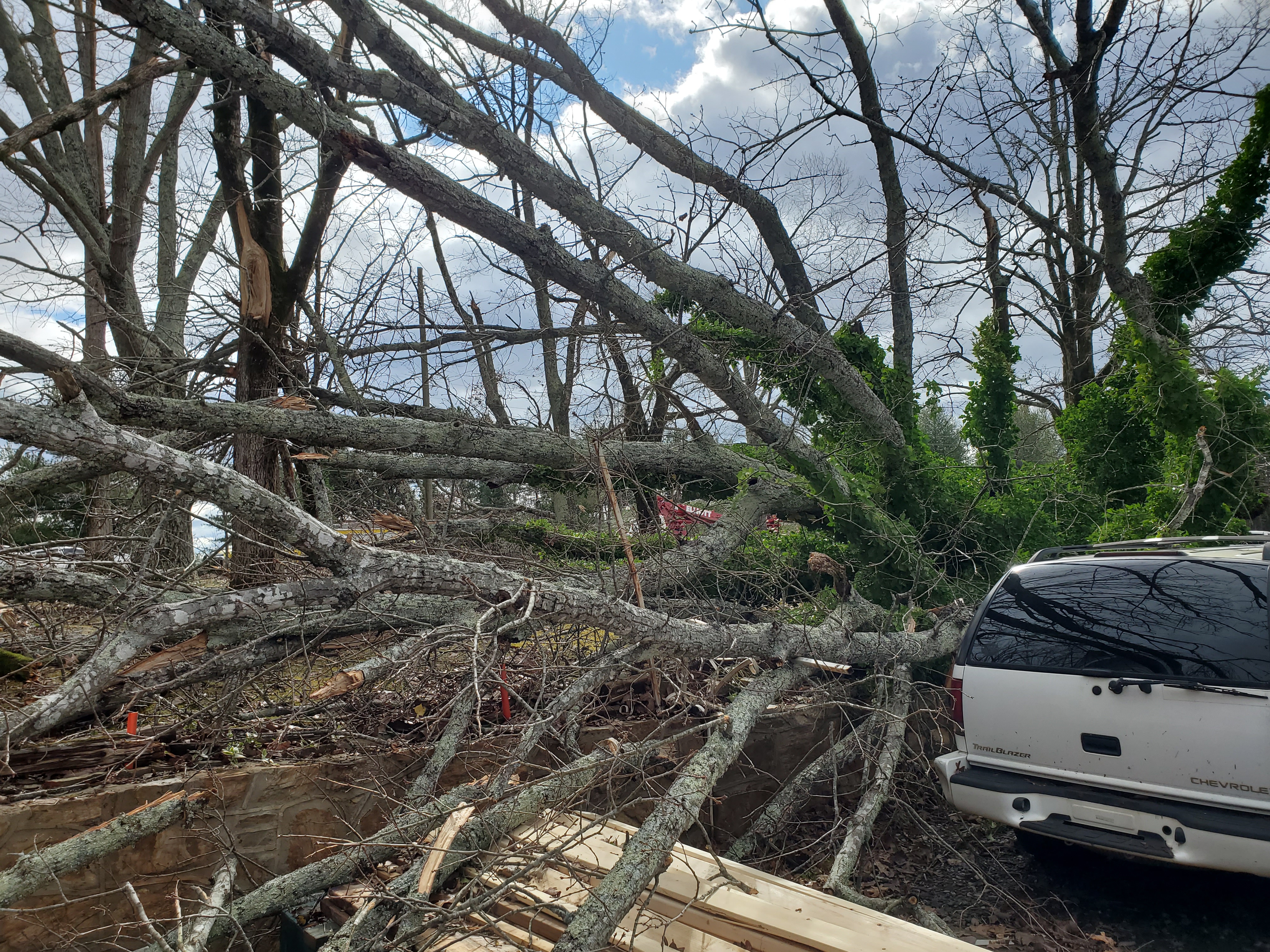

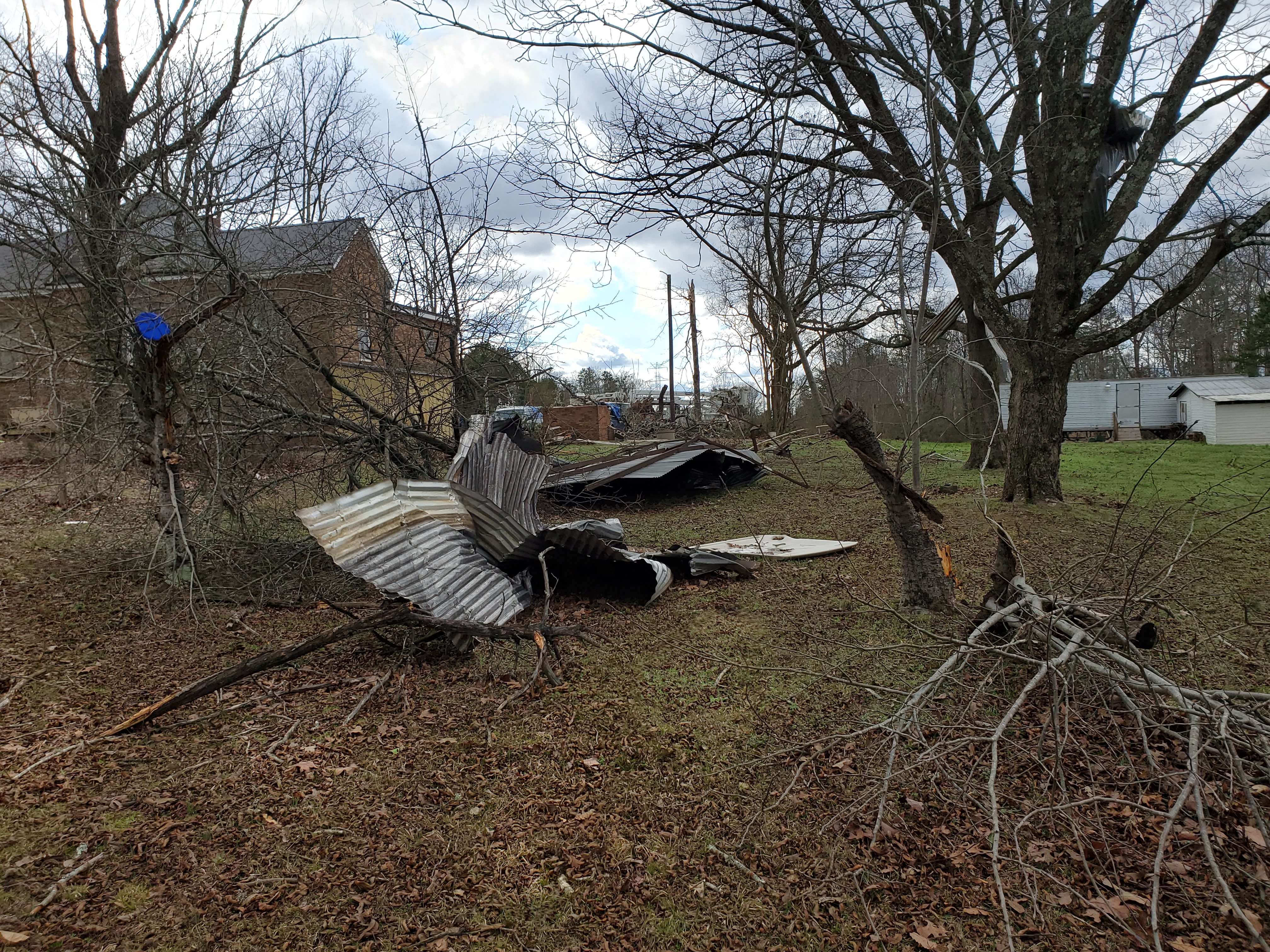
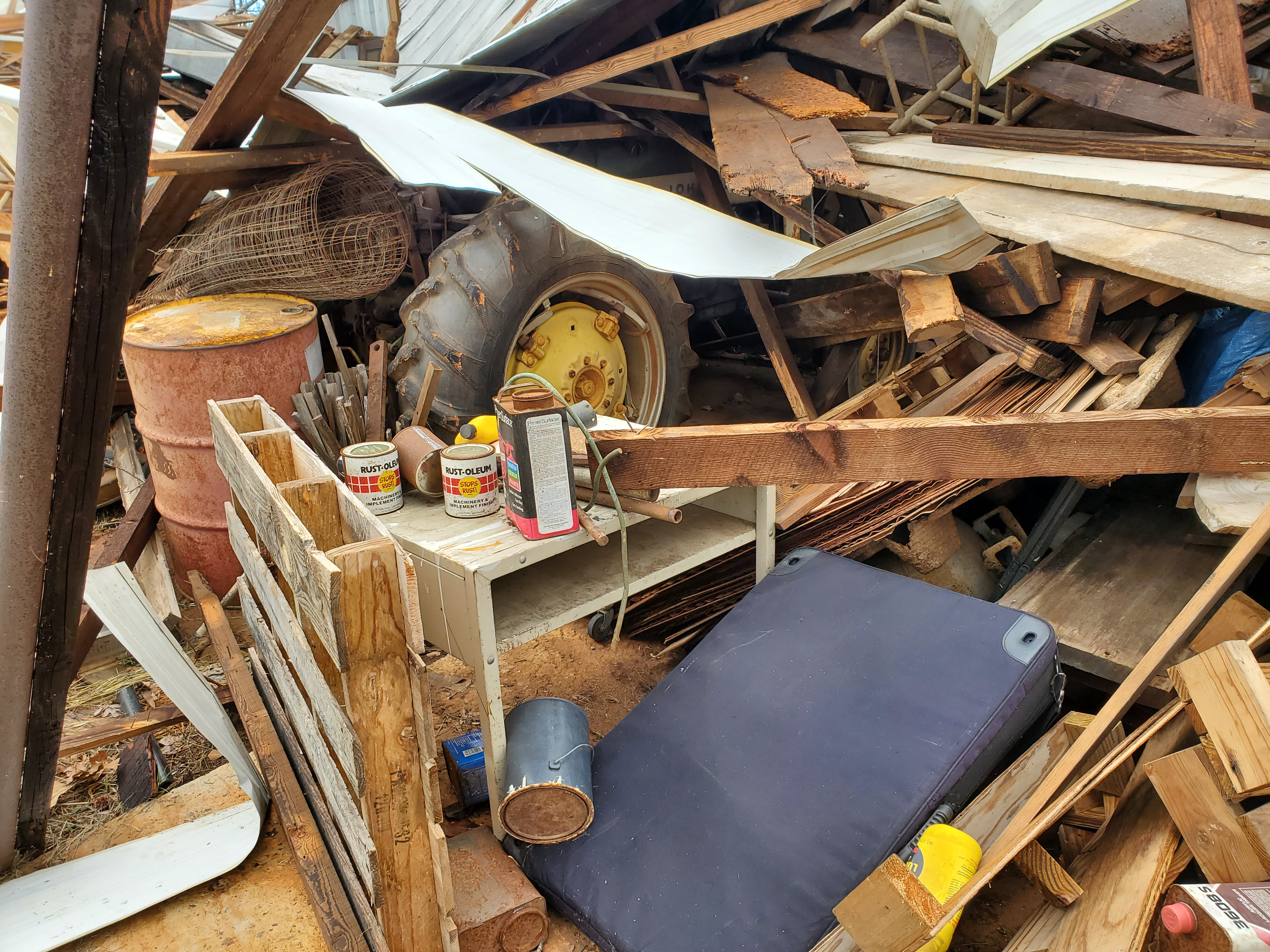


we were survivors
As the house and land have survived storms, my family understood the role of love during times of survival. While 2020 became that for so many, it was the story of my family and our home.
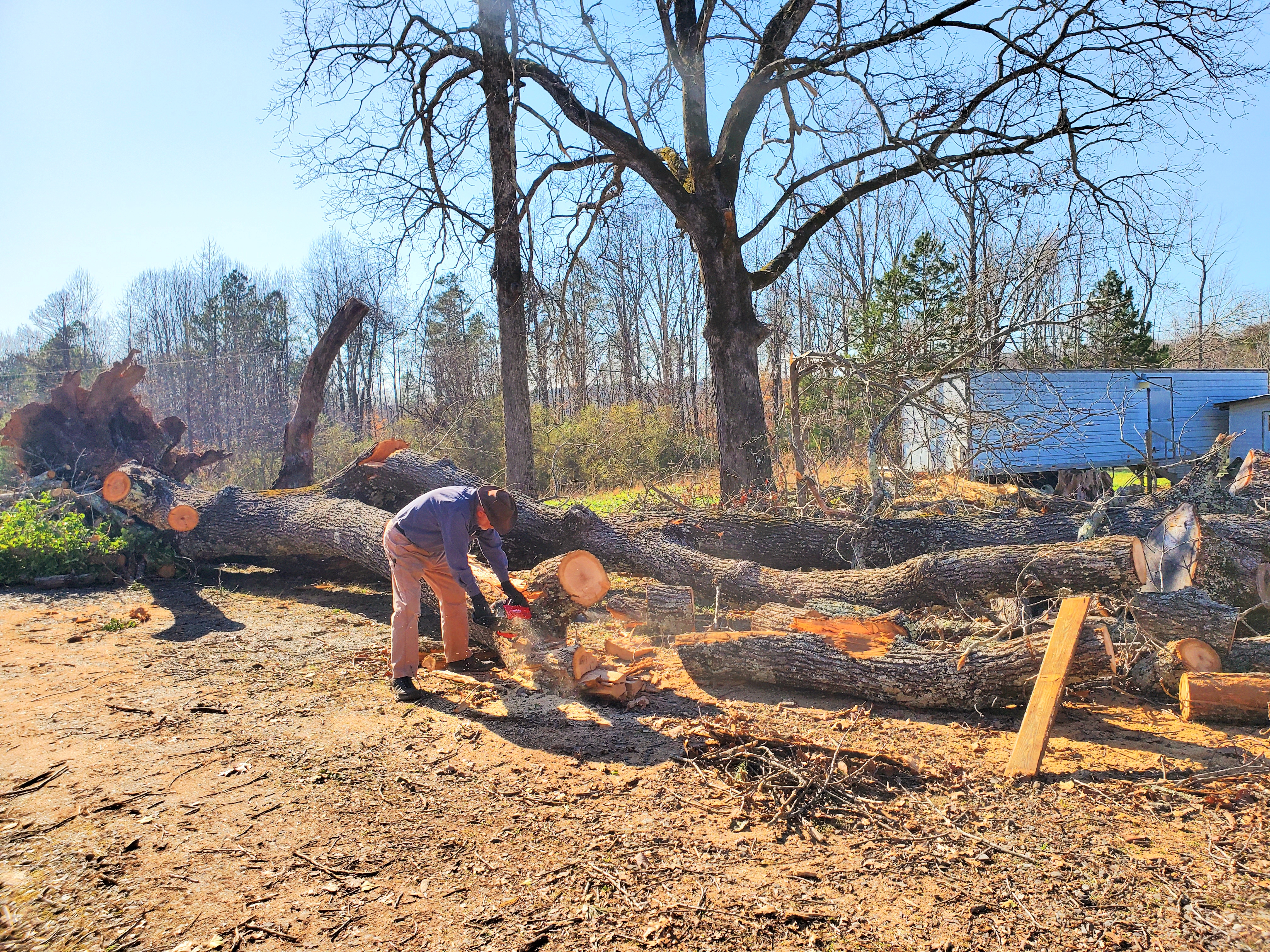
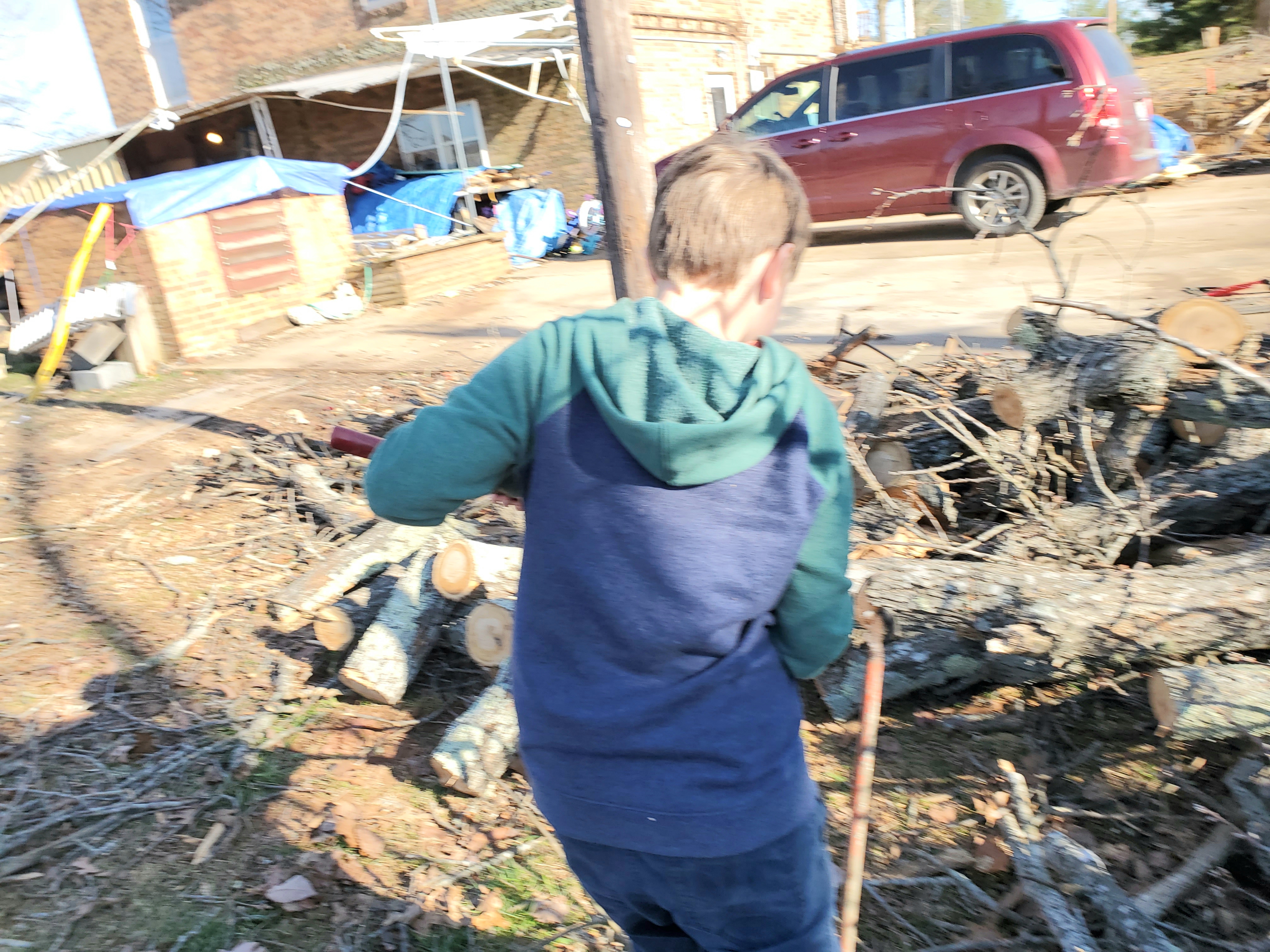
To this date, more than one year later, we’ve still placed the priority on the outside.
This is the way of my husband, who has survived hard times and tough decisions.
This is true of the home his parents loved and into which they poured their lives.
Through our decade together, I had to learn to disregard what others thought. I had to shed the idea that other people’s judgements somehow mattered.
I had to learn there are some people’s whose minds will not change, even with a death.
I had to throw away the slow, slow, slow, slow steps of reconciliation in some aspects of our lives in favor of my son’s happiness and survival as a preteen and teen in the years to come and for my husband’s health.
We buried a child. We had to learn to walk our journey of grief, and accept that we no longer had the energy to suck up to others forever holding us to transgressions of the past. People would either accept us as a whole unit following the death of Corrie, or they wouldn’t.
And I no longer had, nor have, the energy to try any reconciliation when I realized my son would be forever rejected in those circumstances.
We were survivors of:
learning to walk the journey through autism in early childhood,
judgement,
helping our daughter survive pneumonia each season of her childhood,
jobs lost and gained,
and the rest you already know.
The land itself tells stories of love and loss and of survival. There is a love deeper than the roots of the trees torn up by the tornado. Lives continue past the human experience. The family of John, Hayes, and I continues with Corrie inside us and on the land.
I was horrified when a dogwood tree you could see from the kitchen, and that John’s mother loved, was uprooted.

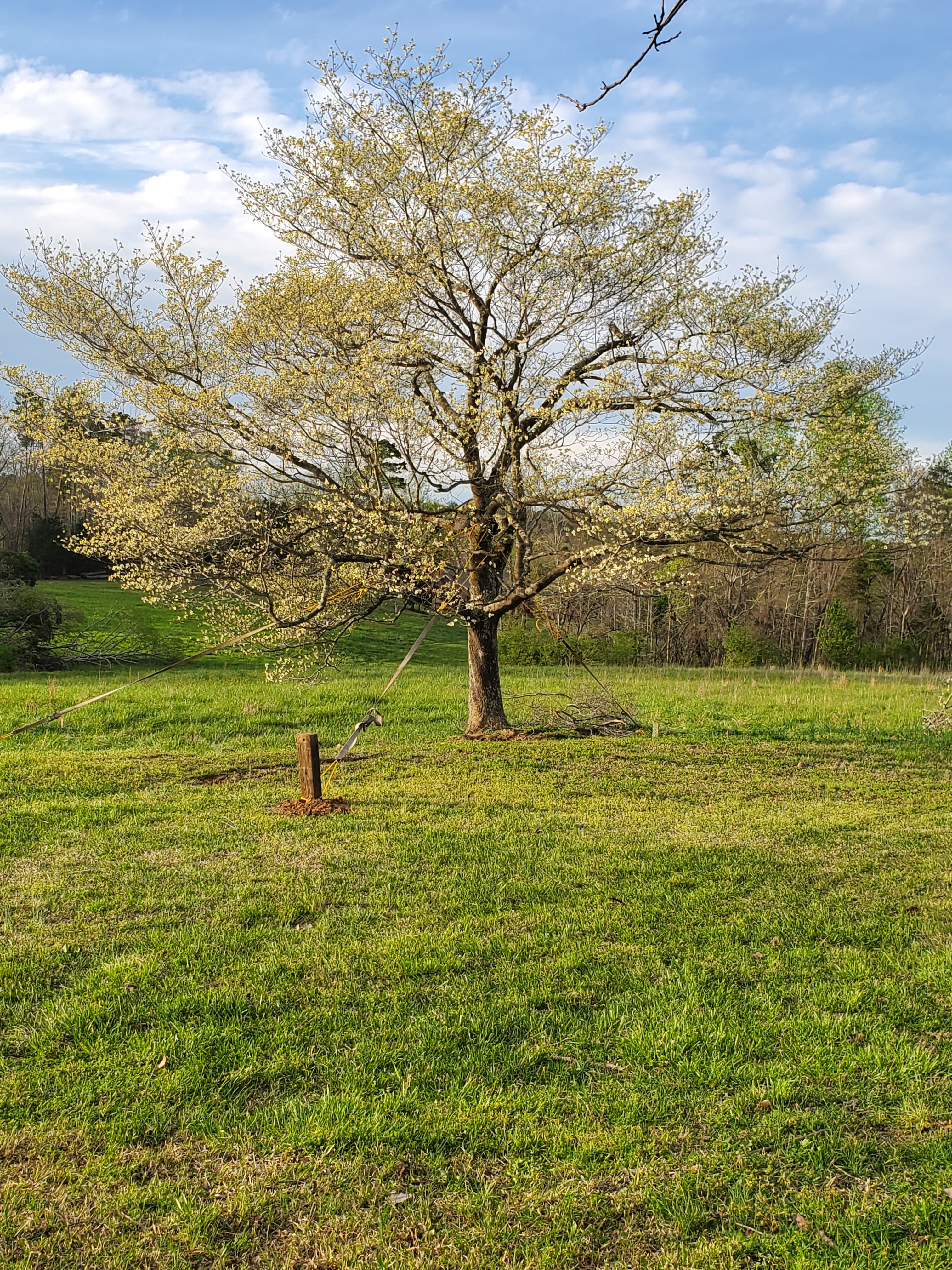
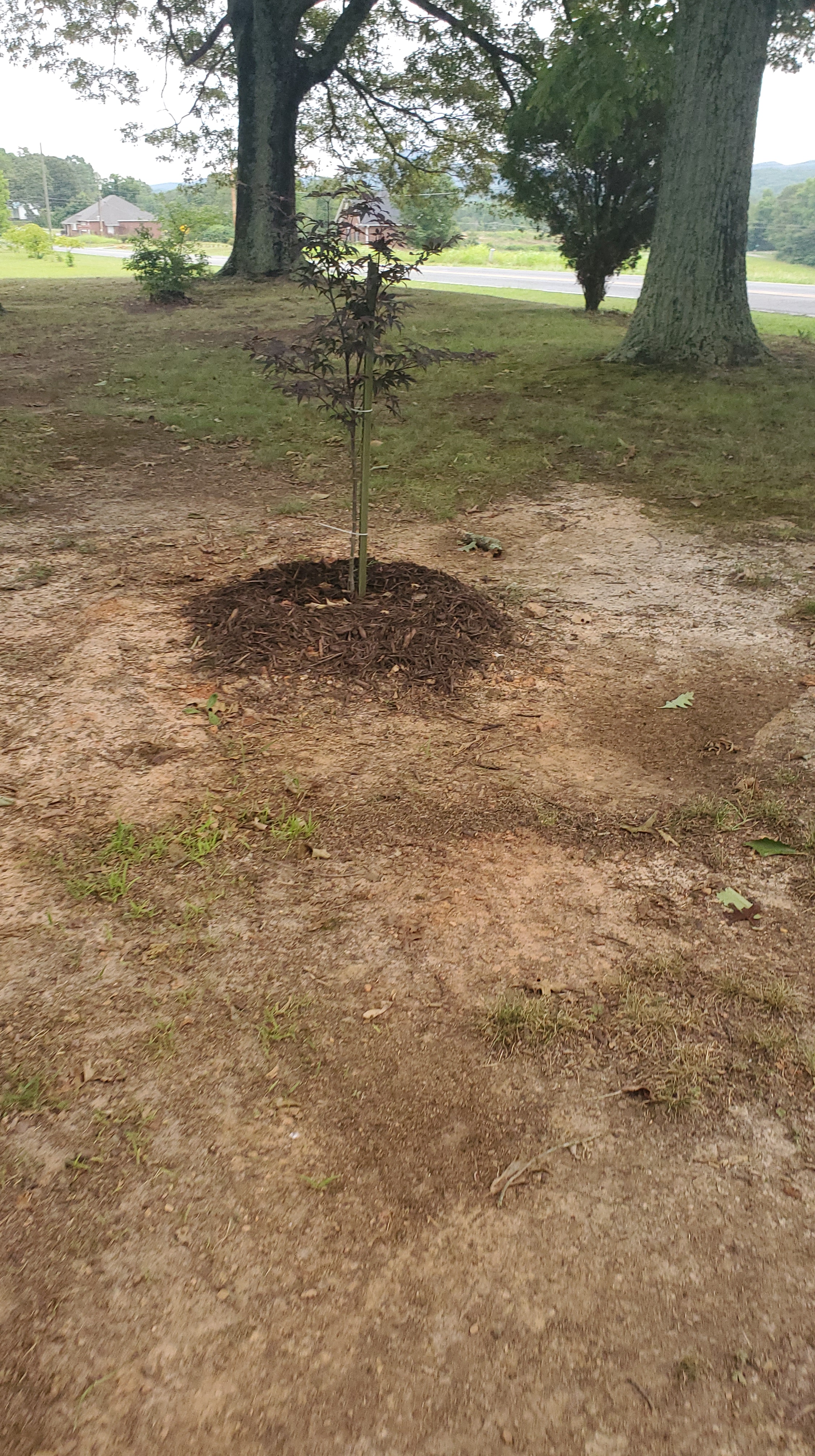
When John, my father, and some other men replanted the tree with supports, it became one of the great gifts John gave to me when the COVID crisis started in early spring 2020. Currently, the dogwood tree stands on its own.
When I walk our dogs on the land, I witness the presence of strength, survival, and love that long endures after our feet no long tread the Earth. It transcends the darkness of the Southern Gothic genre.
This view becomes something far greater than our human eyes comprehend.
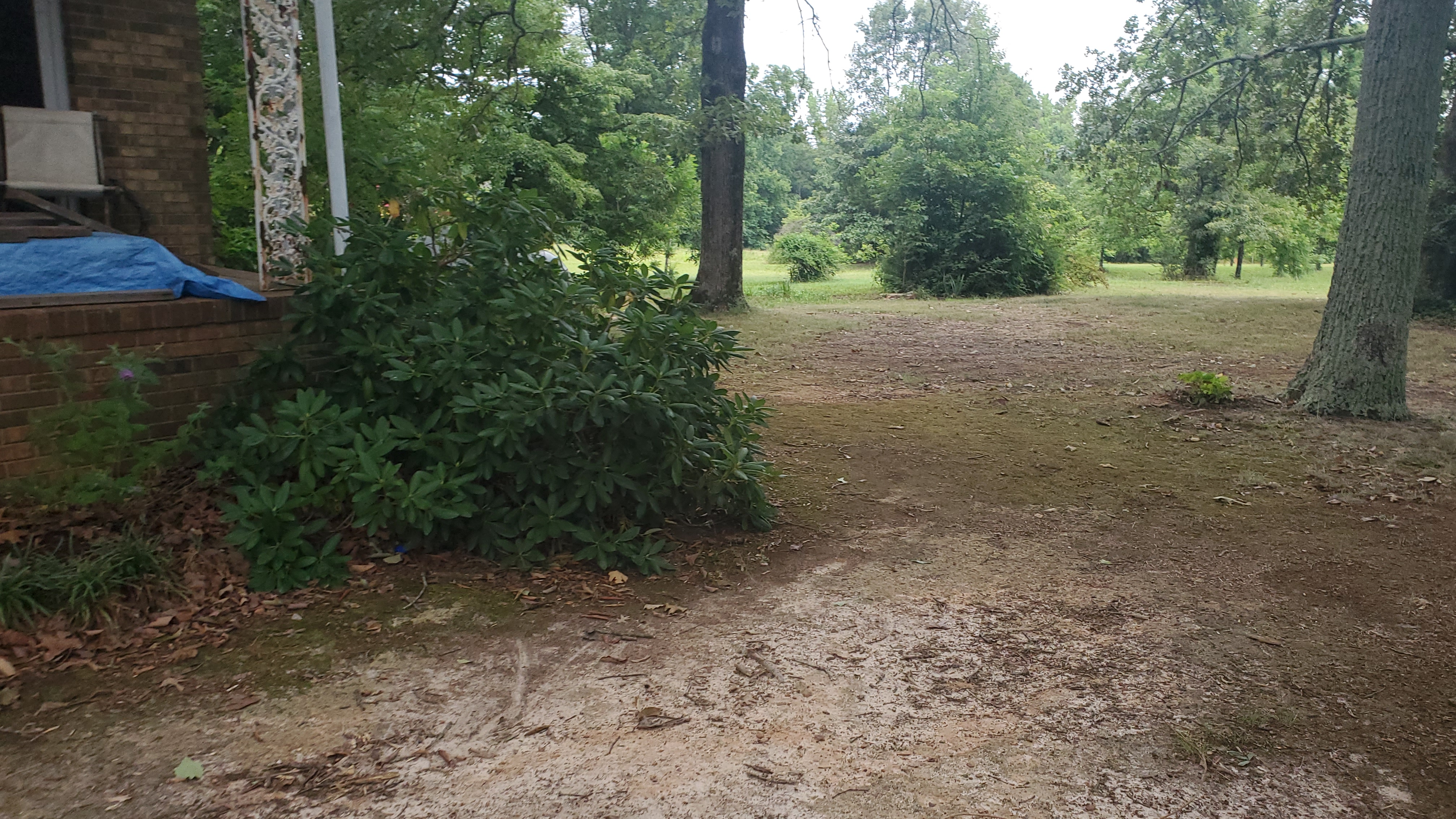
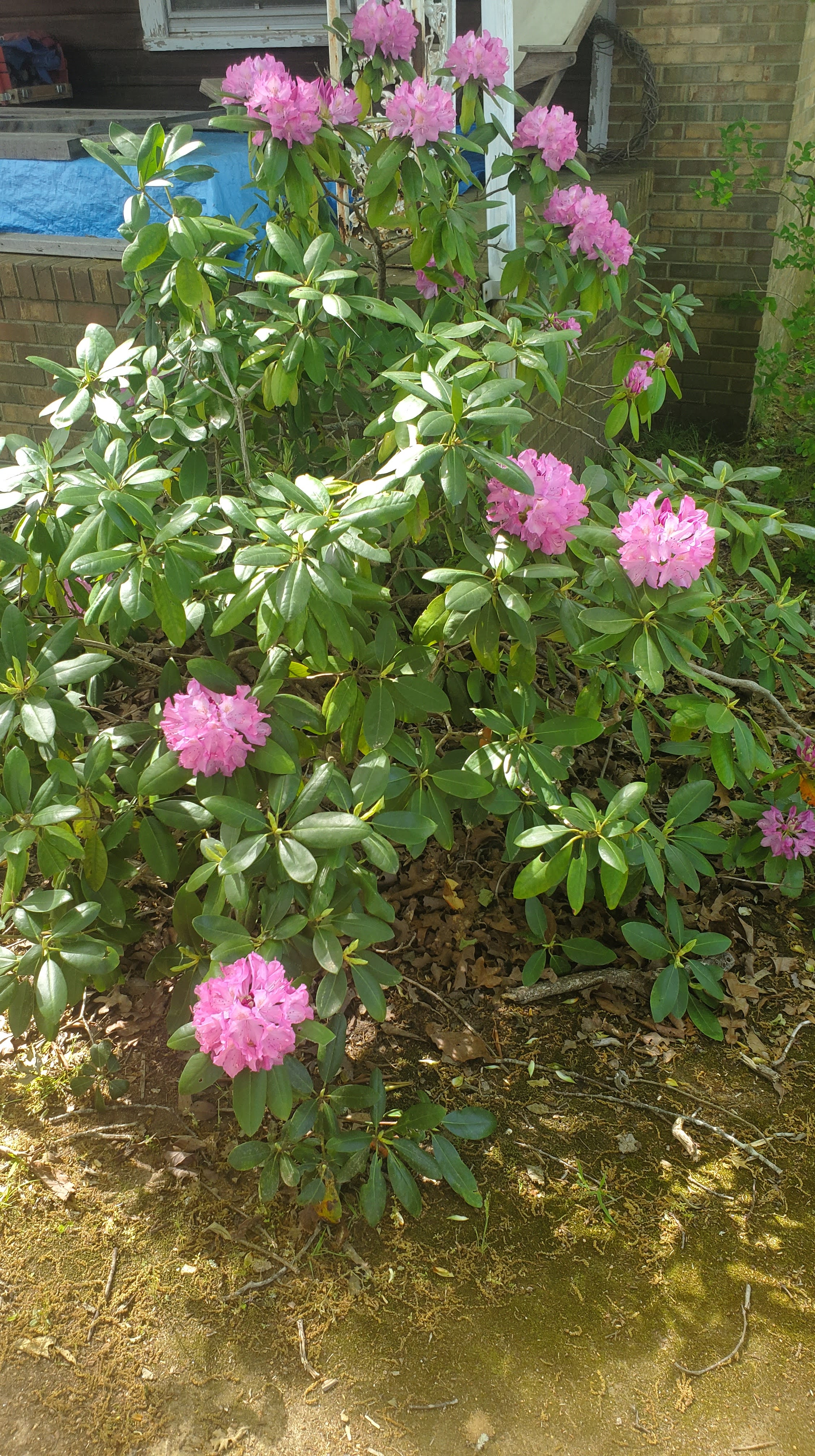
John’s mother, Barbara, planted about three mountain laurel bushes. She tried hard to ensure their care and survival. Only one survived.
I never knew my mother-in-law.
I only know her through the land. I know her determination through the mountain laurel, and understand her love of the dogwood tree.
Something powerful moved within me when I saw the dogwood tree uprooted, and believed it was gone forever like Barbara’s other mountain laurels.
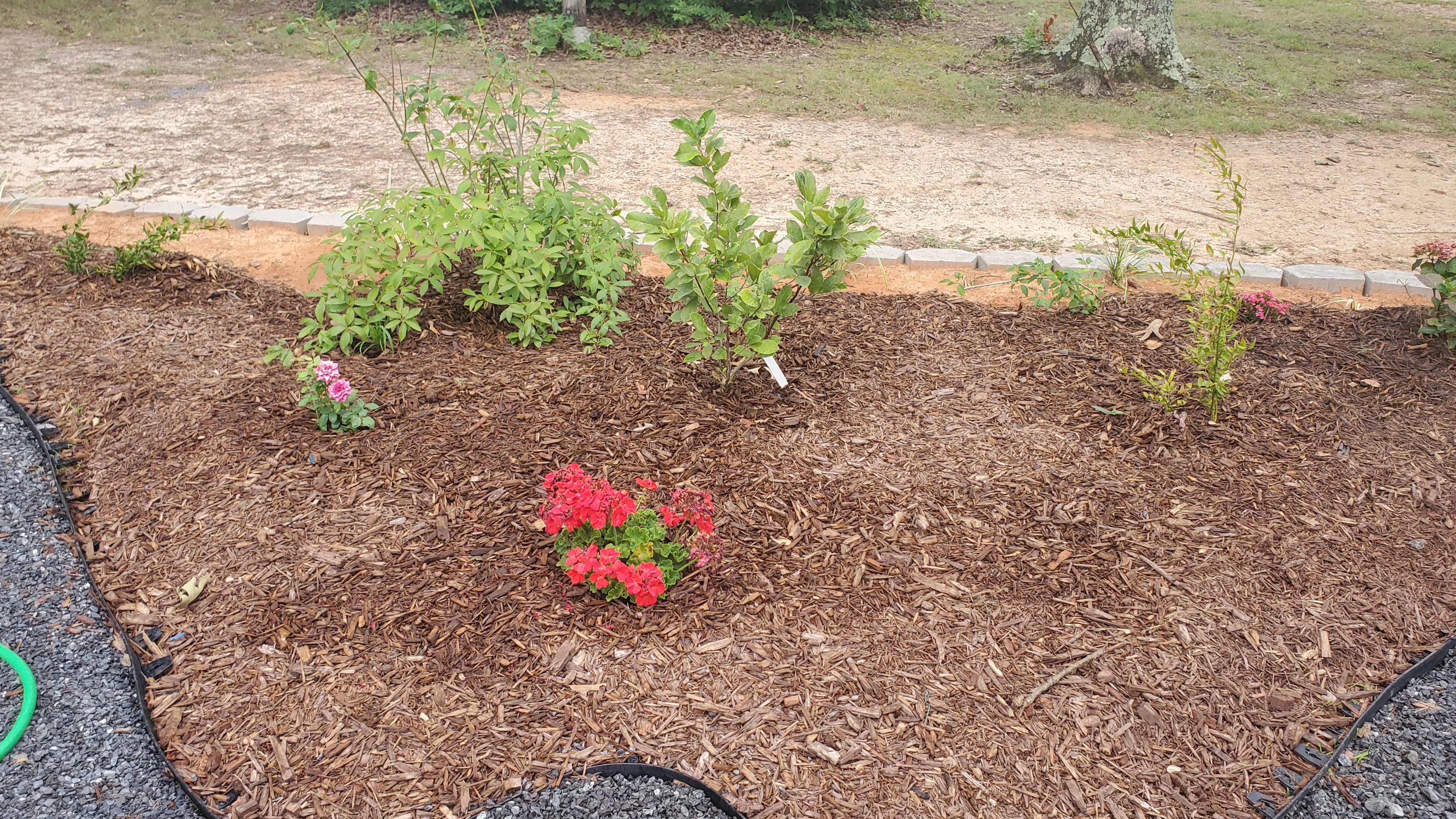
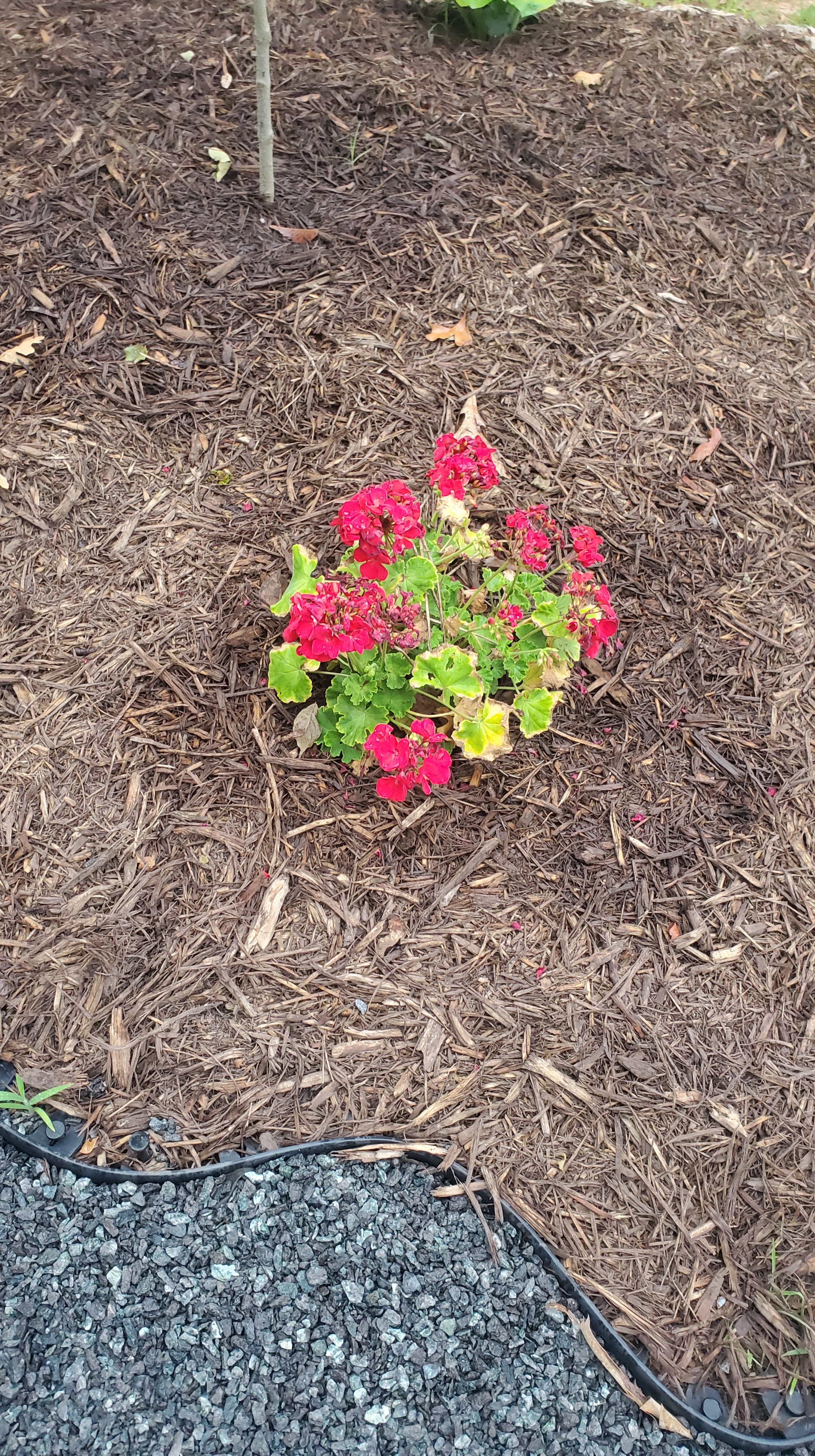
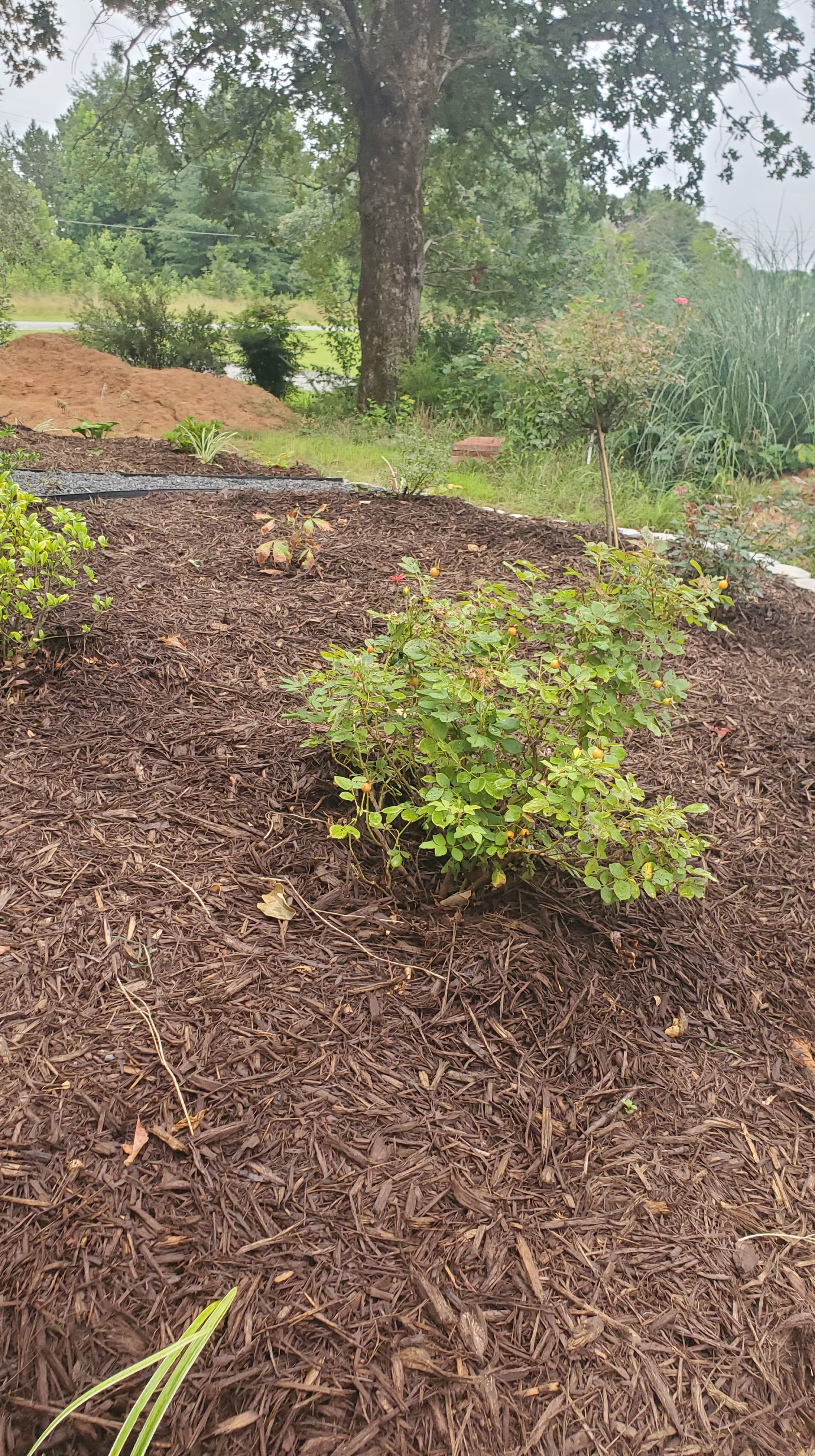
Just as Barbara sought to care for the different plants, I’ve tried to continue the tradition.
Let’s be clear. I’m a brown thumb, and my father would laugh at the idea of me uprooting weeds out of a garden.
There is a sense within me because I did not take Corrie to the doctor sooner when her stomach protruded, and the tumor was growing that I lost control of saving her.
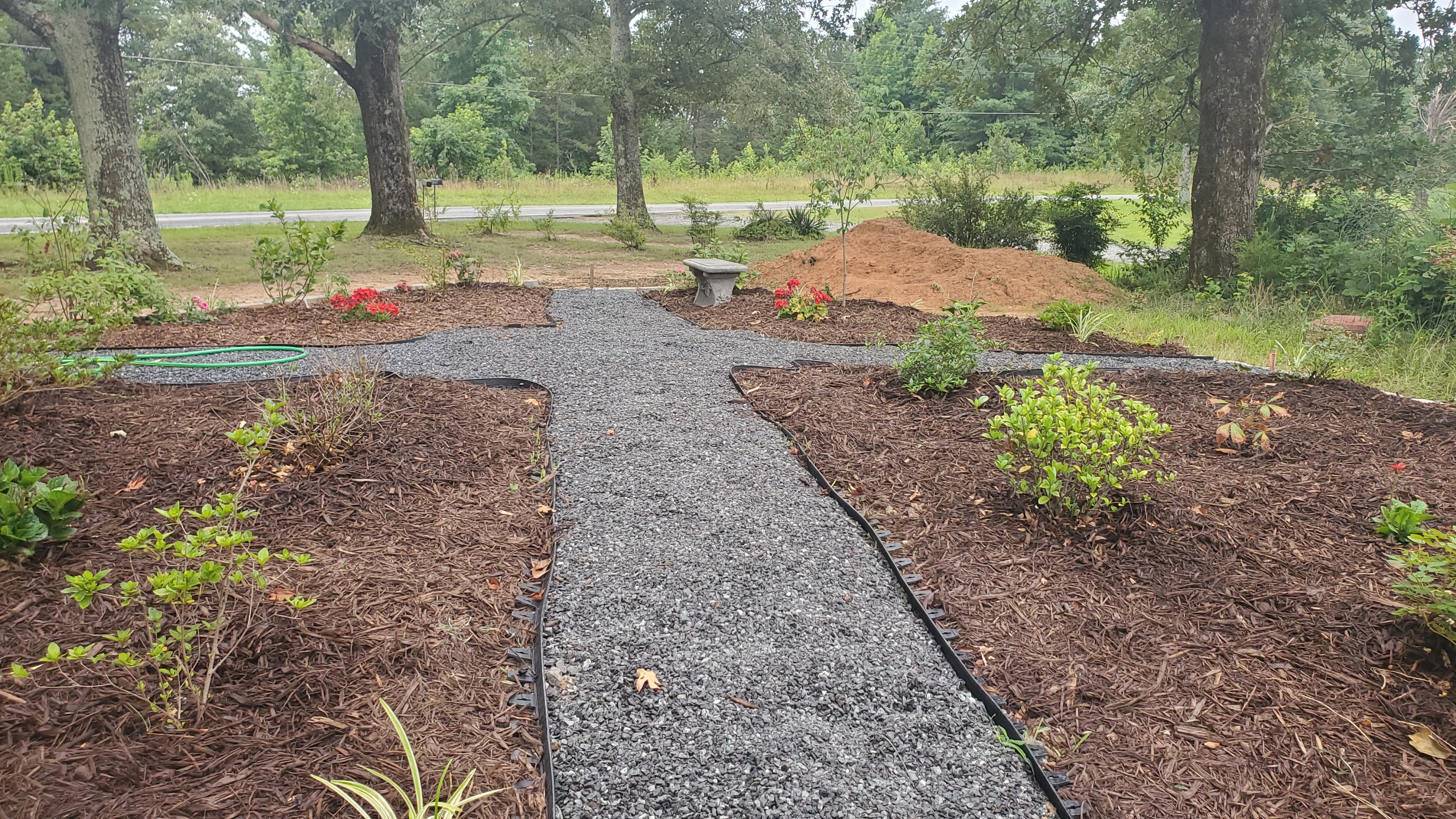
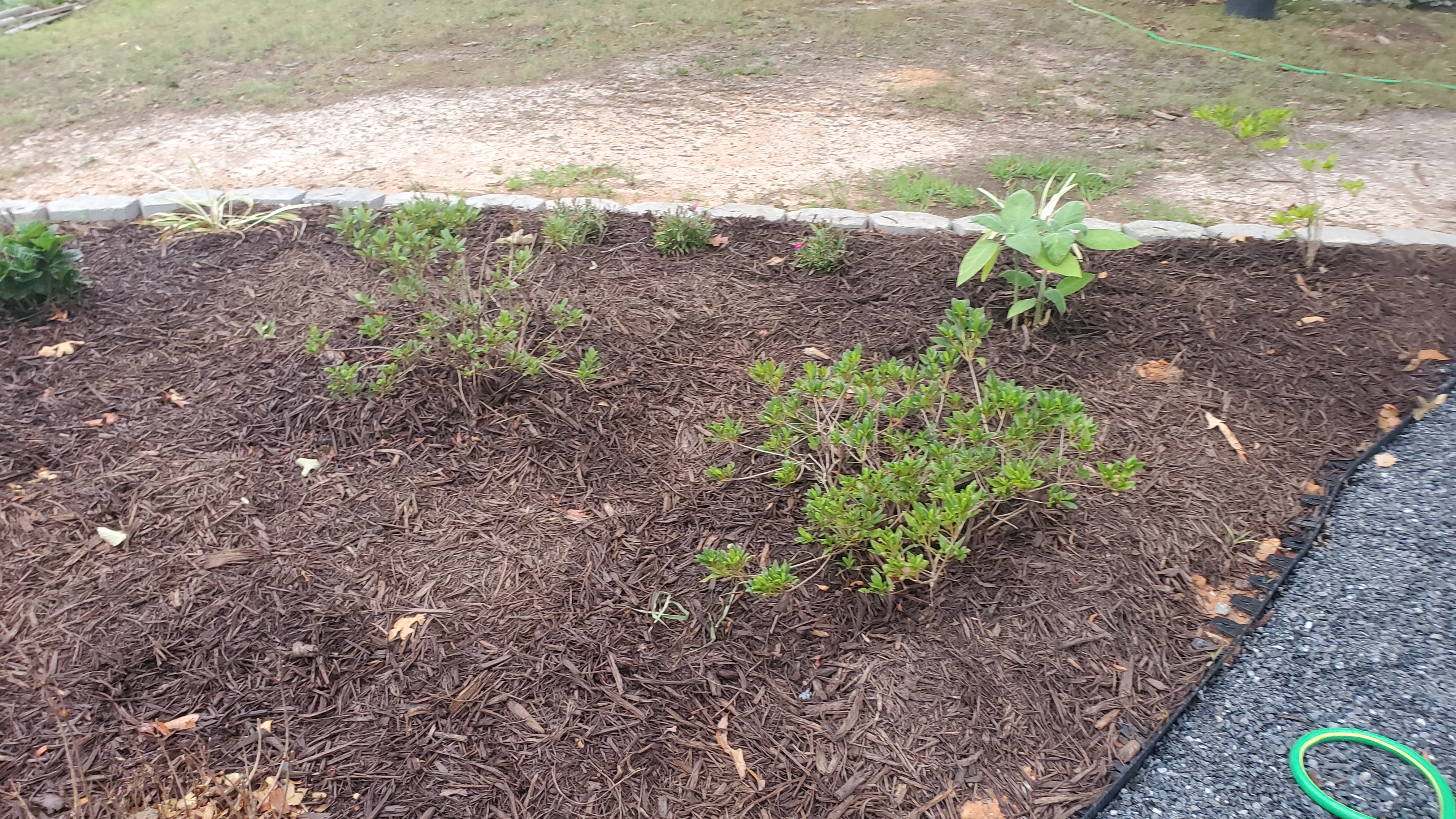
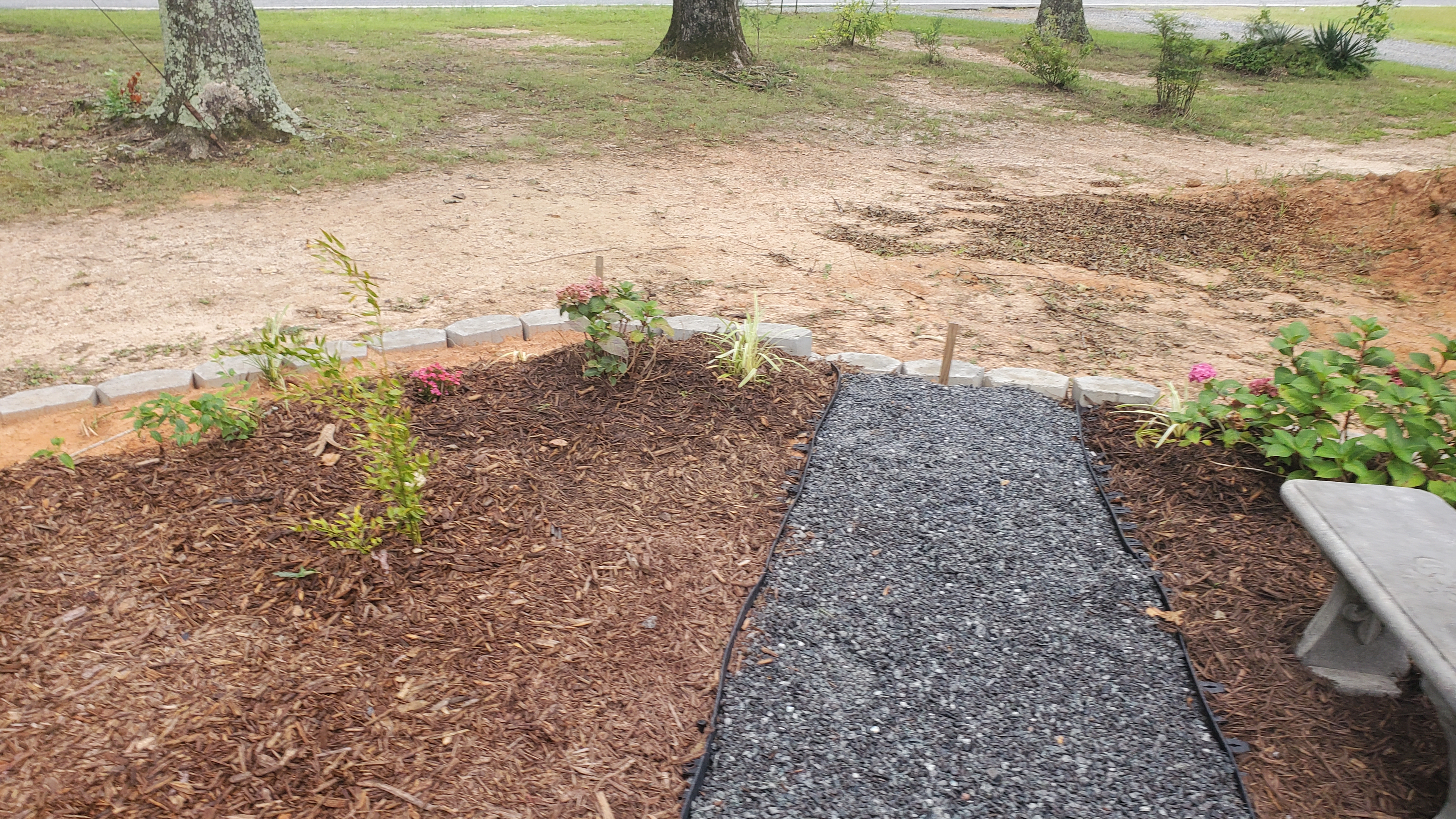
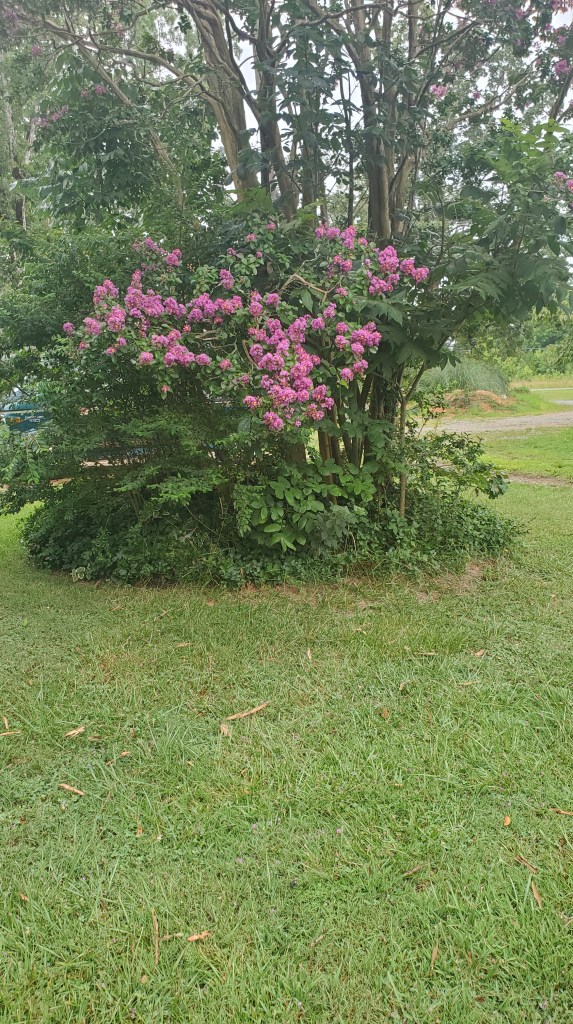
I cannot change the past, but when I saw weeds growing in her garden, I spent the entire morning and early afternoon getting up the roots.
Hayes helped me.


All words and pictures by Rebecca T. Dickinson. Copyright 2020-2021, R.T. Dickinson

 Corrie's Season
1 thought on “Our House, Our Story”