
Don’t wait for your cereal to become soggy in milk.
Did you ever stop to think about what kind of writer, or artist, you are? We’re not speaking in terms of genre.
Not the: “I think I’m an alternate history, YA, and Dystopian writer.”
I MEAN IN TERMS OF: Are you …
- … a working author, who as the dream goes, gets paid for your work?
- … a journalist, who wants to write what you’ve witnessed?
- … a scholar?
- … an artist who works on the weekends, so you can write all week?
- … working two jobs, and when you slow down, you write?
- … a stay-at-home parent, who writes when the kids are at their sports, clubs, or taking a nap?
- … a full-time employee with a family, who writes when everything slows down?
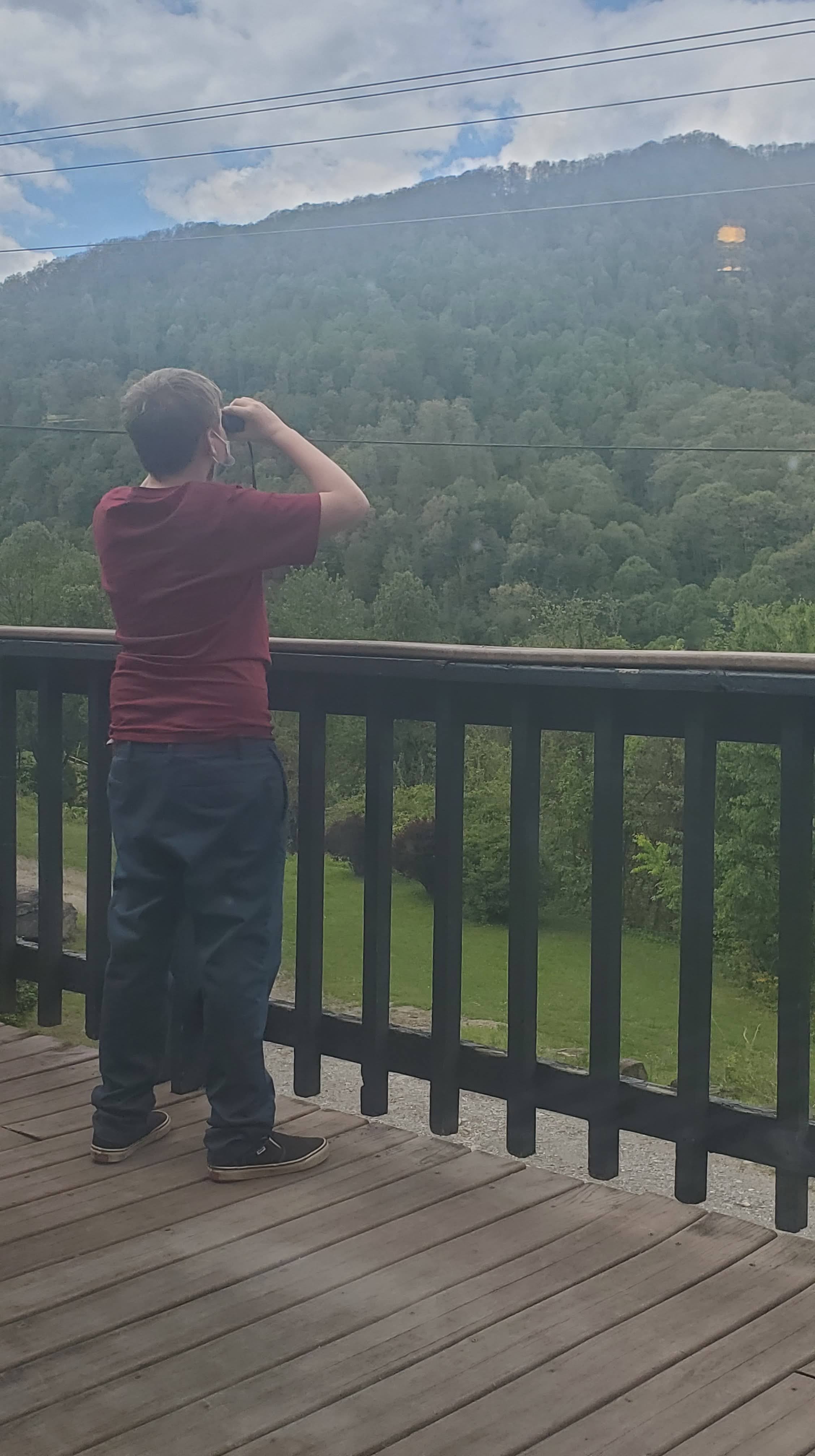
I’ve worked full-time as an educator while raising a son with autism and ADHD and walking in the shoes of an angel mom. I’d fall into the category of the last question.
Of course, most artists despise categories anyways.
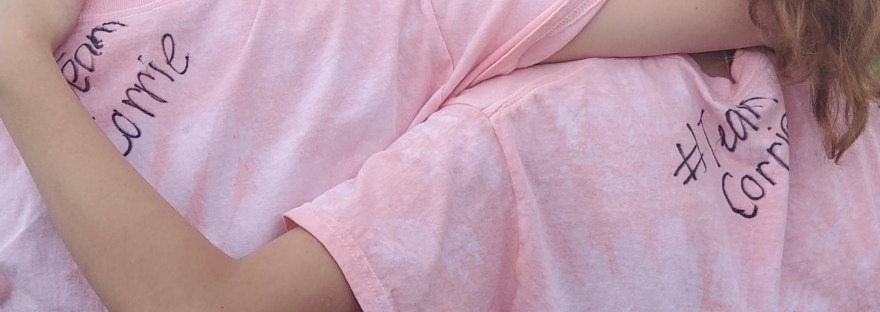
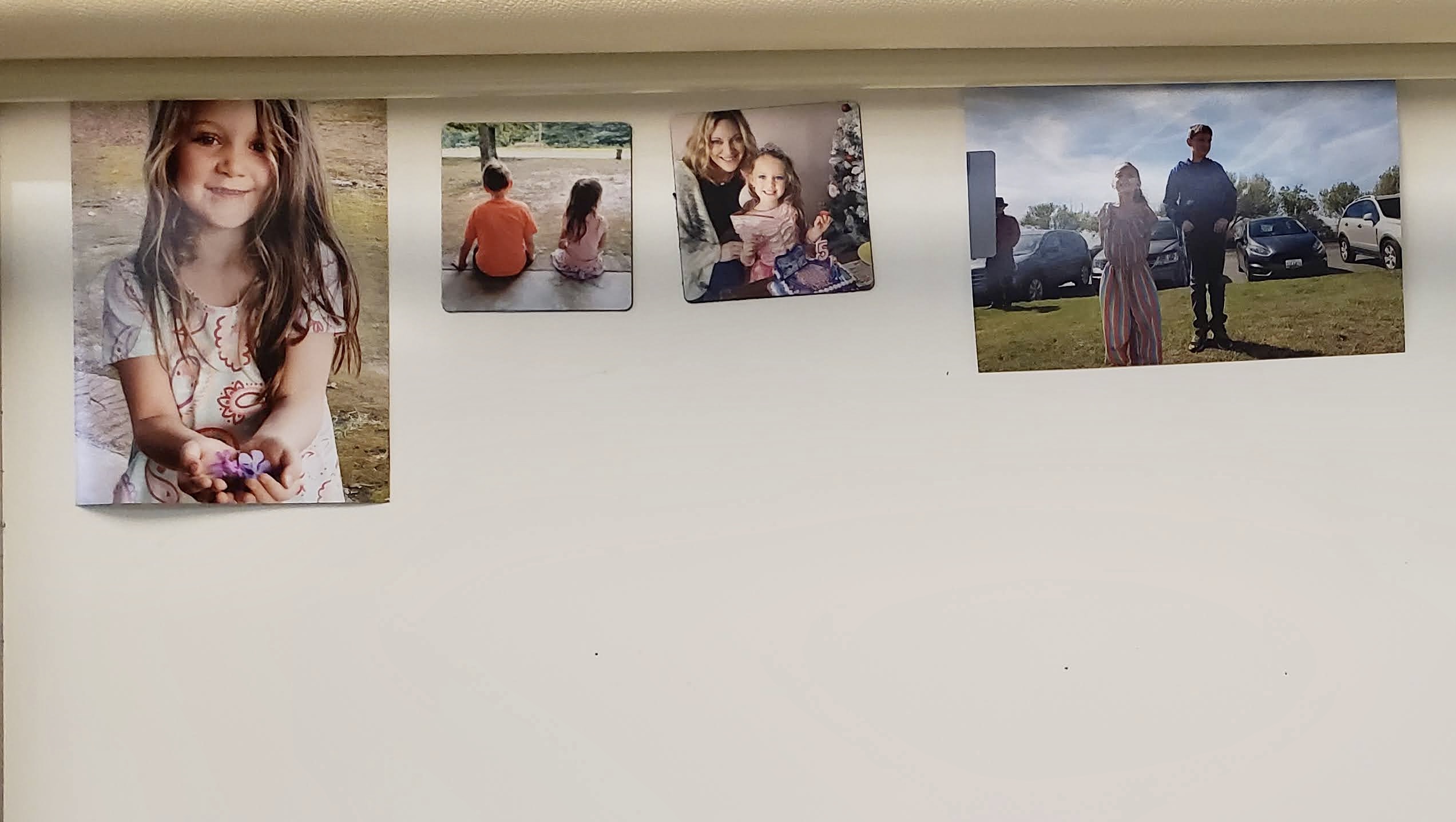
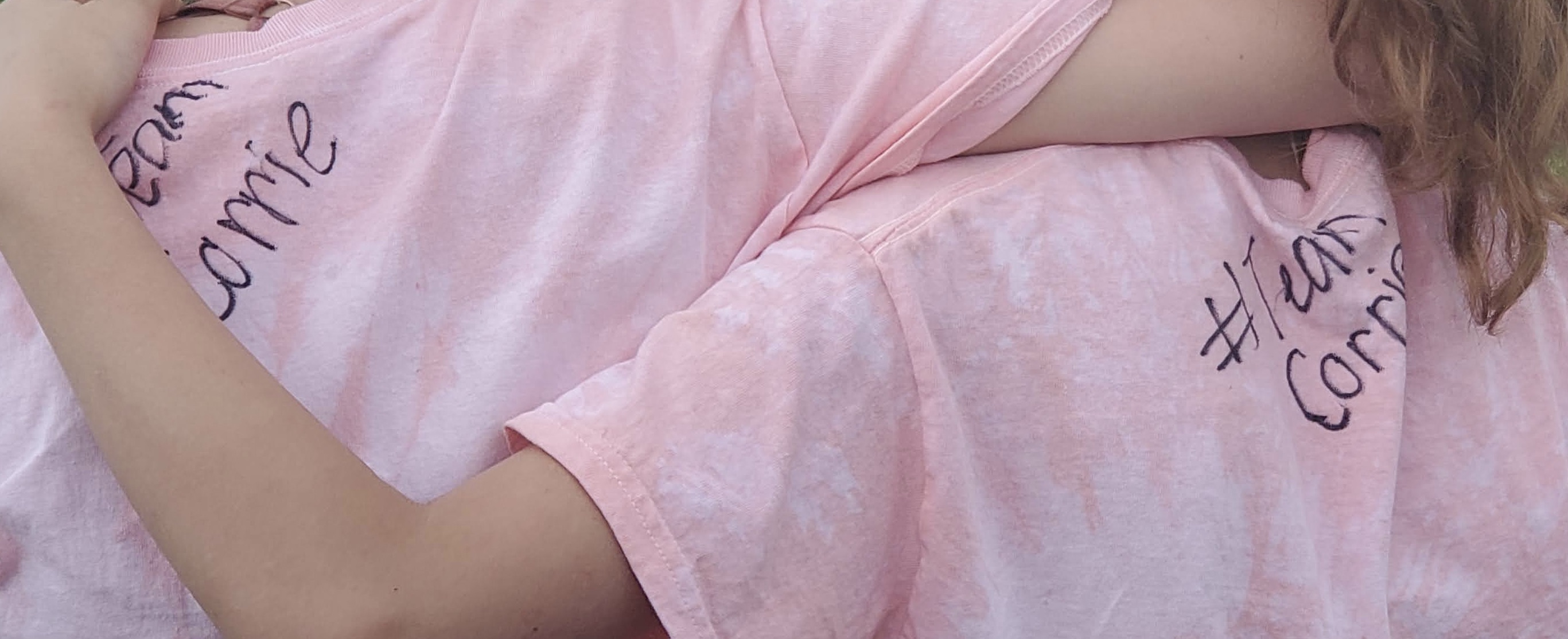
I go through times when I write more poetry, work on my YA novel, or play around with what I want to do with my memoir in the short amount of time I’m given. When I write about Corrie, my daughter who died suddenly from an undetected and unnamed tumor in May 2020, I do think about the lines I write. I contemplate the images my words might bring.
The most important aspect of being an artist, more than likes online, is to set ourselves free.

A lot of times, I’m my biggest critic from how I begin a chapter, episode, or verse. I’ll think, as I did when I wrote as a small newspaper reporter, “That is not immediate. That does not grab the attention.” I’ll take years on a project, or change around to include something else. Since my son, Hayes’, birth in 2010; I started to write more short memoir as nonfiction and poetry. I’ve had some short memoirs published, and I’ve gotten good feedback on the one I’d started writing about Hayes and I before Corrie died about being atypical.
As with any memoir or piece of writing, a good author must figure out:
What do I want to include?
How much is too much, in terms of story?
three QUESTIONS CAME TO MIND throughout THE PAST ELEVEN years:
- What do I want to include?
- What is the central message?
- Is this good enough?

I never sought to publish work immediately. I wanted to write the best work, and only when I was and am ready, would I submit it for publishing, as I am currently doing with the first collection of poetry I’ve completed called: “When We Danced in The Rain.”
I’d struggled with memoir mainly because I had to battle through certain memories I was not ready to write, and because I constantly said: “This is not good enough.”
But an idea came …
Yesterday, I was extremely upset about a situation connected to my son’s feelings after his sister’s loss.
When I began journaling without sections, chapters, or titles; a freedom emerged. Good writing filled the screen.
Not only did I feel better about the situation, but I wrote a single line that gave me confidence:
Am I teaching Hayes to try and try when all that is in the relationship is a small drop of watery ketchup that comes out of the quarter packets?
The line is in relation to the situation, but with that one line, I thought:
“Yes, I can write a memoir about the year 2020 to early 2021, and not just through poetry. I can work and write this story.”
To write about my family’s journey through the past eleven years would be too much for one book because we never were a “normal family.”
So, I started writing the memoir I simply call: Book.
Words and photos by Rebecca T. Dickinson

 Corrie's Season