



Almost everyone who owns a phone is an amateur photographer.
I say almost because one student looked at me at the beginning of the year and said:
“My mom won’t let me have a phone,” the student said. “She gave me an iPod, and she threatened to take that away if I don’t do well.”
the wall
I never considered myself to be a photographer. I fell into photography in the same way I happened to become a newspaper journalist before 2010. I remember being assigned to take a picture of a wall where a small town high school art club planned to paint a mural.
I had to take a picture of the side of the building empty of any painting.
“There’s nothing there,” I said.
“We need a picture of the wall.”
I took fifty or more pictures of the wall. Keep in mind I was accustomed to shooting 100 or more pictures of car wrecks and elections. I received feedback on my photography of the wall from how the shadow fell across it to how much of the wall the viewer could see.
Please don’t make me drive thirty minutes through the woods again to take a picture of this wall, I thought.
After you lose a child, acts, like taking a picture, seem as empty as the idea of photographing a brick wall.
It also depends on how you look at it. We need to fill up the wall. We need to normalize grief just as much as we need to discuss autism and mental illness. We also need to accept that parents’, grandparents’, and siblings’ grief will look different based on their needs and family.
1. CHOICE
The morning after my daughter, Corrie, died six months ago yesterday, I walked around my yard with the puppies wailing like a woman from the play Trojan Women. I was the entire chorus plus some. On the long summer days, I lost track of time. Some days, I ate, and some I did not. I looked out of the window, and wondered about my purpose. I feared letting people get too close, and I was scared of the time that occurs after a period of grief when people begin to distance themselves.

I did not want to medicate, but to feel every part of the loss because I blamed–and still blame–myself for her death. This is still mine with which to deal.
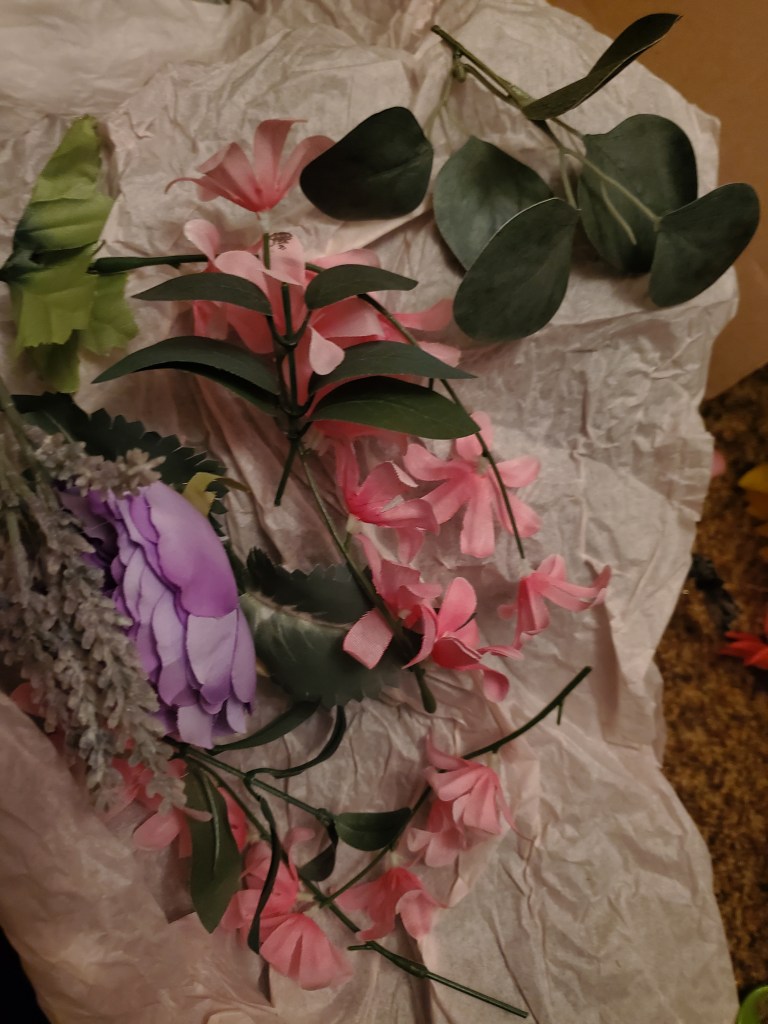

But, I reached a stage after the school year started where I could make a choice. I could take medication to help me, and take action to express all of the love I feel for Corrie. I can pour energy into positive activities, and show the depth of that love through what I …
2. Create
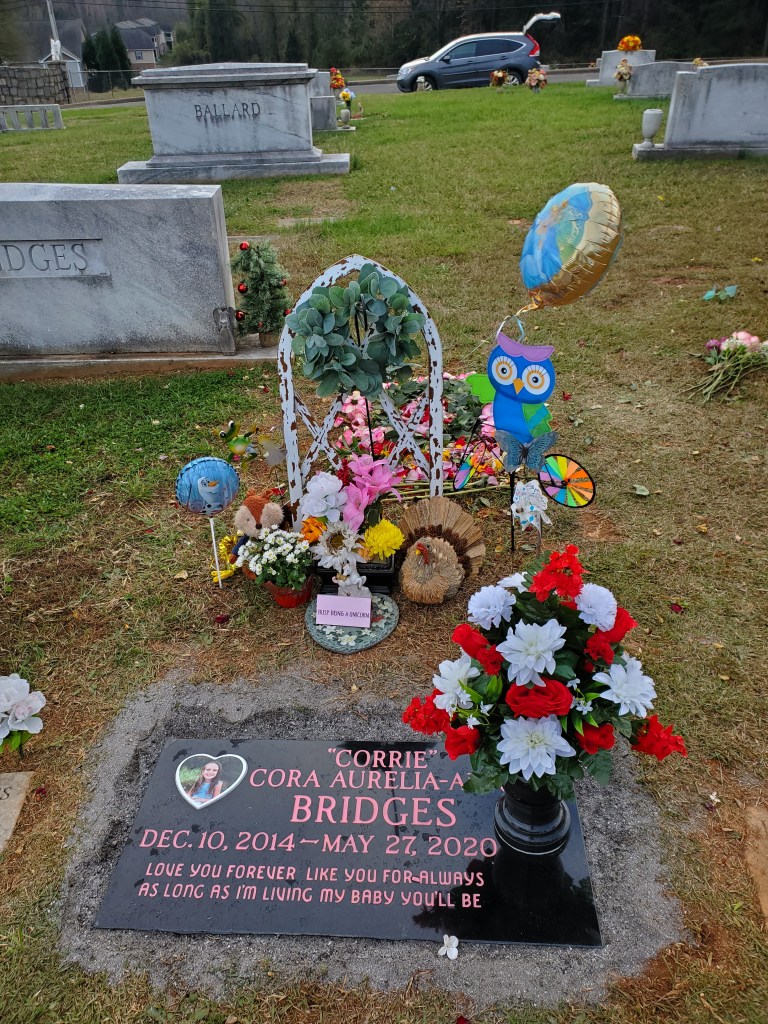
I joked how my grandmother said seriously, “I don’t see the turkey,” in the rose art I did at Corrie’s grave for Thanksgiving.

I shrugged my shoulders and said, “I think it’s beautiful, and Corrie would, too.”
Because I never claimed to be a photographer or artist.
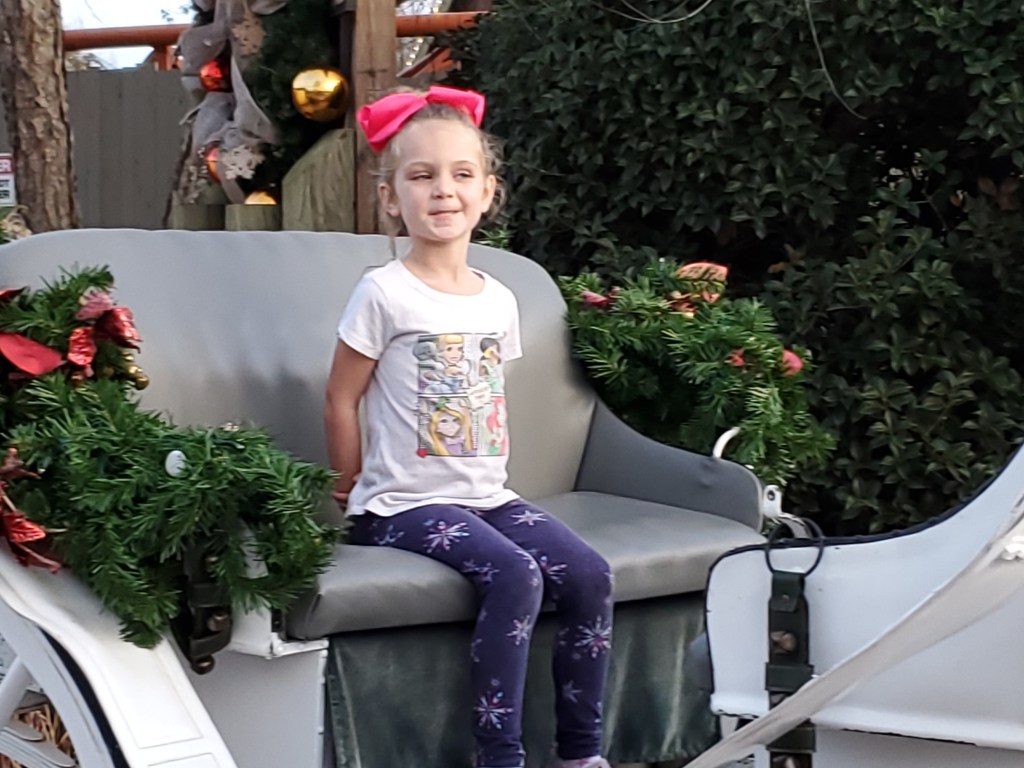
But I create with the acceptance that not everyone will understand or even like what I do. I know there will be the questions:
Why does she post so many pictures of the cemetery?
Has she turned morbid?
Is she really okay?
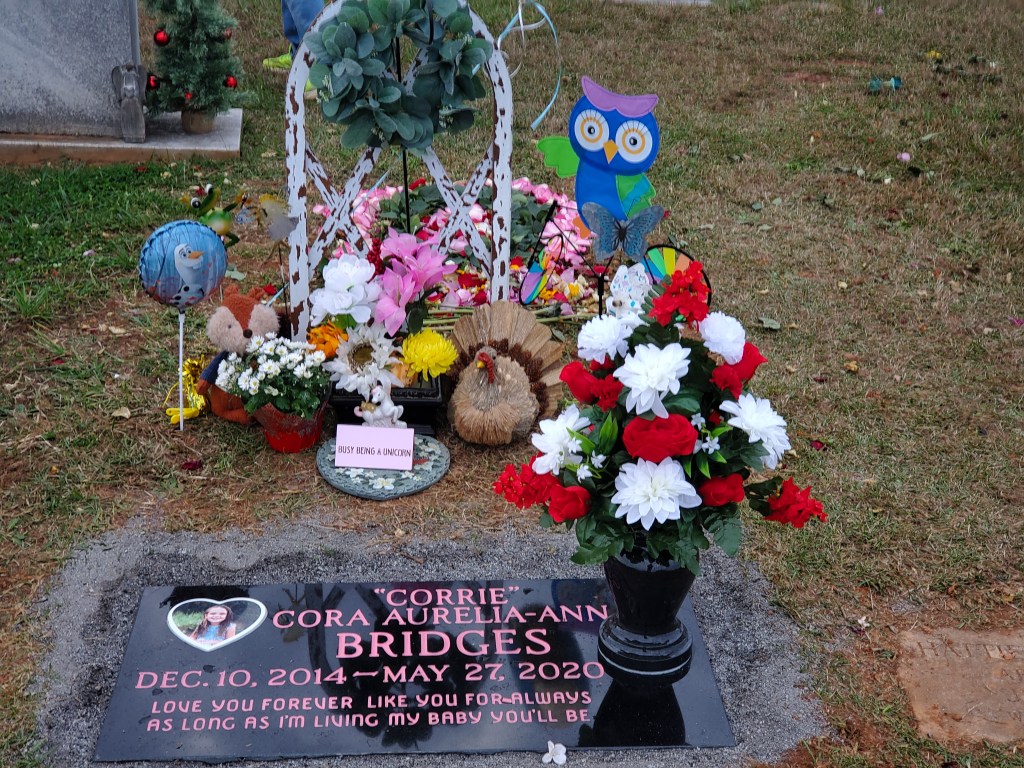
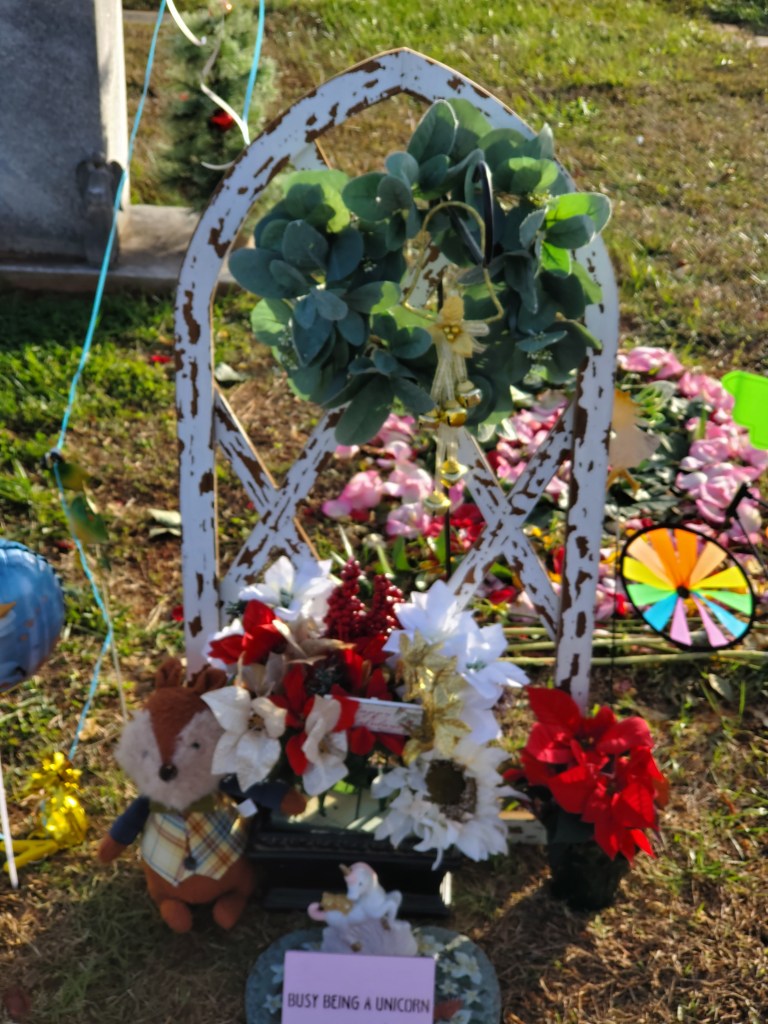
You accept not everyone will want to see what you create or write. Sometimes my husband is included in this. He has expressed his concerns and worries, but this our different journey through the loss of our daughter.
Author Alan Wolfelt writes in the helpful book, Healing a Parent’s Grieving Heart: 100 Practical Ideas after Your Child Dies: “Mourning is the outward expression of grief …
“Mourning is … journaling, artwork, talking to others about death, telling the story, speaking the unspeakable.”
alan wolfelt
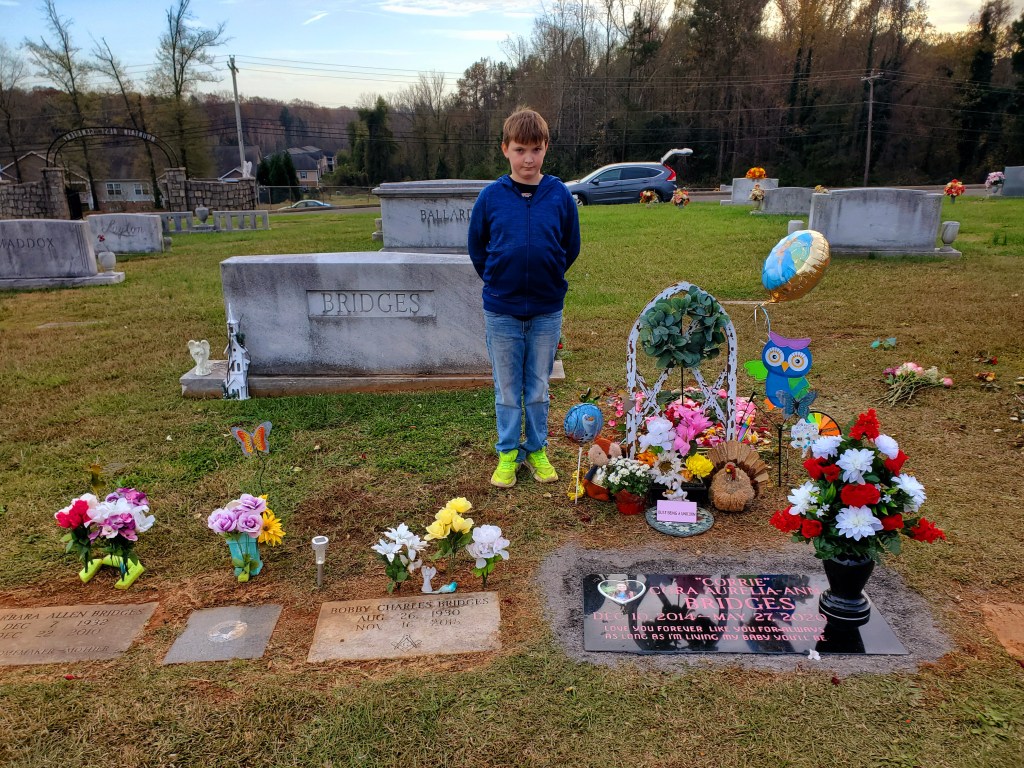
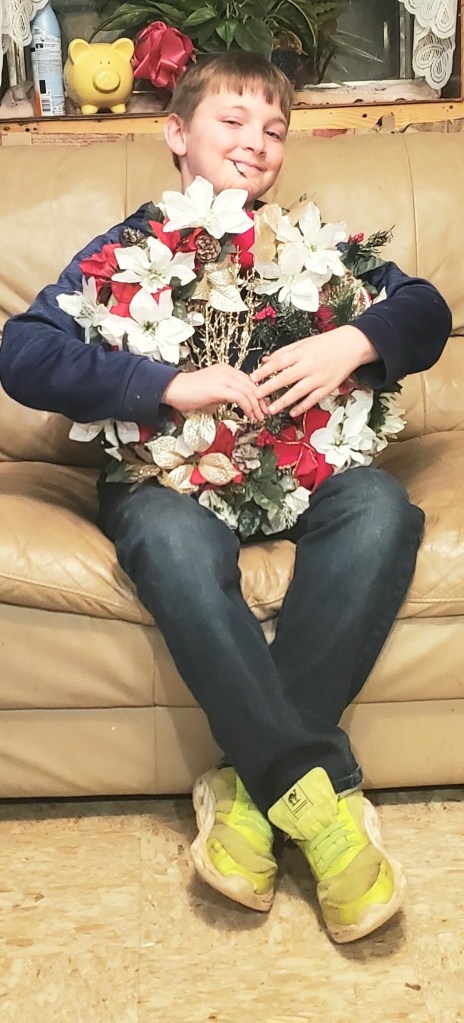
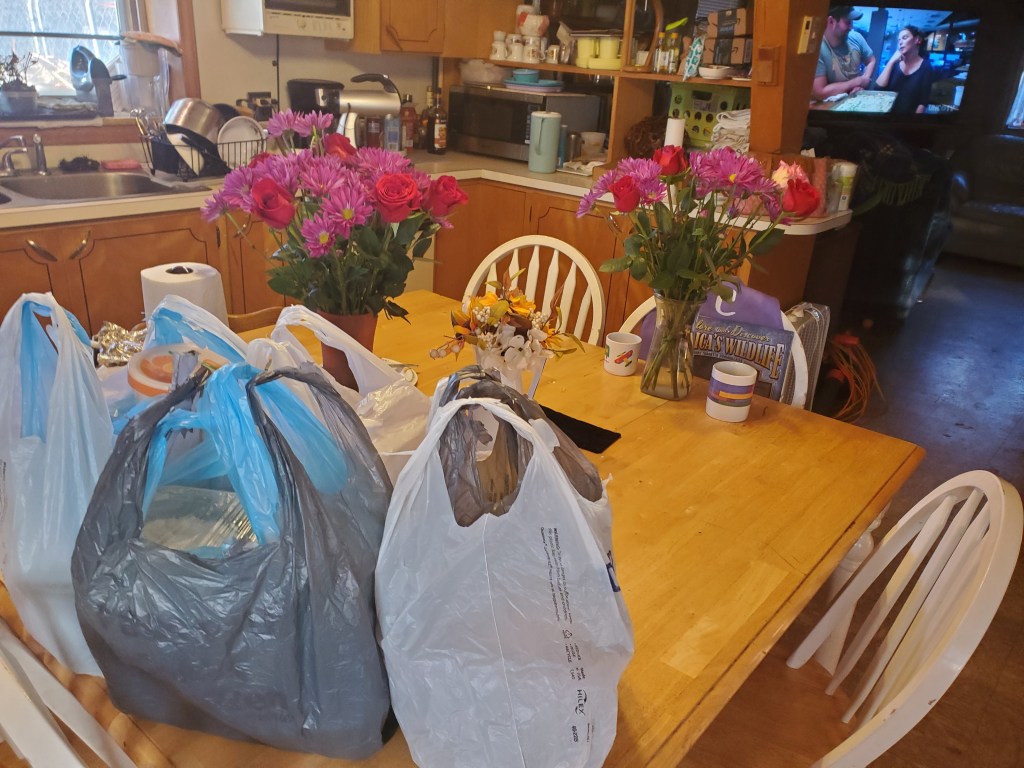
From writing to Corrie’s Memorial Garden to decorating graves of Corrie’s and other children’s to cooking for my family to crafting wreaths, the ability to create allows me to implement the love I will always have for my daughter in practical ways.
Just like we, as a society, are working to evolve in how we view people who are atypical or deal with mental illness, we also need to change in how we approach those who mourn and grieve.
3. Change
Think about the quote:
” … speaking the unspeakable.”
Or
“We push away what we can never understand.
We push away the unimaginable.” ~ “It’s Quiet Uptown” from Hamilton
Or
“But I knew I needed to know this moment forever, the same way I needed to remember our tears of joy after Luna and Miles.” ~ Chrissy Teigen, wife of John Legend
“Losing a child means carrying an almost unbearable grief, experienced by many but talked about by few.”
Meghan markle
Or, finally
“[When I lost the twin], everyone said ‘at least you still have the other one.’ I tried to let it go, but they didn’t understand my heartbreak.” ~ My mother on her miscarriage.
With exception of the first and the last, the quotes above are all from pop culture moments or well-known people who sing or speak publicly of miscarriage and loss.
Just as I have and will change in my journey through grief over Corrie, our society must evolve in the way we view people who mourn and grieve. I have cousins mourning the loss of a mother, and an uncle mourning the loss of a wife. I know parents still grieving the loss of a child, no matter what age, who feel so isolated and alone.

Just as I’ve dealt with other parents questioning me as a mother of a child with autism and ADHD when my son was younger, I accept I will deal with questions as I share in the journey of thousands of grieving parents around the world.
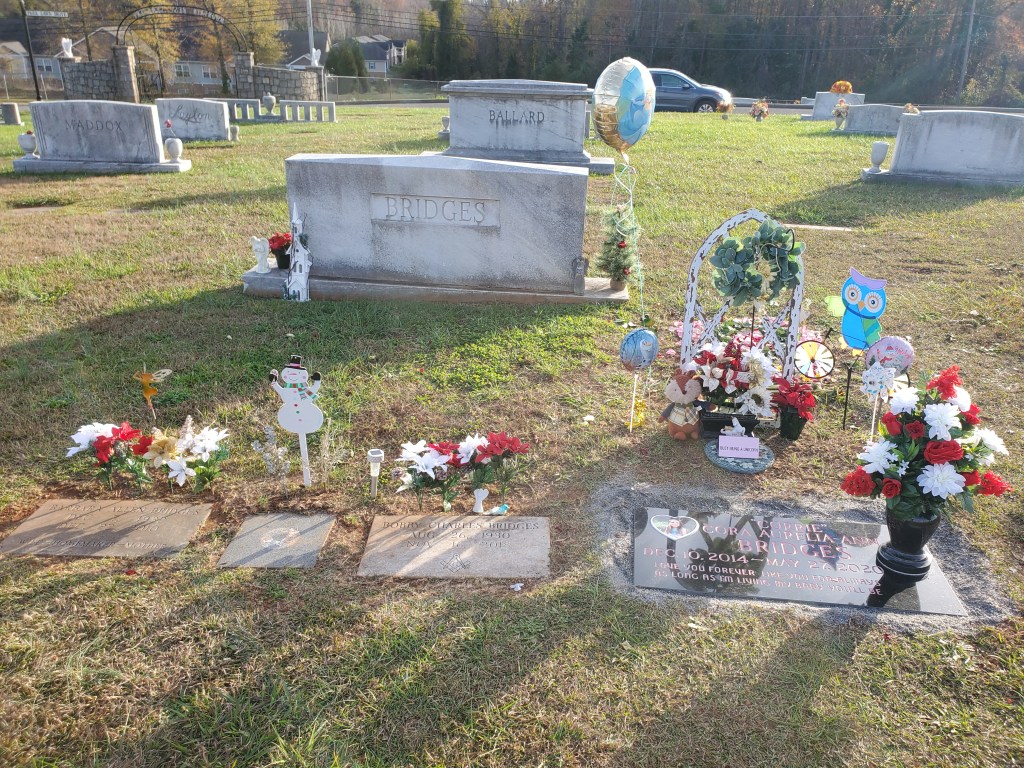
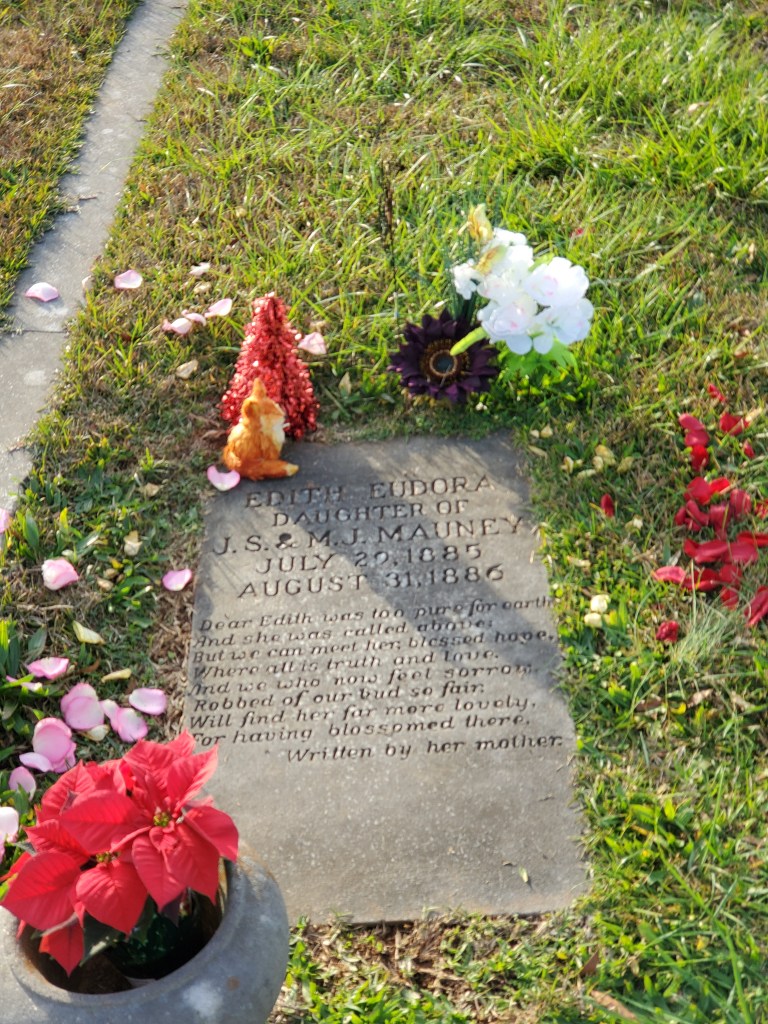
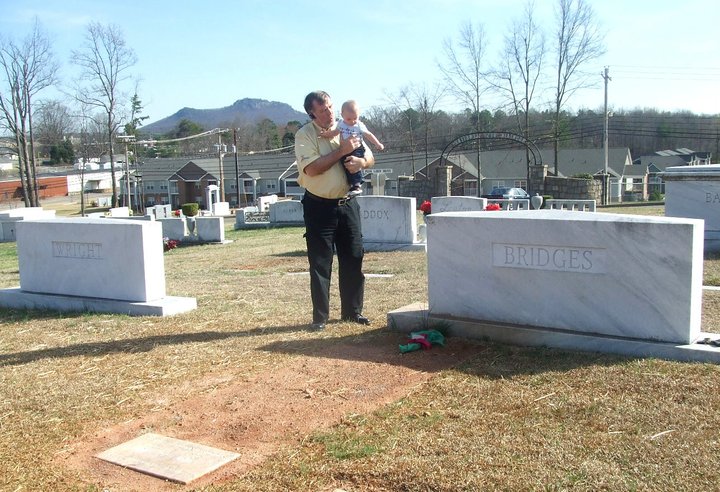
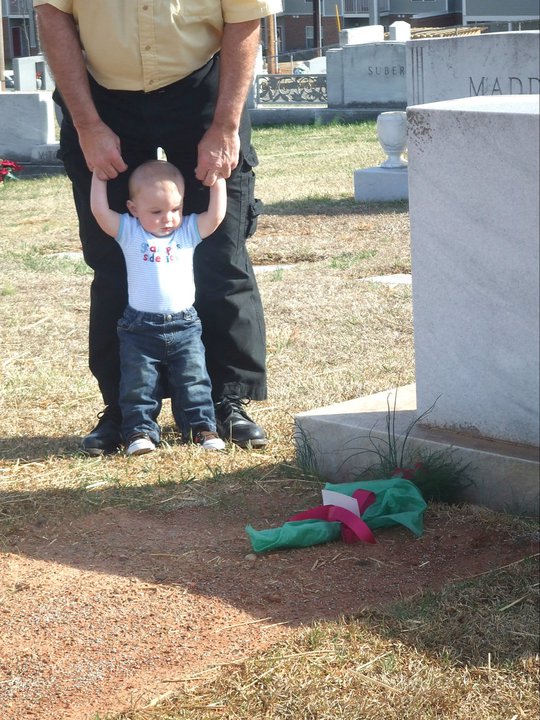
For example, I often share photos on my social media of the cemetery. I share photos of my daughter’s and in-laws’ graves as I decorate and clean them. I also share pictures of the previously undecorated graves of other children both historically and present.
Why does she post so many pictures of the cemetery?
Friends on social media share the happy pictures of their children all of the time. Now, I can either drink two bottles of wine and feel the full weight of envy, or I can celebrate the life of my daughter by making somber places beautiful. I can make them look like the joy and happiness Corrie brought to my life.
me
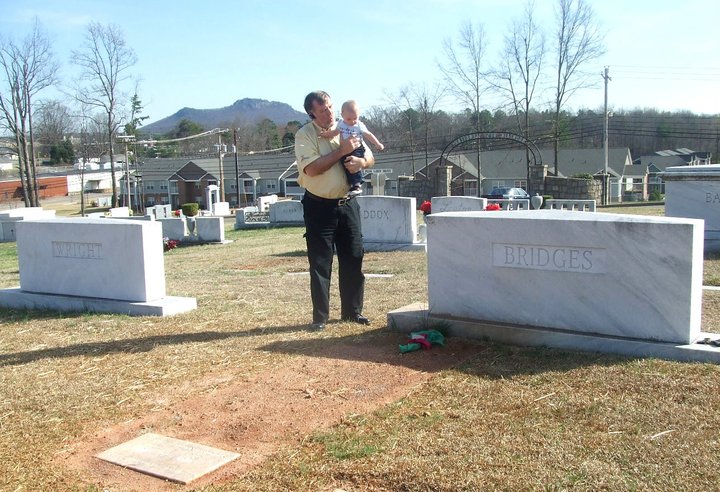
Has she turned morbid?
I don’t know. I guess that is for someone else to judge, and I learned from a therapist years ago that I have no control over the judgements of others.

Is she really okay?
Yes, I am because I made a choice to create and take action.
Yes, because I choose to craft and create.
And, yes, because we all will change throughout our lives.


By Rebecca T. Dickinson

 Corrie's Season