
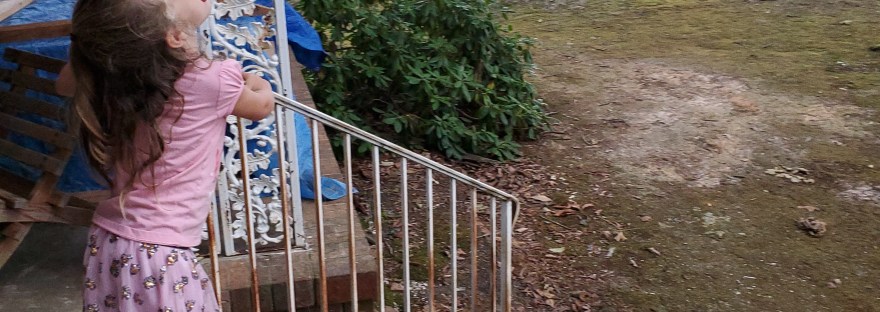
This post is the first of a six part series about Goodbye
Sometimes one goodbye is never enough.
Goodbye provokes a language; almost like the oral version of beautiful Ancient Chinese calligraphy. It illustrates itself in the colors and shapes of a butterfly’s wings. Goodbye, as I wrote about time, means many different words we’re sometimes unable to express.
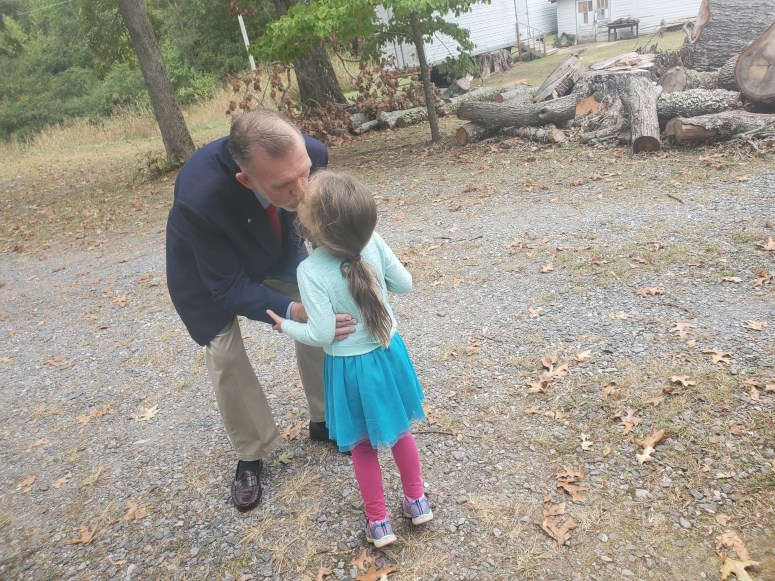
Where I’m from, many people perfect the art of goodbye. While some know how to say it, others create a different way to express what they mean with goodbye much better than me.
Whether happy or sad, we don’t always know what to say in response to a given event. Even though I write different genres, I’m not always gifted with the words to say in person.
At times, I lack a social GPS because it takes me longer to interpret subtle human communications.
During the last five to six years, I began to pull away from adults often compartmentalizing parts of my life because I could not always predict if something I said or did, or raising a child with autism, set another person off. My goodbye to other adults came in the form of a simple “goodbye” and a wall because I didn’t know what else to say or do.
Goodbye should not work like an awkward “bye” without meaning behind it.
But there are many people I know who can convey their real meaning with just one word.
For example, goodbye may mean “great game” at the end of a scrimmage or competition.
Sometimes goodbye is barely audible as you sit by an aging parent, grandparent, uncle, aunt or other loved one’s hospital bedside. In those words, you mean:
“I love you so much.”
“Thank you for all you ever did for me as a child.”
“I wish we could take one more trip.”
“I wish we had more time.”

Goodbye has the power to break our hearts, or lift us to a cloud in the highest of human emotions.
For a teen or college kid, “goodbye” at the end of that first date means: “I can’t wait to see you again.”
For a younger kid, “goodbye” at the end of the waterpark playdate could mean: “I can’t wait to go with Aunt Mary again because she let me have two slushies and a pizza.”

Think of it like when you go to a bar. You’ve ordered a certain drink, and usually you pay attention to what the bartender mixes in your drink. It’s dark and you’re in an intriguing conversation with your friend. The bartender uses a drink shaker, and you never did see what he or she specifically used. The types of goodbyes that enter our are path are like that because we don’t always know what kind of goodbye we’re going to say or receive.
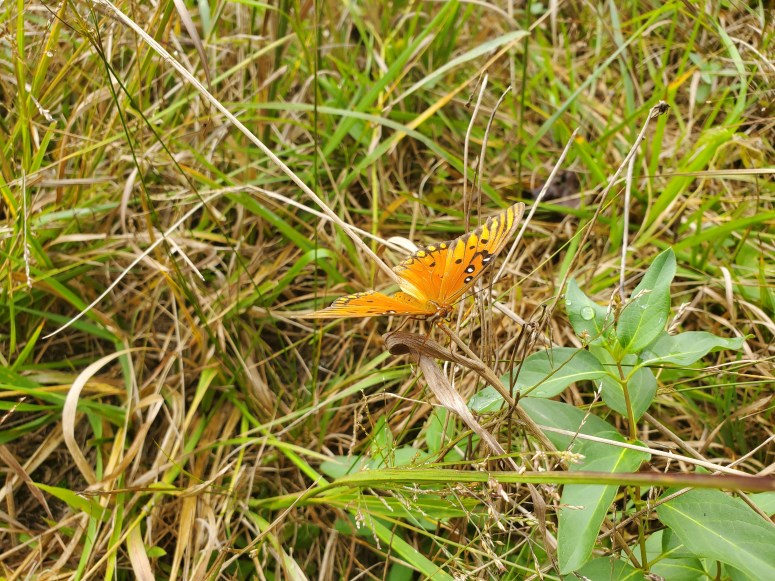
When we say goodbye to a person or place, we say more than we ever realize. We compose a thousand thoughts in our minds, and wonder how to say:
“I want to tell you how I really feel about you, but I don’t want to scare you.”
“Remember the time we went to the beach, and you stepped on the dead jellyfish. You jumped up and down screaming. You thought it had stung you, but you were fine … except for the jellyfish junk on your foot.”
This never happened to me.
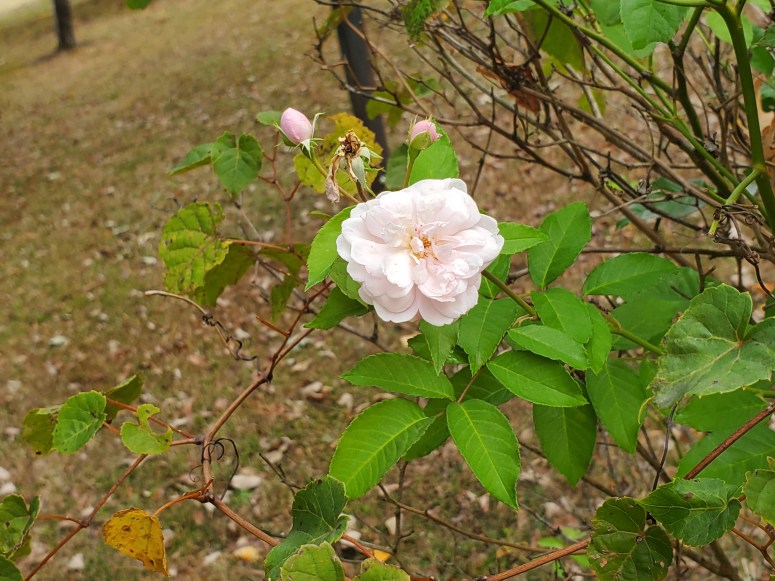
Goodbye means a million different words or phrases when we put the emotion with it.
With Corrie’s last unexpected goodbye, I know she meant:
“Mommy, all your walls will fall down. You will have to talk to people for years to come for my brother. Please remember my brother, Mommy.”
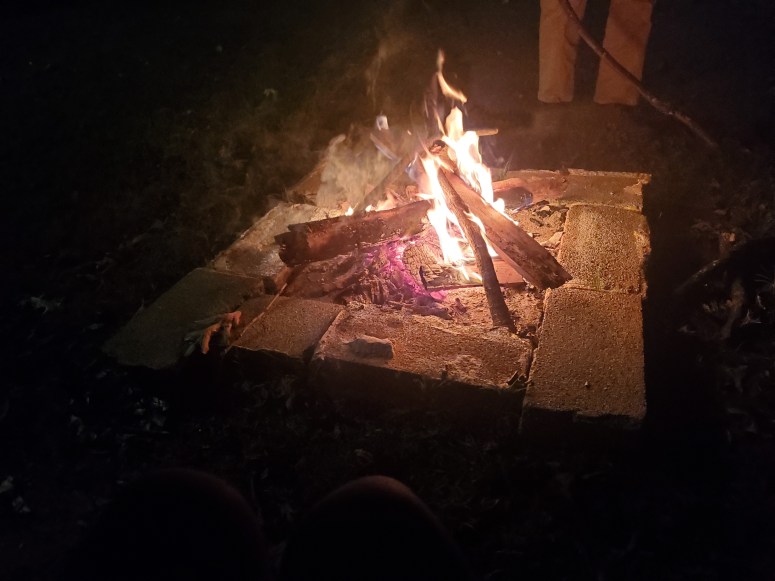
Photos and Words by Rebecca T. Dickinson

 Corrie's Season
4 thoughts on “When we Say Goodbye”