

Great stories take us to a place we’ve never been.
Maybe it’s a place we dream of going, but for whatever reason, we’re unable.
The Emotion
It’s like this. Remember being a kid. If you went on a trip, imagine the excitement just before, and the classic question: “When are we leaving?”
Multiply that question by 100 until you get to the car. Then you repeat the question: “How much longer?”
You drive your parents, grandparents or Uncle Bob crazy, but you feel the depth of that excitement. A good story makes us feel that way. It reaches down inside to twist our gut.
The Memoir Author
When I started writing memoir or short memoirs in 2011, I was still mostly a short fiction author. My first published creative story was a background to my then novel. But I had a small-town journalist background. I’d learned to investigate, design, dig up uncomfortable truths and also write editorials.
I actually disliked putting my opinion out there. It felt uncomfortable as if I did not have enough experience yet, so I always had my old friend statistics to back me up just as I did in a regular article.
When I teach my students to write persuasive, argumentative, creatively or poetry; the teaching comes from a real place besides a book. In fact, while still working as a journalist, a principal in another state asked me if I would change careers because he wanted me to teach his students how to write. The art and Science of writing comes from my experience as a young reporter who was figuring out life.
Memoir writing worked that way, too. I was a young mother figuring out life after the acceptance of my family and the rejection of my husband’s family when I wrote a story called: We Never Said Hello.
The Significance
We Never Said Hello was the first short memoir I’d written in my entire life. I wrote in the space of ten minutes. The essay was published in paniK just as it was written. I’ve told my students and children: “This is extremely rare.”
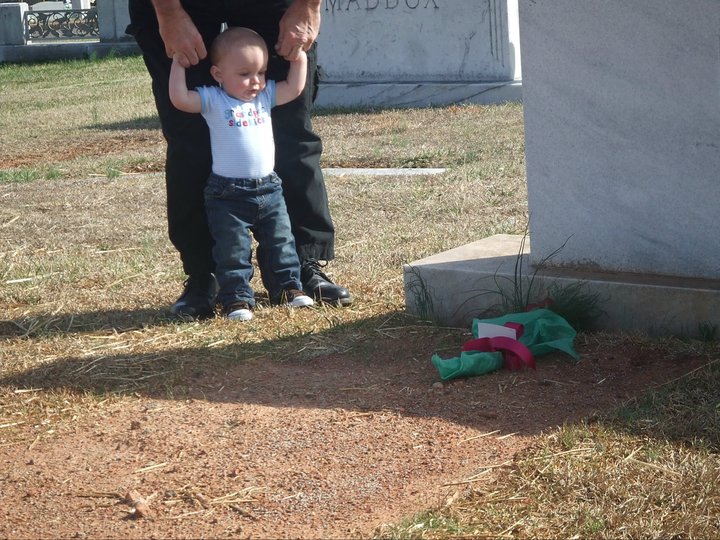
We Never Said Hello led me on a path to stretch my writing skills and discover I was decent at writing creative essay and memoir. The story happened when we took Hayes to meet his grandfather for the first time at eight-months-old. Hayes, John and I were and continued to be rejected by segments of his family for ten years. I took a picture of Hayes next to his grandmother’s grave.
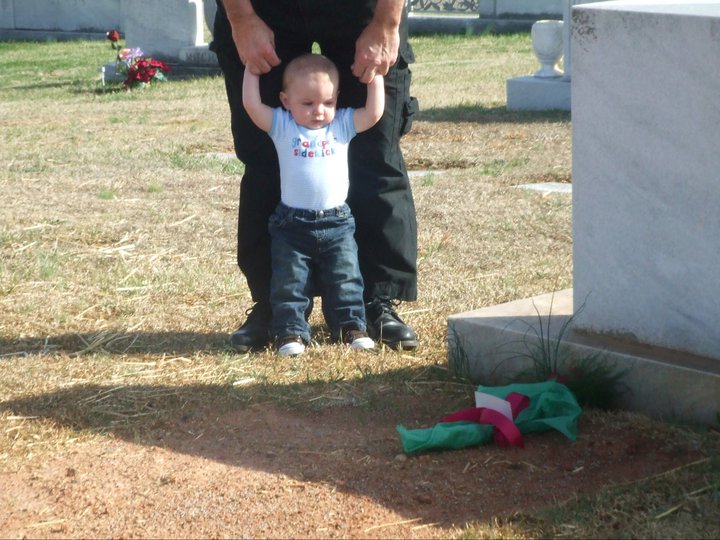
At the time, I didn’t realize how important the story, the child and the location where he sat would become.
Just a few months later, another publisher was also interested in the story. Impact changed the title to Grass from the Grave based on a description where I described Hayes picking grass next to his grandmother’s grave. This is the title I normally use now.
The location of the grave is near where we buried Corrie’s body.
Why are my children so often at the heart of my writing?
I guess the real question is: why wouldn’t my children be at the heart of my writing? Together, Hayes and Corrie were a force of nature with two similar yet different personalities that had a spark to catch everyone’s attention.
Before Corrie’s death, I thought a lot about Hayes, and how far we’ve come in ten years. He turned ten on June 15. Hayes ended up in three of my published works, and the inspiration for one other character Elliot McSwean about which three more stories were also published.
Corrie used to ask me: “Do you write about me?”
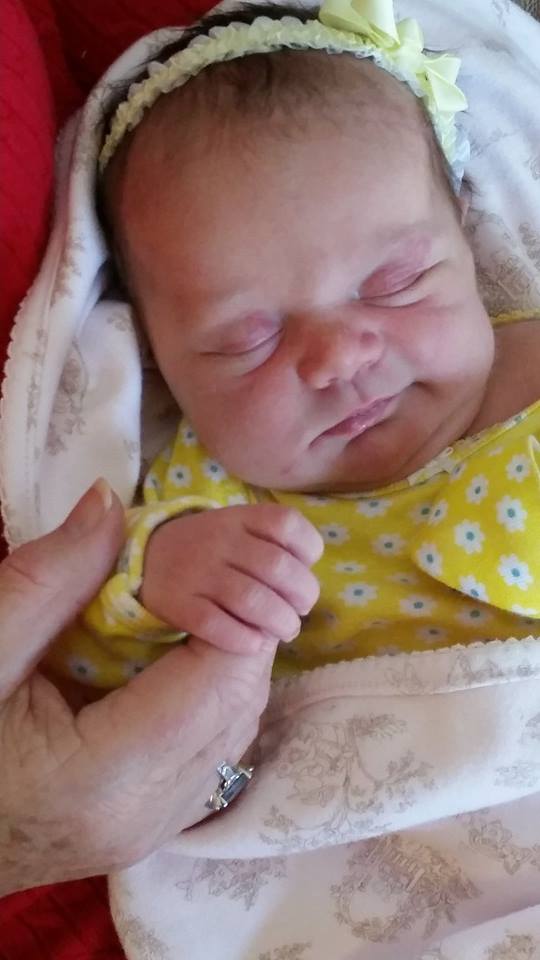
I wrote a lot about Corrie before she died. I explained to her I had more stories about Hayes published because they were written when I had more time to polish and search for appropriate magazines, books and online publishers.
When I watched my children play, argue or discuss together; I was easily entertained. Corrie was so intelligent in the traditional, easy-to-scope school way. Yet, she also made observations about people you wouldn’t expect children to make. She was doing this as young as three-years-old. Before Thanksgiving 2019, she was so focused on coloring in the feathers for her turkey just right. She said her preschool teacher “wanted her best work.”
I thought: That sounds like me with my eighth graders.

Corrie took time on that turkey the way you’d want an eighth grader to sit down and write part of their essay at home without any plagiarism.
As life was with Corrie, Hayes provided, and still does, just as much entertainment. He has a way of making you stop and think about how we examine different parts of life.
He asked me yesterday:
“What does ‘disrespect the game’ mean?”
“It is when players in sports don’t follow the rules,” I said.
“It’s like you wouldn’t play hockey on the beach,” he replied.
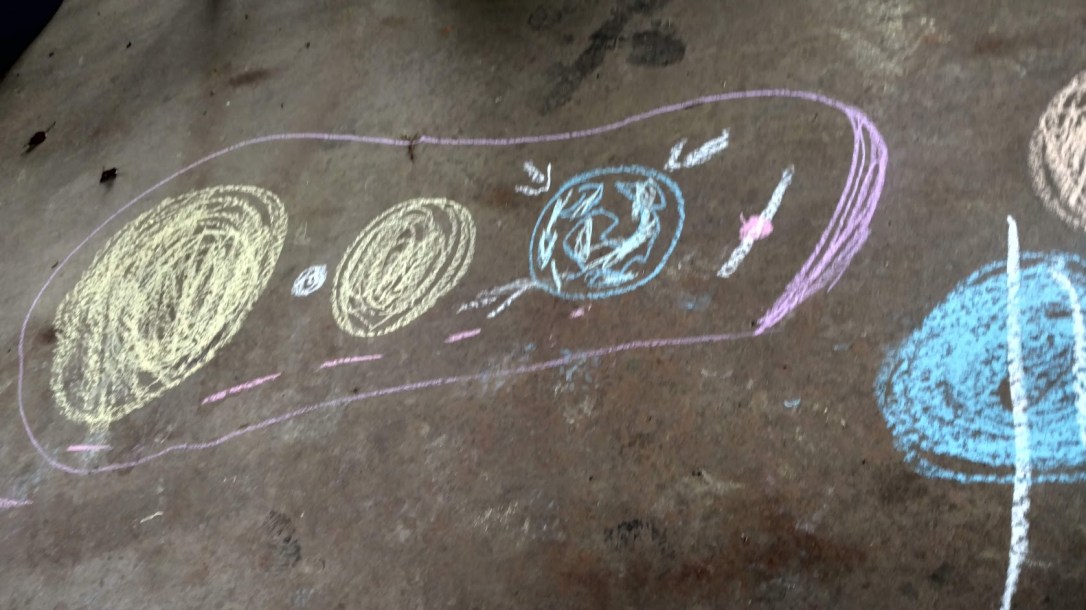
I had to stop. That is not what I meant, but he was not incorrect either.
Corrie’s Season
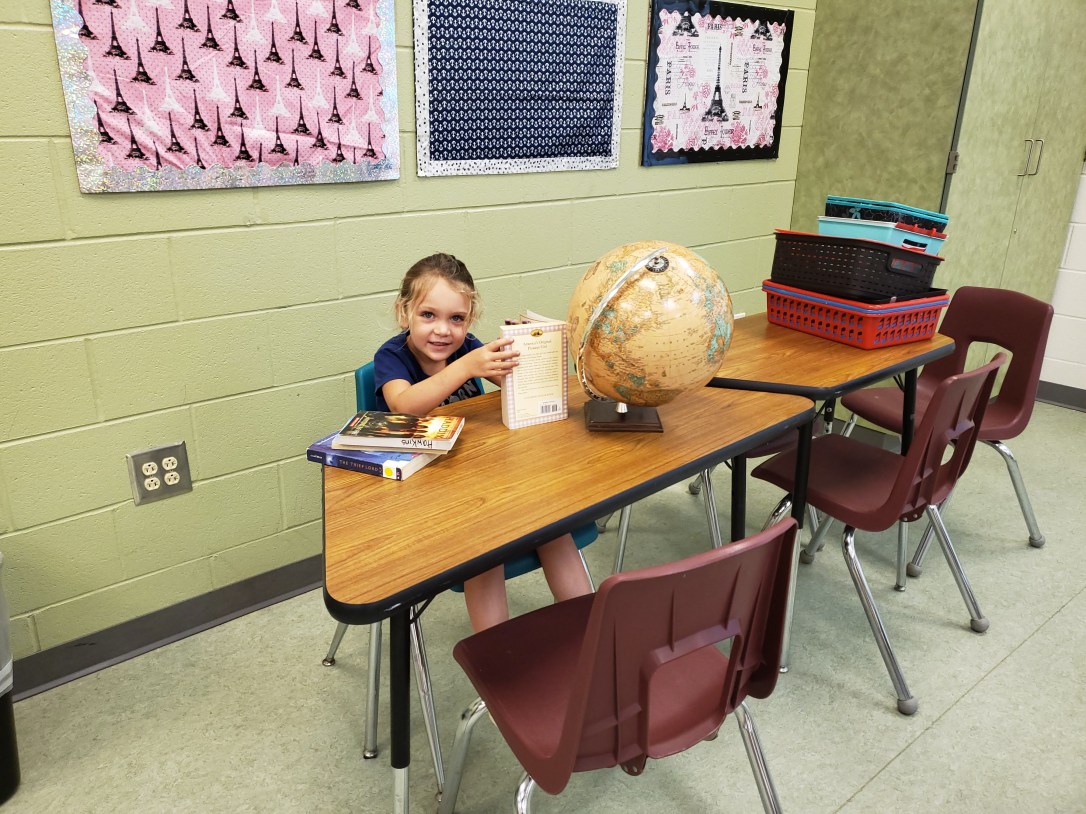
The stories, poems and commentary I write about my family is about our journey together in overcoming serious hurdles that most people would not wish to experience. Corrie’s Season is about Hayes and Corrie. It’s about how he changed her, and she changed him.
Good writing can take us to places we do not want to go. But we need to.
Corrie was writing before she went away.
As I told a friend, I want to write about Corrie not in a way where I’m bleeding in a notebook. I want to write about her in a way that reflects the full complexity and beauty of my child.

 Corrie's Season